
 By admin@handinhandadventures.com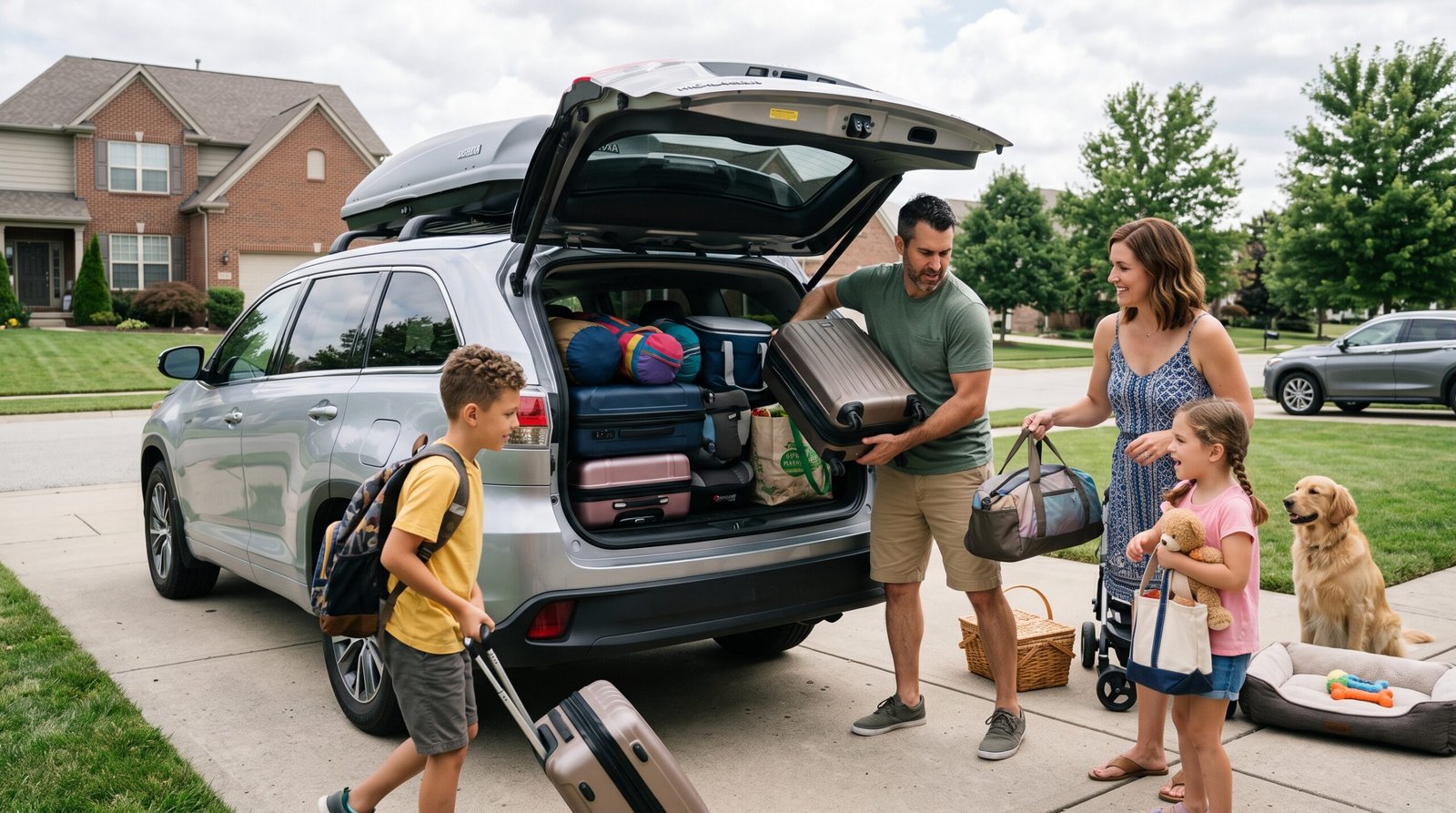
The trunk was half full before we’d even left the driveway. Two kids, a diaper bag, hiking boots, snacks for every possible mood, and somehow still not enough room.
Every family who travels with young kids knows this scene. Packing for a trip stops being about what you want to bring and becomes about what actually fits.
The Gear That Earns Its Spot
Our family learned something simple over a few years of trial and error. Bulky gear gets left behind eventually, no matter how useful it seemed in the store.
Space in a car or a stroller basket is limited. Only the genuinely useful stuff survives more than one trip.
Strollers were the first thing we rethought. Our first one was sturdy, but it took up half the trunk on its own, and loading it at every rest stop got old fast.
We eventually switched to something built specifically around folding down small. What sold us was watching another parent collapse hers with one hand while holding a toddler, an entire process that took about two seconds thanks to the YOYO’s compact fold.
That kind of design detail sounds minor until you’re the one juggling a car seat, a diaper bag, and a cranky kid at the same time. Small conveniences add up fast when you’re travelling with young children.
Storage space became another surprise benefit once we made the switch. A stroller that folds down small enough to fit behind a car seat frees up room for everything else that inevitably comes along on a family trip.
Rental cars made this even more obvious. Compact cars are common at airport counters, and a stroller that eats up the entire trunk turns a simple pickup into a stressful puzzle every single time.
Beyond the Stroller: Gear for Actual Outdoor Time
Strollers solve the getting-around problem, but they don’t solve everything. Families that travel love hiking, camping, and spending real time outdoors, not just moving between hotel rooms and restaurants.
That’s where a second category of gear matters just as much. Coats, boots, and packs that hold up outside the city change what kind of trips a family can actually take.
We didn’t think much about this category until a trip that went sideways fast because of it. Underestimating outdoor conditions with young kids in tow taught us a lesson we haven’t forgotten since.
We learned this the hard way on a camping trip where sneakers and a light jacket weren’t nearly enough. Gear ready for the trail made the difference the following season. We finally invested in proper outdoor layers for the whole family.
Waterproofing turned out to matter more than we expected. A single rainy afternoon can turn a fun hike into a miserable one if nobody’s boots or jackets can handle it.
Sizing was another lesson learned. Kids grow fast, and gear that fits perfectly in spring can be too small by fall, so buying slightly ahead of size became part of our routine.
Durability mattered too, maybe more for kids’ gear than adult gear. Scrambling over rocks, crawling through mud, and general kid chaos puts outdoor clothing through more abuse in a single weekend than most adult gear sees in a year.
Layering became a habit once we understood how much mountain weather can shift in a single afternoon. A warm base layer under a waterproof shell handles far more temperature swings than one heavy jacket ever could.
Footwear deserved more attention than we originally gave it too. Kids’ hiking boots with real ankle support prevented more stumbles on rocky trails than we expected going in.
What Changes Once the Gear Fits the Trip
Once we sorted out both the stroller situation and the outdoor gear situation, trips genuinely got easier. Not perfect, kids are still kids, but noticeably smoother.
Mornings that used to involve wrestling a huge stroller into the trunk now take a few minutes. That extra time and patience carries over into the rest of the day in ways we didn’t expect.
Outdoor time stopped feeling like a gamble too. Knowing everyone had the right layers meant we said yes to more spontaneous hikes and beach walks instead of staying close to the car out of caution.
Kids notice this shift as much as parents do. Fewer meltdowns over cold hands or wet socks meant more actual fun on the trips we’d planned for months.
A Few Things We’d Tell Other Families
Test gear at home before a big trip, not during it. A stroller that seems fine in the store can reveal annoying quirks the first time you’re actually using it on uneven ground.
Buy for the trip you’re actually taking, not the trip you imagine taking. A family doing mostly city travel needs different gear than a family planning regular camping trips.
Involve older kids in gear choices when possible. Letting them pick a jacket color or a backpack style makes them more likely to actually wear it without a fight.
Keep a simple checklist by the front door for the last few items packed at the very end. Chargers, snacks, and comfort items always seem to get forgotten otherwise.
Don’t underestimate how much a five-minute packing routine improves a trip. Gear that’s easy to fold, store, and access removes friction before the trip even starts.
The Bottom Line for Traveling Families
Family travel gear isn’t about buying the most expensive version of everything. It’s about choosing pieces that solve real, repeated problems on the specific kinds of trips your family actually takes.
A stroller that folds down small and outdoor layers that hold up to real weather solved two of our biggest recurring headaches. Once those pieces were sorted, the trips finally got the attention they deserved.
That’s really the takeaway worth remembering. The right gear doesn’t make the trip. It just gets out of the way so the trip can actually happen, leaving room for the parts that were always the point in the first place.