
 By admin@handinhandadventures.com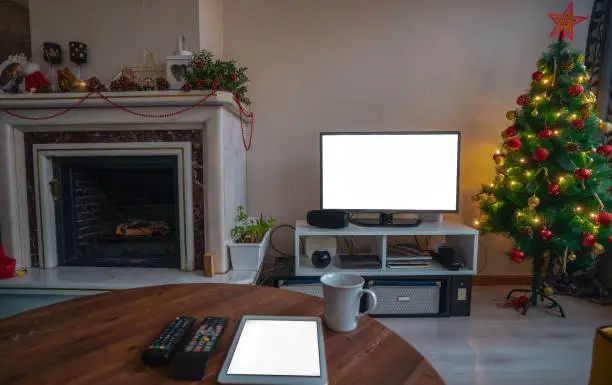
Electronics are the one category where the packing really happens weeks before the truck. Not the wrapping, the record keeping. A backup you can actually restore from, and a photograph of the back of your desk. The physical part takes an afternoon. The rest takes longer than people expect.
City apartments make it harder. Original cartons get tossed the week you buy something because there is nowhere to keep them, prewar outlets are sometimes two prong, and the office is a corner of the bedroom. This is the plan I use for screens and everything else that needs to boot up again on the other end.
Start with the data, not the boxes
Two weeks out, run a full backup and then verify it by restoring a single folder somewhere else. An external drive that lives in the same apartment as the computer is not really a backup during a move, since both ride the same truck. Put a second copy in the cloud.
Make sure you can reach your account passwords without the browser that normally fills them in, because a fresh router and a new network can lock you out of the very tools you need on day one. Cancel or transfer your internet service with at least two weeks of notice. Installation windows in this city book out fast.
Photograph every cable before you pull it
Get behind the desk with your phone and shoot the back of the monitor and the back of the tower before anything comes loose. Then label each cable with a strip of masking tape and a number that matches the photo. Reassembly becomes twenty minutes instead of a whole evening.
Coil cables loosely and bag them by device rather than throwing everything into one sack. A gallon zip bag taped to the item it belongs to survives the trip better than a box labeled wires. Keep the small screws for monitor stands in the same bag, taped shut, not loose in a drawer.
The television is its own project
Flat panels crack from pressure on the face, not from being dropped, so a television travels upright and never lies flat under other items. If you still have the original carton with its foam end caps, that is the safest option by a wide margin. If not, a purpose built flat panel box works.
Take the stand off before the move and tape its bolts to the underside of the base. A 65 inch screen needs two people and a clear path, which in a walk up means measuring the turn at the second floor landing. Corners of stairwells eat televisions. Measure once, honestly.
Cold trucks and condensation
Electronics that sit in an unheated truck through a January morning should not be plugged in the moment they reach the apartment. Let everything come up to room temperature for several hours first, still in its packaging, so condensation does not form on a cold board inside a warm room.
Same goes for hard drives and anything with a spinning disk. If a drive was warm when you packed it and freezing when it arrives, give it time before it spins up. This is one of those rules people ignore until the one time it matters, and that time is never convenient.
Packing the desk and the small stuff
Towers go in a box with at least two inches of padding on every side and the box marked for upright transport. Laptops ride with you, not on the truck. Printers need their cartridges taped in place or removed entirely, because a loose toner cartridge in a jostled box makes a mess you will remember.
Ask whoever is handling the truck how they treat electronics boxes, because stacking matters more than wrapping once the load is moving. The crew I found through dynamicmoversnyc.com kept screens in a single upright row against the bulkhead, which is what you want. Confirm that kind of detail in writing beforehand.
What not to put on the truck
Anything with a lithium battery that has swollen, any old surge protector you were meaning to replace, and loose printer toner are all better dealt with before moving day. Building rules in most co-ops also prohibit leaving electronics at the curb, so find a drop off site for the ones you are done with.
Old cable boxes and routers usually belong back with the provider, and the deadline for returning them is shorter than you think. Handle that in the week before the move while you still have a working address for the account. Keep the receipt from the return in the same folder as your lease.
Rebuilding the office in a smaller room
New York offices shrink. A desk that fit a Bushwick loft corner may not fit a prewar bedroom with a radiator under the window, so measure the wall before the truck arrives rather than after. Check where the outlets actually are, because older apartments often have one per wall and none where you want them.
Two prong outlets are still common in older buildings, and a cheater plug that defeats the ground is a bad answer for a computer. Get the wiring looked at instead. Set up one working station on the first evening, even if the rest of the apartment is still boxes, and the week goes better.