
 By admin@handinhandadventures.com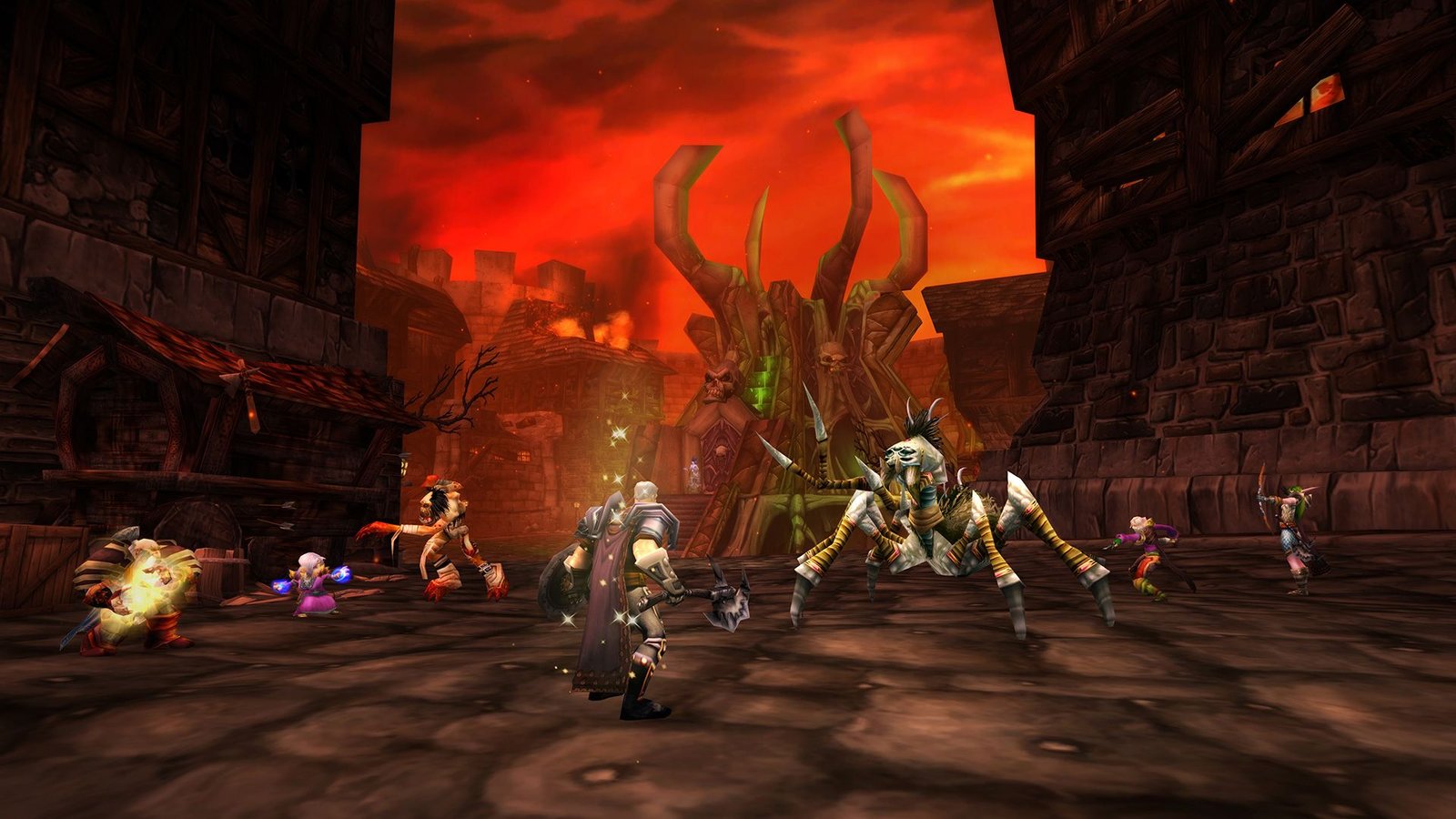
Put five people in a room with a difficult task and no deadline, and you’ll learn about their skills. Put the same five people under a countdown timer, and you’ll learn about their team — because pressure doesn’t build character so much as reveal coordination, or the lack of it. Competitive gaming has quietly become one of the world’s largest laboratories for exactly this experiment: every night, millions of small teams — often strangers — attempt timed challenges where hesitation, miscommunication, and ego are punished within seconds. The patterns that emerge are strikingly consistent, and almost none of them are about gaming.
What the Timer Actually Tests
The signature format — a five-person team, a dungeon full of obstacles, a clock that doesn’t pause — looks like a test of speed. Veterans know it’s a test of three quieter things:
- Decision latency, not decision quality. Under a timer, a good-enough plan executed instantly beats a perfect plan debated for thirty seconds. Teams fail not because they chose wrong but because they chose slowly — five people each waiting for someone else to commit.
- Error recovery, not error avoidance. Every timed run contains mistakes; the clock ensures it. The teams that succeed are the ones whose response to a mistake is re-planning (“we adjust the next section”) rather than litigation (“whose fault was that?”). The forensic conversation has value — after the timer stops.
- Communication economy. Pressure shrinks bandwidth. Winning teams converge on a compressed shared language — short calls, agreed terms, silence as information — while struggling teams fill the channel with narration, apology, and noise. Saying less, better, is a trainable skill, and the timer trains it brutally.
The Pressure Paradox
Here’s the counterintuitive finding that anyone who has played (or led) under a clock recognizes: pressure doesn’t primarily cause mistakes — it causes isolation. Under stress, each individual’s attention collapses inward onto their own task, the shared picture evaporates, and five competent people become five solo performances occupying the same space. Nearly every catastrophic team failure in a timed run traces back to this narrowing, not to any single player’s error.
The teams that resist it do so with structure, not composure. One person holds the wide view and calls the plan (and pointedly does less of the hands-on work). Checkpoints are agreed in advance — natural pauses where the group re-synchronizes. And roles are explicit enough that trust replaces monitoring: I don’t watch your job because I know it’s yours. None of this requires calm personalities. It requires agreements made before the pressure, which is the whole trick — teams don’t rise to the occasion, they fall to the level of their preparation, under a timer more visibly than anywhere else.
Where People Go to Practice
What makes gaming’s version of this laboratory unusual is the repetition volume: a hobbyist team can run fifty pressure cycles in a week — attempt, fail, debrief, retry — a rep count no corporate teamwork workshop could dream of. The ecosystem around it reflects how seriously players treat the practice: guides, coaching, review culture, and organized-run services (https://xboosty.com/wow/dungeons is one example from the genre’s largest game) where less-connected players buy their way into a drilled, role-clear team for an evening — often less to obtain the reward than to feel, once, what coordinated pressure is supposed to feel like, and calibrate against it. Athletes call this training with better partners. The principle transfers unchanged.
The Takeaway That Fits Outside the Screen
Distill the millions of timed runs and the lesson list is short enough to carry anywhere small teams face clocks — kitchens, clinics, climbing partners, startup launches: commit fast and adjust rather than deliberate; separate recovery from blame until the pressure ends; compress your shared language before you need it; give one person the wide view; and buy your repetitions cheaply, in practice, where failure costs nothing. The timer, it turns out, was never the enemy. It’s the most honest teammate in the room — the only one guaranteed to tell you, every single run, exactly how much of a team you actually are.