
 By admin@handinhandadventures.com
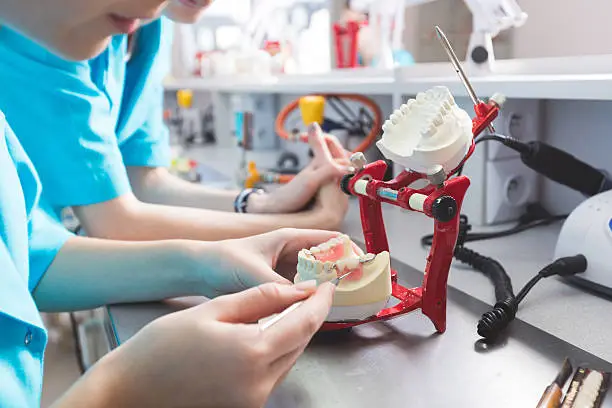
You notice it in small ways first. A denture that shifts when you talk. A night guard that feels thinner than it used to. A retainer that no longer fits the way it once did. You may be telling yourself it still works well enough, even though eating feels awkward, your jaw feels tired, or you keep reaching for adhesive more often. That kind of slow change is easy to live with until it starts affecting your day. If that sounds familiar, visiting a dentist in North Scottsdale can help you figure out what needs to be adjusted or replaced.
Worn dental appliances do not just create inconvenience. They can change your bite, irritate your gums, and make it harder to protect your teeth and jaw. If you have been putting off an appointment because you are unsure whether the problem is serious, the right questions can clear that up fast. Replacing worn dental appliances is often less about starting over and more about restoring comfort, fit, and function before bigger issues show up.
A poor fit often causes more than simple discomfort
The first question to ask is whether the appliance still fits the way it was designed to fit. Dental appliances change over time, and so does your mouth. Teeth can shift. Gum tissue can shrink. Materials wear down from daily use, cleaning, grinding, and heat exposure. What once felt secure can become loose, rough, or uneven.
If you wear dentures, a poor fit can lead to sore spots, trouble chewing, and embarrassment during meals or conversation. The MedlinePlus guide to dentures explains that dentures may need adjustment or replacement as your mouth changes. The same idea applies to retainers, mouthguards, and other oral devices. If the appliance is not sitting where it should, it may stop doing the job you rely on it to do.
This is where one of the most useful questions comes in. Is the problem wear, a change in your mouth, or both? That answer shapes the next step. Sometimes an adjustment helps. Sometimes repair makes sense. Sometimes replacement is the safer choice because the device no longer protects you properly.
Damage on the surface can signal deeper problems
The second question is whether visible wear means structural failure is close. Cracks, flattened areas, stains that do not come out, and rough edges are not just cosmetic issues. They can trap bacteria, irritate soft tissue, and weaken the appliance itself. A night guard with worn spots may no longer cushion the force of clenching. A retainer with stress cracks may break when you least expect it.
You might be wondering if a little damage is harmless. Sometimes it is not. Mouth appliances live in a high pressure environment. Biting, grinding, temperature changes, and moisture add stress every day. A small defect can become a break quickly, often after the appliance has already stopped fitting correctly.
For patients comparing dental appliance replacement with repair, the key issue is reliability. A repaired device that still fits poorly can keep the same problem going. A replacement may cost more upfront, but it can prevent repeated discomfort and emergency visits.
Your jaw symptoms can point to an appliance that has stopped working
The third question is whether your symptoms outside the appliance itself have changed. Headaches in the morning, jaw soreness, clicking, facial tension, or tooth sensitivity can all suggest that your device is no longer giving the support it should. This matters most with bite splints and night guards, but it can also happen with dentures that change your bite or missing areas on an appliance that alter how your teeth meet.
The National Institute of Dental and Craniofacial Research has clear information on jaw joint and muscle disorders, including symptoms tied to bite strain and jaw tension. If your appliance was meant to reduce stress on the jaw and you are having more symptoms instead of fewer, that deserves attention.
This is often the point where people realize they have adapted to a problem for too long. You chew on one side. You avoid certain foods. You stop wearing the appliance every night because it feels off. Those workarounds can protect you for a while, but they usually come with a cost.
Cleaning limits and material age affect safety
The fourth question is whether the appliance can still be cleaned well enough to be safe and comfortable. Older devices can develop odor, buildup, or surface wear that does not respond to normal cleaning. Once the material becomes porous or rough, it can hold onto debris more easily.
The fifth question is how old the appliance is and whether its expected lifespan has already passed. There is no single replacement date for every device because use patterns differ. Someone who grinds heavily may wear out a guard much faster than someone who uses it lightly. A general dentist can look at the material, your bite, and your oral tissue to judge whether age has become part of the problem.
If you wear a removable appliance daily, ask whether changes in fit are also affecting gum health, speech, or nutrition. MedlinePlus also explains common mouth and dental problems that can grow when irritation or poor oral function is left alone. Trouble chewing can push you toward softer, less balanced meals. Persistent sore spots can make you avoid wearing the appliance at all.
Professional replacement and at home fixes are not equal options
The sixth question is whether a store bought fix or online kit is enough. For a loose or worn appliance, that can be tempting. The short term appeal is obvious. It feels cheaper and faster. The problem is that a poor fit usually has a cause that needs to be measured, not guessed.
| Option | What You Get | Main Risk | Best Use |
|---|---|---|---|
| At home repair kit | Quick patch for a minor issue | Can worsen fit, hide cracks, or irritate tissue | Temporary step until a dental visit |
| Professional adjustment | Targeted changes to improve comfort and fit | May not solve advanced wear or old material failure | Appliance is still structurally sound |
| Professional replacement | New appliance based on your current mouth and bite | Higher upfront cost | Worn, cracked, loose, or outdated device |
Replacing old dental devices often makes the most sense when the appliance no longer matches your mouth, no longer protects your teeth, or keeps causing irritation. That is not a luxury decision. It is a function decision.
Clear next steps make the decision easier
Track what has changed. Write down when the appliance started feeling different, whether chewing or speaking has changed, and any jaw pain, sore spots, or headaches. That short list helps your dentist connect wear patterns with your symptoms.
Bring the appliance to a general dentist before it breaks completely. A device that is loose, cracked, or worn down is easier to assess when it is still intact. Waiting until it fails can leave you without protection or function for days or weeks.
Ask for a repair versus replacement comparison. You need a direct answer about fit, material condition, expected lifespan, and cost. A good recommendation should explain whether the current appliance can still do its job safely.
You do not have to keep living around a dental appliance that feels wrong. If it rubs, slips, smells, or stops helping, your body is already telling you something. A general dentist can check the fit, look for hidden damage, and tell you whether an adjustment, repair, or replacement is the better move. Taking care of it now can spare you more pain, more expense, and more frustration later.