
 By admin@handinhandadventures.com
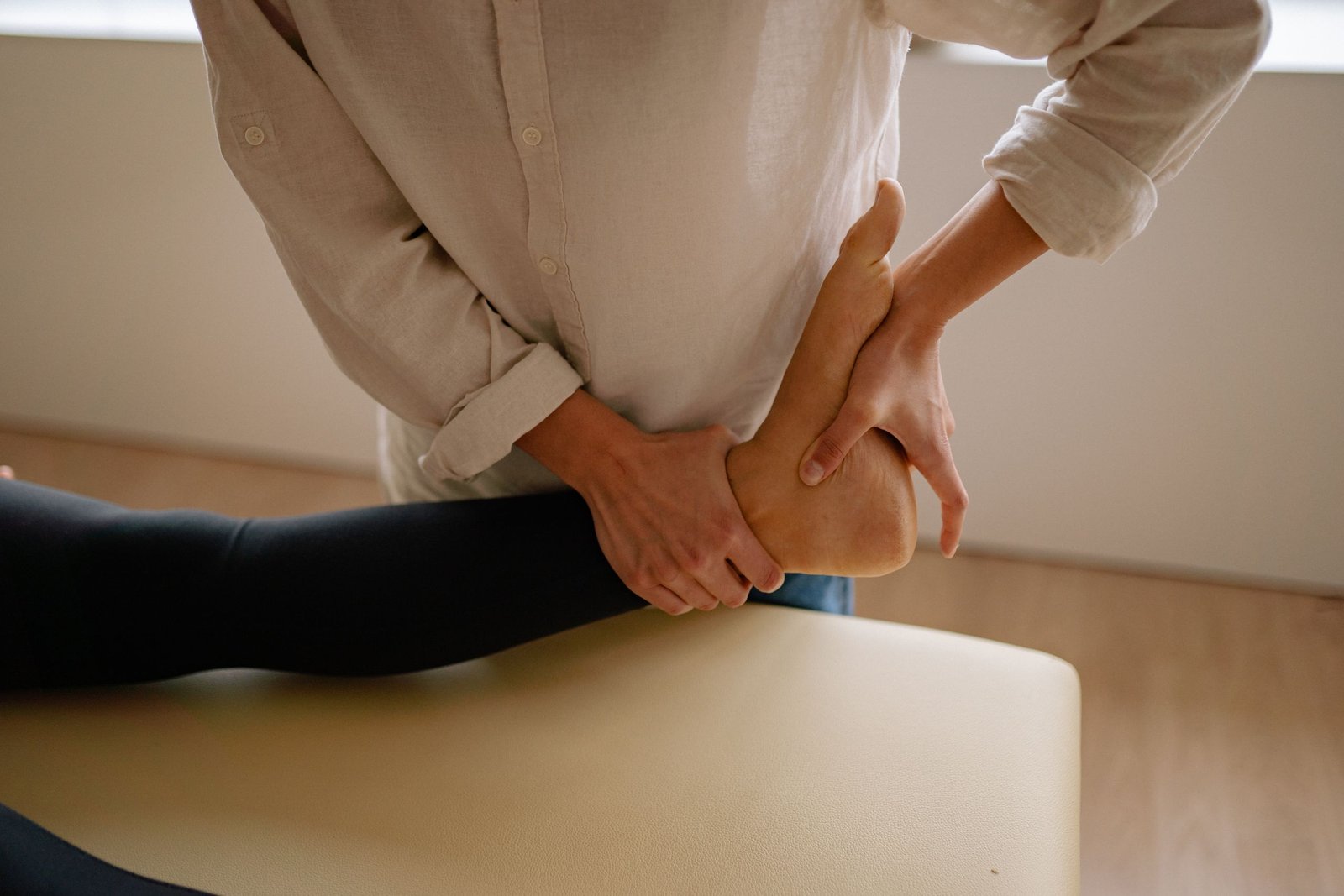
You get out of bed, put your foot down, and that first step hits like a warning. By the time you have walked a little, it may ease up, then come back after standing too long, exercising, or making it through a full workday. That pattern wears people down. Heel pain sounds small until it starts shaping how you move, how long you stay on your feet, and whether you avoid things you used to do without thinking. Some people also look for outside ankle pain treatment in Maryville, IL when related discomfort begins affecting how they walk and function.
How podiatrists manage plantar fasciitis pain usually comes down to one goal, reducing stress on the band of tissue along the bottom of your foot so it can calm down and heal. A podiatrist looks at why the pain started, what keeps it going, and which treatments fit your daily life. For some people, that means better shoes, stretching, and activity changes. For others, it means custom support, targeted therapy, or imaging to rule out a different cause.
Podiatrists treat heel pain by finding the source of strain
Plantar fasciitis is irritation of the plantar fascia, the thick tissue that supports the arch and connects the heel to the front of the foot. The pain often settles near the heel and tends to be worse with first steps after rest. According to MedlinePlus guidance on plantar fasciitis, common treatment includes rest, stretching, supportive shoes, and pain relief measures.
A podiatrist starts with the basics, where the pain is, when it started, what your work and activity look like, and whether you have flat feet, high arches, tight calves, weight changes, or a sudden jump in walking or exercise. That matters because foot pain treatment works best when it matches the cause. A retail worker who stands on hard floors all day needs a different plan than a runner training through calf tightness or a parent chasing toddlers in unsupportive slip-ons.
The exam often includes checking how your foot moves, where pressing causes pain, how your Achilles tendon feels, and how you walk. If the story does not fit typical plantar fasciitis, a podiatrist may look for stress fracture, nerve irritation, arthritis, or a tendon problem. The review in NCBI Bookshelf on plantar heel pain explains that plantar heel pain has several possible causes, which is why a careful exam matters.
Plantar fasciitis pain gets worse when daily habits keep feeding the problem
People often try to push through it. That makes sense. You still have work, errands, workouts, and a life to manage. The trouble is that plantar fascia irritation often lingers when the same strain keeps showing up every day. Shoes without support, long hours on concrete, tight calves, and sudden bursts of activity can keep reopening the problem before the tissue settles down.
You may also be stuck in the cycle of feeling better just enough to test it. You walk more, the heel flares, and then you are back to limping in the morning. That does not mean you failed treatment. It usually means the tissue has not had enough support or enough time, or that the original diagnosis needs a second look.
Plantar fasciitis treatment from a podiatrist is often layered. Pain relief matters, but so does reducing the pull on the fascia. That can include calf stretches, night splints, taping, anti inflammatory options when appropriate, orthotics, shock absorbing footwear, and temporary changes to activity. In stubborn cases, a podiatrist may recommend physical therapy, imaging, or office based procedures.
Home care and podiatrist care help in different ways
| Approach | What it includes | Best use | Limits |
|---|---|---|---|
| Home care | Rest from high impact activity, icing, calf and foot stretches, supportive shoes, over the counter inserts | Mild symptoms, early pain, short flare ups | May not fix poor mechanics, wrong footwear, or another condition causing heel pain |
| Podiatrist evaluation | Physical exam, gait review, diagnosis, custom treatment plan, orthotics, therapy referrals, imaging if needed | Pain lasting more than a few weeks, repeat flare ups, severe morning pain, pain affecting work or exercise | Requires an appointment and follow through with treatment |
| Office based treatment | Taping, custom orthotics, immobilization, targeted therapy, selected procedures for persistent cases | Moderate to stubborn cases that have not improved with basic care | Not every patient needs advanced treatment |
This is where many people feel relief, not because the fix is instant, but because the problem finally has a plan. A podiatrist can tell you whether you are dealing with common heel pain, a deeper injury, or a pattern that will keep returning unless your mechanics change. That clarity saves time, money, and a lot of trial and error.
Podiatry care works best when you act early and stay consistent
Step 1: Change what your foot feels all day. Start with shoes. Wear pairs with arch support, cushioning, and a stable sole, even at home if barefoot walking triggers pain. If one pair always makes your heel ache worse, stop testing it. Small daily choices matter more than occasional stretching.
Step 2: Loosen the calf and support the arch. Tight calf muscles increase pull on the plantar fascia. Gentle calf stretches, towel stretches before getting out of bed, and rolling the arch on a cold water bottle can reduce that first step pain. If over the counter inserts help a little but not enough, a podiatrist may recommend better support or custom orthotics.
Step 3: Get assessed if pain keeps coming back. If your heel pain has lasted more than a few weeks, keeps returning, or changes how you walk, see a podiatrist. That is especially true if the pain is sharp, swelling appears, numbness develops, or you cannot bear weight normally. Early care often prevents a long recovery.
Podiatrists help you move with less pain and more confidence
Heel pain has a way of shrinking your world. You park closer, skip walks, avoid workouts, and brace yourself for the first steps every morning. That is exhausting. The good news is that most cases improve with the right mix of support, stretching, activity changes, and professional care when needed.
Heel pain treatment by a podiatrist is not just about calming the pain you feel today. It is about figuring out why your foot keeps getting overloaded and what will help you stay active without feeding the same problem. If the pain is lingering or getting in the way of daily life, schedule a visit with a podiatrist and get a plan that fits how you actually live.