
 By admin@handinhandadventures.com
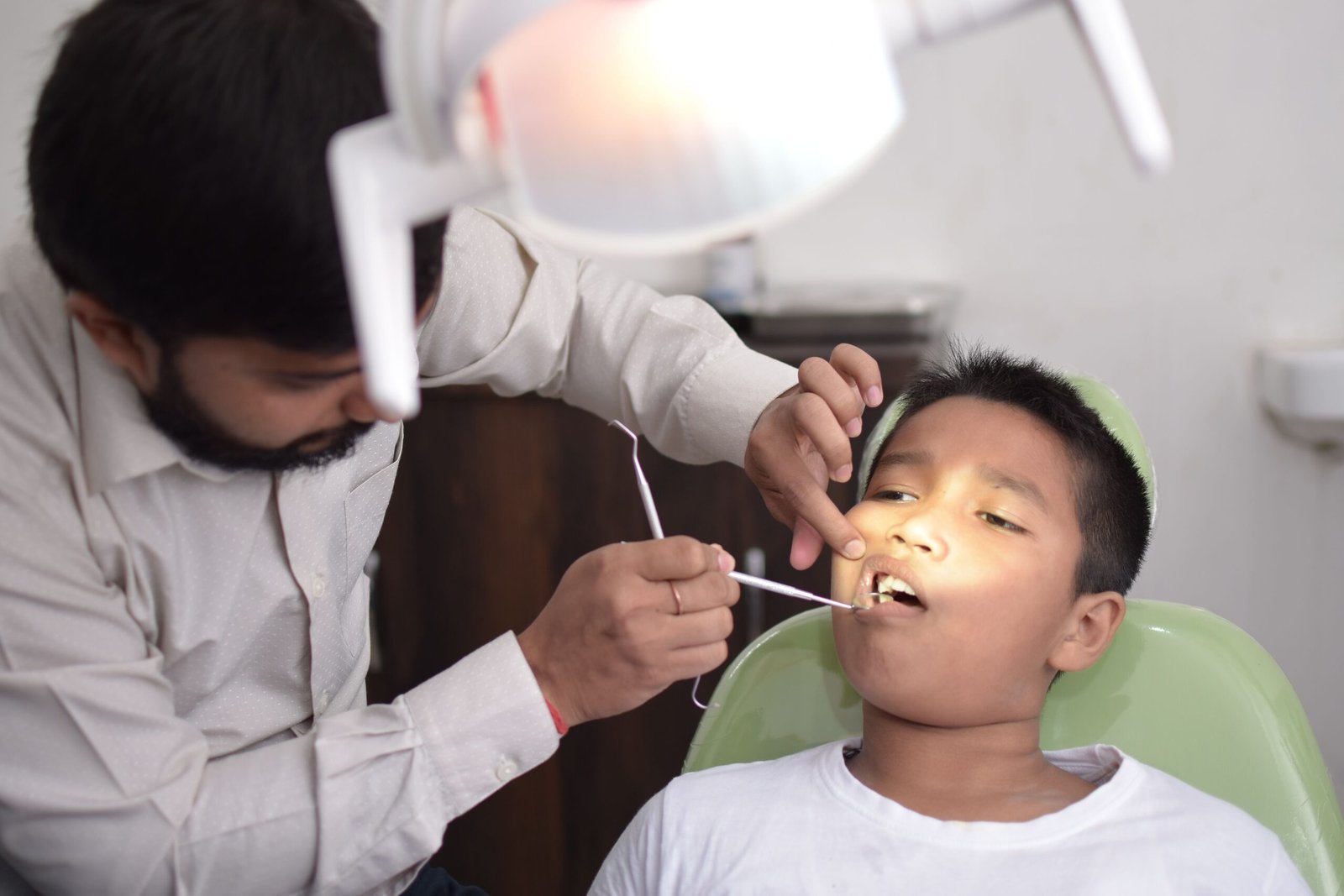
You might already know the pattern. Your child does fine until a toothbrush, spoon, X ray sensor, or dentist’s mirror gets near the back of the mouth, then the gagging starts, tears follow, and a simple visit turns into a hard day for everyone. That stress is real. It can make you worry that your child will never sit through dental care, or that needed treatment, including urgent dental treatment for children in Colton, CA, will keep getting delayed.
A strong gag reflex is common in children, and it does not mean your child is being difficult. It usually means their body is reacting fast to a sensation that feels overwhelming. A good pediatric dentist does not force the issue. They adjust the pace, the tools, the position, and the behavior guidance approach so your child can get care with less fear and less discomfort. In some cases, they also discuss sedation options when basic strategies are not enough.
Pediatric dentists treat a strong gag reflex with technique, patience, and planning
Children with sensitive gag reflexes often struggle with more than cleanings. X rays can feel impossible. Dental impressions may trigger panic. Even lying flat can make a child feel like they cannot swallow well. When that happens, the problem grows. Missed exams can mean cavities are found later, treatment gets longer, and your child starts to expect every visit to go badly.
That cycle is what pediatric dentists try to break. They are trained to use age-based behavior guidance, communication, and step by step desensitizing methods. The American Academy of Pediatric Dentistry behavior guidance recommendations describe approaches that help children cope with fear, sensory sensitivity, and treatment challenges in a safe, respectful way.
Sometimes the solution is simple. A child who gags in a fully reclined chair may do better sitting more upright. A child who panics when instruments appear all at once may respond better when the dentist introduces one item at a time. Breathing through the nose, taking short breaks, using smaller instruments, suction to control saliva, and treating the easiest area first can all make a real difference.
For some children, the gag reflex is tied to anxiety. The moment they think something unpleasant is coming, their body reacts before anything even touches the mouth. That is why a children’s dentist for gag reflex issues often focuses on trust first. The visit may start with a lap exam, a short “look only” appointment, or a gradual practice session instead of full treatment on day one.
Strong gag reflex dental care for kids often requires more than distraction
Distraction helps, but it is not always enough. If your child has developmental differences, sensory processing issues, enlarged tonsils, chronic congestion, past choking experiences, or strong dental fear, gagging may be harder to control. In those cases, a pediatric dentist may change the care plan instead of pushing through the visit.
That can mean delaying non urgent steps, using alternative imaging when possible, or scheduling shorter appointments at a time of day when your child is more regulated. Some offices also use nitrous oxide for children who are anxious and able to follow directions. For children who need more support, the dentist may talk with you about sedation. The goal is not to “knock a child out” for convenience. The goal is safe, effective care when lesser measures have failed or when treatment cannot wait.
The AAPD’s behavior guidance document explains how pediatric dentists match techniques to a child’s age, medical history, development, and treatment needs. If sedation enters the conversation, it should also follow clear safety standards. The AAPD outlines those standards in its guidance on monitoring and managing pediatric patients before, during, and after sedation.
Practical options for a child with a strong gag reflex at the dentist
Parents often want to know what changes the visit from a struggle to something manageable. The answer depends on why your child gags, how severe it is, and what treatment is needed.
| Approach | Best For | Benefits | Limits |
|---|---|---|---|
| Chair position changes and short appointments | Mild gag reflex, younger children, first visits | Simple, low stress, often enough for exams and cleanings | May not work for X rays or longer treatment |
| Tell show do, breaks, and desensitization | Anxiety based gagging, sensory sensitivity | Builds trust, improves future visits | Takes time, may require more than one visit |
| Smaller tools, suction, limited mouth exposure | Children triggered by touch or saliva buildup | Reduces physical triggers during treatment | Tool changes alone may not help severe cases |
| Nitrous oxide | Children with moderate anxiety who can cooperate | Can reduce fear and improve tolerance | Not right for every child or every procedure |
| Sedation or hospital based care | Severe gag reflex, urgent treatment, complex needs | Allows safe completion of needed dental care | Requires screening, planning, and added cost |
Pediatric dental care for sensitive gag reflexes works best when the office plans ahead instead of reacting in the moment. If the team knows your child gags with toothpaste, struggles with nose breathing, or has had a bad dental visit before, they can prepare from the start.
Three steps you can take before the next appointment
Tell the office exactly what happens. Say what triggers the gagging, how quickly it starts, and whether your child also has anxiety, sensory issues, or trouble breathing through the nose. “My child gags during brushing and cannot tolerate anything near the back teeth” is useful. “They hate the dentist” is not enough detail.
Practice at home without forcing it. Help your child get used to mouth sensations in small doses. A toothbrush near the front teeth, then a few seconds longer the next day, can be enough. Stop before panic starts. The goal is tolerance, not endurance. If your child is medically complex or highly sensitive, ask the dentist for a home plan first.
Ask about the full range of support. A pediatric dentist should be able to explain what can be tried first, what signs suggest a modified approach, and when sedation is appropriate. You want a plan that fits your child, not a one size fits all response.
The right pediatric dentist helps your child feel safer and more capable
A strong gag reflex can make dental care feel impossible, but it is manageable with the right approach. Children do better when the dentist respects the reflex, lowers the triggers, and builds cooperation in steps. That protects both your child’s comfort and their oral health.
If your child has been struggling through dental visits, schedule an appointment with a pediatric dentist and explain the gag reflex before you come in. A thoughtful plan can change the whole experience for your child and for you.