
 By admin@handinhandadventures.com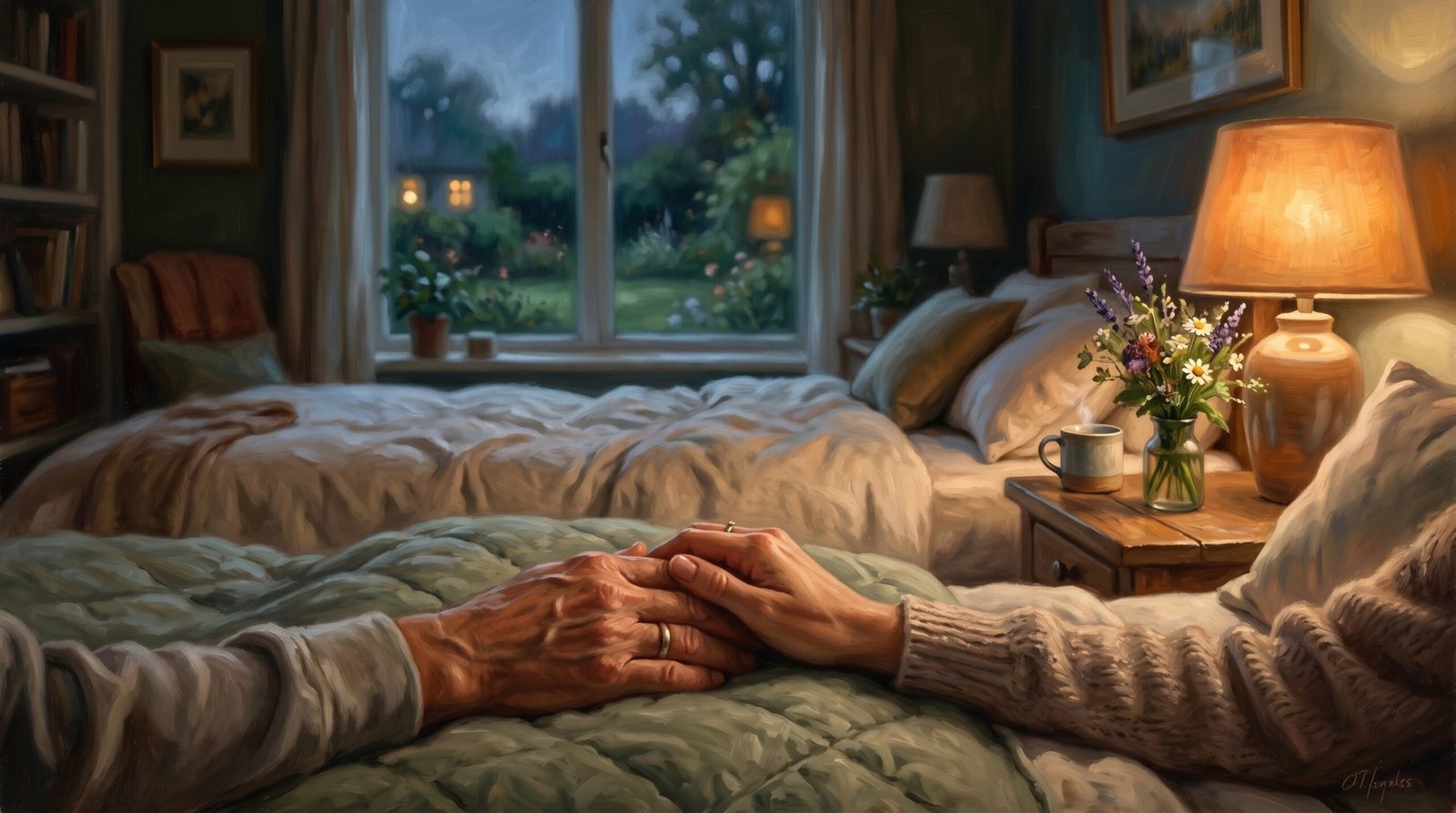
You always think you’ll have more time with the people you love. After all, there wouldn’t be any point in thinking about someone dying all the time; we’d all be depressed 24/7.
So what you do is you watch your grandmother eating half her meals and complaining about the TV, but she seems fine. She’s been sleeping a little more lately, but she’s old, so that makes sense. Then, one random afternoon, her breathing becomes rattling, and by the evening, she’s unresponsive.
Where did that come from? She was fine just this morning.
Dying is weird. Most people expect it to look like the person fading away, slowly and predictably.
And sometimes, it happens exactly like that, but other times, it looks like everything’s okay, and then, suddenly, all hell breaks loose. The thing is, the human body is exceptional at hiding problems; it’ll reroute blood, squeeze fluid from tissues, adjust breathing, and pretty much do whatever’s necessary to keep things going.
Until it can’t anymore, and that’s when everything drastically changes.
Why Things Change So Fast at the End
It’s perfectly normal for an 80-year-old to look and feel great in the morning and then end up in the E.R. in the evening.
It’s scary to think about, but it happens, and it’s anything but unusual. Many people aren’t aware of this, but an aging body runs on very little reserve, like a car with almost no gas in its tank. It can drive just fine, but if it stumbles up a hill, it’s done.
So, when a tiny issue happens in an old person’s body, their entire system can suffer very serious consequences.
In younger and healthier people, organs back each other up.
If one of them struggles, the others cover for it. But as time goes on, that system loses some of its efficiency – the heart can’t pump as strongly anymore, the lungs lose some of their stretch, etc.
So, when a problem occurs, even a small one like mild dehydration, the body can’t compensate the way it used to. As a result, it goes into survival mode because there’s nothing else that it can do. It pulls blood away from the skin, the arms, the legs, and the stomach, and sends all of that to the brain and the heart. That’s why you’ll hear older people complain a lot about cold extremities or dry skin.
Energy also gets redirected, which means the person has less appetite, their sleep isn’t as restful, and their mobility goes down. And unless you eat well and move regularly, the body can no longer rebuild muscle and repair tissue.
This is a huge issue in care facilities in particular.
Since they’re understaffed (or at least the majority of them are), it’s not unusual for bedridden residents to develop bedsores or even more severe ones such as Kennedy terminal ulcer (KTU) in nursing homes. Neglect like this isn’t uncommon, and it really isn’t (entirely) the staff’s fault. They physically cannot be in two places at once, nor can they be expected to work 24/7. These facilities need more manpower.
It might look sudden on the outside, but it’s been going on for a while.
It’s just that nobody noticed.
The Changes You’ll Usually Notice First
If you’re paranoid and scared now and you think you need to check on your parents or grandparents all the time, calm down.
There are actually some signs that point to something being wrong; you just need to be able to recognize them.
Sleeping Almost All Day
Unless it’s a bear hibernating or a cat, sleeping 18 or more hours per day isn’t normal. What this means is that the person’s body is trying to save energy, like when your phone’s battery gets to 10% and turns on battery-saving mode. The brain does the same.
And even when they’re awake, you might notice that they look disinterested and tired.
Getting Weak Very Quickly
A person sits just fine in a chair one day, and the next, they can barely hold their head up.
This happens because when someone’s nearing the end of life, they stop eating and drinking as much, and they’re also not really moving around a lot. And muscles need food, water, and regular use to stay strong.
If they’re not getting all that, they start to break down.
Breathing and Skin Changes
You might notice that their breathing is getting shallower and that they take longer pauses between breaths.
Their hands and feet are cold, and the skin on the knees and toes can look bluish or light purple. These are signs that the heart isn’t strong enough to push blood all the way, so it pulls it in to protect the brain and the heart.
The body is protecting its most important parts, but usually, people panic at the sight of this.
Conclusion
Well, that was a depressing topic, wasn’t it?
But it was also an important one because dying is inevitable. And although nobody can truly mentally prepare for the loss of their loved ones, at least this way, you can learn to see some signs.
It’s definitely a difficult period to get through, but it’s part of life.