
 By admin@handinhandadventures.com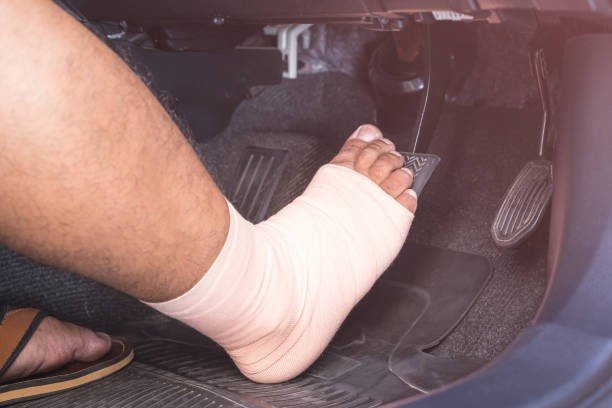
Before driving with a sprained ankle, you should consider the severity of the injury, your ability to operate the vehicle safely, any medical restrictions, and whether pain or limited mobility could affect your reaction time. Attempting to drive with a sprained ankle may increase the risk of accidents if you cannot properly control the pedals.
Anyone planning to drive with a sprained ankle should carefully evaluate whether they can operate a vehicle safely and comfortably. A sprained ankle can range from a mild injury involving minor ligament stretching to a more serious condition that causes significant pain, swelling, and instability. The impact of the injury often depends on which ankle is affected and the extent of the damage.
Even a seemingly minor sprain can interfere with normal movement and coordination. Because driving requires constant control of acceleration, braking, and steering, physical limitations caused by an ankle injury should not be ignored. Understanding the potential risks can help individuals make informed decisions about when it may be appropriate to return to driving.
Assess the Severity of the Injury
The first factor to consider is the seriousness of the sprain. Mild sprains may cause discomfort but still allow relatively normal movement. More severe injuries can make it difficult to place weight on the affected foot or move the ankle without pain.
If the injury limits your ability to press the accelerator or brake smoothly, driving may not be safe. Consulting a healthcare provider can help determine whether driving should be avoided during recovery.
Consider Which Ankle Is Injured
The location of the injury can significantly affect driving ability. For drivers of automatic vehicles, a right ankle injury may present greater challenges because the right foot is typically used to operate both the accelerator and brake pedals.
A left ankle injury may have less impact on driving in an automatic vehicle, but discomfort, swelling, or restricted movement can still affect overall safety and concentration.
Evaluate Pain and Medication Effects
Pain can be distracting and may reduce a driver’s ability to react quickly to changing road conditions. Additionally, certain medications prescribed for injury-related pain may cause drowsiness, dizziness, or impaired judgment.
Before driving, individuals should consider whether pain levels or medication side effects could interfere with safe vehicle operation.
Test Your Range of Motion
Driving requires the ability to move the foot and ankle freely and quickly. Limited mobility may affect braking performance or delay emergency responses.
Before returning to the road, individuals should assess whether they can comfortably:
- Press the brake pedal firmly
- Move between pedals smoothly
- Maintain control during prolonged driving
- React quickly in emergency situations
Any difficulty performing these actions may indicate that additional recovery time is needed.
Follow Medical Recommendations
Healthcare providers often offer guidance regarding activity restrictions after an injury. Following these recommendations can help prevent further damage and reduce the risk of complications.
Ignoring medical advice and returning to driving too soon could prolong recovery and potentially create safety concerns for both the driver and others on the road.
Potential Legal Considerations
Drivers have a general responsibility to operate vehicles safely and avoid creating unreasonable risks for others. In some situations, driving while physically unable to control a vehicle may contribute to liability if an accident occurs.
For example, California Vehicle Code Section 22350 requires drivers to operate vehicles at a speed that is reasonable and prudent under existing conditions. While this statute does not specifically address ankle injuries, it reflects the broader principle that drivers must maintain safe control of their vehicles at all times.
Key Takeaways
- The severity of a sprained ankle can significantly affect driving ability.
- Right ankle injuries often present greater challenges for drivers of automatic vehicles.
- Pain and medication side effects may impair reaction time and concentration.
- Adequate range of motion is necessary for safe pedal operation.
- Medical advice should be followed before returning to driving.
- Physical limitations may create safety and legal concerns if they contribute to an accident.
- California Vehicle Code Section 22350 highlights the importance of operating a vehicle safely under existing conditions.