
 By admin@handinhandadventures.com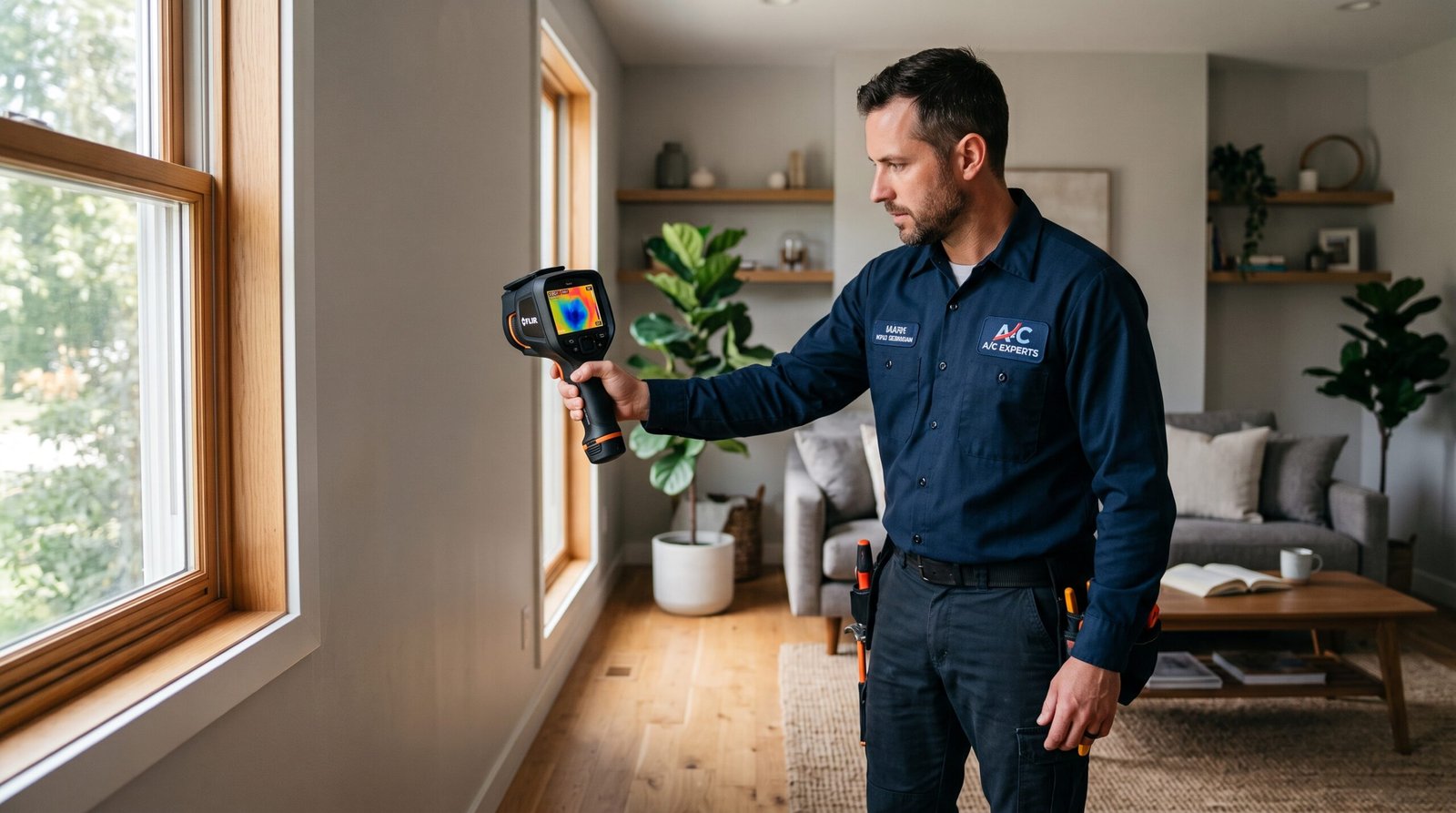
Persistent hot and cold spots can make a home feel uncomfortable, regardless of how often the heating or cooling system runs. While homeowners may assume the issue is caused by aging equipment, temperature inconsistencies often result from multiple factors working together. Uneven airflow, duct problems, insulation deficiencies, and control system issues can all contribute to rooms feeling significantly different from one another. Identifying the exact cause requires a detailed evaluation rather than guesswork. An HVAC contractor follows a structured diagnostic process that examines every component influencing indoor comfort to determine why some areas remain warmer or cooler than others.
Finding the Root Cause
-
Gathering Information About Household Comfort Patterns
The diagnostic process begins with collecting information from the homeowner. Contractors ask which rooms experience temperature differences, how long the issue has existed, and whether it occurs year-round or only during specific seasons. They also investigate whether renovations, room additions, or changes in occupancy have affected the home’s heating and cooling demands. This information helps establish patterns that may point toward underlying causes.
A room that becomes warm only in the afternoon may have different challenges than one that remains uncomfortable all day. By understanding the homeowner’s observations, contractors can focus their investigation on the most likely contributing factors and avoid overlooking important details that may influence system performance.
-
Measuring Airflow and Vent Performance
After gathering background information, contractors evaluate airflow throughout the home. Every room depends on a consistent supply of conditioned air to maintain a comfortable temperature. Measurements are taken at supply and return vents to determine whether air is moving properly through the system. Weak airflow often indicates restrictions such as clogged filters, blocked vents, damaged duct sections, or improperly adjusted dampers.
Contractors compare airflow readings between rooms to identify significant differences that may explain temperature inconsistencies. During this stage, they also assess whether furniture, curtains, or other household items are interfering with air circulation. Accurate airflow measurements provide valuable insight into how effectively the HVAC system distributes conditioned air throughout the home.
-
Inspecting the Duct System for Hidden Deficiencies
Ductwork inspection is one of the most important steps in diagnosing persistent hot and cold spots. Conditioned air travels through ducts before reaching individual rooms, making any defect within the system a potential source of uneven temperatures. Contractors inspect accessible duct sections for leaks, loose connections, crushed areas, and inadequate insulation. Even minor air losses can reduce the amount of conditioned air reaching distant rooms.
Industry professionals and companies such as https://quality-hc.com/ac-repair-in-kiefer-ok/ frequently emphasize duct inspections because airflow problems often originate within hidden sections of the distribution system. Contractors also evaluate whether duct sizing matches the home’s heating and cooling requirements. An improperly designed duct network can create ongoing comfort issues even when HVAC equipment is functioning correctly.
-
Evaluating Heating and Cooling Equipment Performance
Once airflow pathways have been examined, contractors focus on the HVAC equipment itself. Heating and cooling systems must produce sufficient conditioned air to meet the home’s demands while maintaining consistent operation. Contractors inspect major components, including blowers, coils, motors, thermostatic controls, and electrical connections. They verify that the system is delivering the expected heating or cooling output and investigate any signs of reduced performance.
Dirty coils, worn components, and calibration issues can all affect temperature consistency. Equipment sizing is also reviewed because systems that are too large or too small may struggle to maintain balanced comfort. This evaluation helps determine whether the source of uneven temperatures originates within the equipment rather than the distribution system.
-
Assessing Insulation and Energy Loss Areas
A home’s insulation plays a major role in maintaining even temperatures. Contractors inspect attic spaces, exterior walls, crawl spaces, and other areas where heat transfer commonly occurs. Insufficient insulation allows outdoor temperatures to influence indoor conditions, creating noticeable differences between rooms. Spaces beneath poorly insulated attics often become warmer in summer, while rooms near unprotected exterior walls may feel colder in winter.
Contractors also look for air leaks around windows, doors, vents, and utility penetrations. These openings can allow conditioned air to escape while permitting outdoor air to enter. By evaluating insulation quality and identifying sources of energy loss, contractors gain a clearer understanding of how the building envelope contributes to temperature imbalances.
-
Analyzing Thermostat Placement and System Controls
Thermostat location can significantly affect how an HVAC system responds to changes in indoor temperature. Contractors examine whether the thermostat is positioned to accurately reflect conditions throughout the home. Exposure to direct sunlight, nearby appliances, or drafts can cause inaccurate readings, leading to improper system operation. Contractors also evaluate programmable settings, zoning controls, sensors, and damper functions.
In homes with zoning systems, improperly functioning controls can direct too much conditioned air to one area while limiting airflow to another. Reviewing these control mechanisms helps determine whether uneven temperatures result from operational issues rather than airflow restrictions or equipment deficiencies.
-
Testing Static Pressure and Air Balance
An additional step often involves measuring static pressure within the HVAC system. Static pressure testing helps contractors determine whether airflow encounters resistance as it moves through ductwork and equipment. Excessive pressure can indicate restrictions that prevent conditioned air from reaching all areas evenly. Contractors use specialized instruments to compare readings throughout the system and identify locations where airflow performance is compromised.
Air balance testing may also be conducted to ensure each room receives an appropriate amount of conditioned air. These measurements provide technical data that supports accurate diagnosis and helps guide recommendations for improving comfort throughout the home.
Diagnosing persistent hot and cold spots requires a methodical evaluation of the entire heating and cooling system as well as the home itself. HVAC contractors examine airflow, ductwork, equipment operation, insulation, thermostat controls, and static pressure to identify factors contributing to uneven temperatures. Each step provides valuable information that helps reveal why certain rooms remain uncomfortable despite normal system operation.
By understanding how these components interact, contractors can develop targeted solutions that improve comfort and energy efficiency. A thorough diagnostic process ensures that temperature inconsistencies are addressed at their source, resulting in a more balanced and comfortable indoor environment.