
 By Sky Linker Media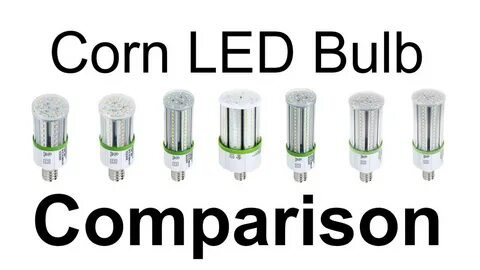
LED corn bulbs are high-output LED lamps designed for commercial and industrial lighting. Their shape looks similar to a corn cob because LED chips are placed around the body of the bulb. This design creates wide-angle light coverage. Most models produce 360-degree illumination. That makes them suitable for large open spaces.
These bulbs replace traditional HID, metal halide, CFL, and high-pressure sodium lamps. Many businesses use them to upgrade old fixtures without replacing the entire lighting system. This lowers installation costs.
LED corn bulbs are common in warehouses, parking lots, factories, garages, and street lighting systems. They use less electricity while producing strong brightness. Most quality models last between 50,000 and 100,000 hours. That is much longer than traditional commercial lighting.
Main features of LED corn bulbs
- Wide 360-degree light output
- High lumen efficiency
- Long operating lifespan
- Low heat production
- Instant full brightness
- Lower maintenance costs
- Suitable for indoor and outdoor use
- Available in multiple wattages and voltages
How LED corn bulbs Work
LED corn bulbs use multiple LED chips attached around a metal heat sink. The heat sink controls temperature during operation. An internal driver converts incoming power into the correct voltage for LED performance.
Traditional HID lamps create light through gas discharge. They also require ballasts. LED corn bulbs work differently. They use electronic components instead of gas-filled chambers. This improves energy efficiency and reduces power waste.
Many LED corn bulbs require ballast bypass installation. This means the old ballast is removed from the fixture. Removing the ballast improves system efficiency and reduces future maintenance issues.
The wide arrangement of LED chips spreads light evenly in every direction. This helps eliminate dark areas in large spaces.
Important internal components
- LED chips
- Heat sink
- LED driver
- Protective housing
- Screw base connection
Benefits of LED corn bulbs
Businesses switch to LED corn bulbs because they reduce energy use and maintenance costs. These bulbs also improve visibility in commercial areas.
Traditional lighting systems consume large amounts of electricity. Metal halide fixtures also lose brightness over time. LED technology solves these problems.
Major advantages
- Lower electricity bills
- Longer replacement intervals
- Better light quality
- Instant startup
- Reduced heat output
- Lower maintenance expenses
- Improved visibility in work areas
Energy savings
LED corn bulbs use much less power than older lighting systems. A 400W metal halide fixture may consume over 450 watts with ballast losses included. A similar LED retrofit may only use 120W to 150W.
Facilities operating lights for long hours can reduce energy costs significantly.
Longer lifespan
Most traditional HID lamps last around 15,000 to 20,000 hours. High-quality LED corn bulbs often exceed 50,000 hours.
Longer lifespan reduces:
- Replacement labor
- Maintenance interruptions
- Equipment rental costs
- Downtime in commercial facilities
Better visibility
LED lighting provides more consistent brightness. Many models also offer higher CRI ratings. This improves color accuracy and visibility.
This is important for:
- Parking lots
- Warehouses
- Security lighting
- Industrial operations
Best Applications for LED corn bulbs
LED corn bulbs work best in large commercial and industrial environments. Their high lumen output and broad light distribution make them suitable for demanding applications.
Different wattages are available for different fixture sizes.
Parking lot lighting
Parking lots need strong visibility during nighttime hours. LED corn bulbs provide wide coverage with lower power consumption.
Benefits include:
- Better security visibility
- Lower utility costs
- Reduced maintenance frequency
- Brighter driving areas
Warehouse lighting
Warehouses often operate lighting systems all day. Energy savings become important in these environments.
LED corn bulbs improve warehouse lighting through:
- Strong overhead brightness
- Lower operating costs
- Better visibility for workers
- Reduced fixture maintenance
Street and roadway lighting
Many municipalities replace HID street lamps with LED corn bulbs. LED technology improves efficiency and visibility.
Important advantages include:
- Faster startup
- Consistent brightness
- Reduced energy use
- Longer service intervals
Garage and canopy lighting
Parking garages and fuel station canopies need reliable lighting. LED corn bulbs provide even illumination in enclosed spaces.
Common installation areas:
- Parking structures
- Gas stations
- Service bays
- Loading areas
How to Choose the Right LED corn bulbs
Choosing the correct bulb is important for performance and safety. Several factors should be checked before purchasing.
Not all bulbs fit every fixture.
Wattage and brightness
Brightness is measured in lumens. Wattage measures power consumption.
Higher wattage usually means higher lumen output. Commercial properties should select bulbs based on fixture height and lighting needs.
General recommendations:
- 20W–40W for small fixtures
- 50W–100W for medium commercial areas
- 100W–200W for large industrial spaces
Base type
Commercial fixtures commonly use:
- E26 medium base
- E39 mogul base
The base must match the existing socket.
Color temperature
Color temperature changes the appearance of light.
Common choices include:
- 3000K warm white
- 4000K neutral white
- 5000K daylight white
Warehouses and parking lots usually use 5000K because it improves visibility.
Fixture compatibility
Some LED corn bulbs are approved for enclosed fixtures. Others require open airflow for cooling.
Always verify fixture compatibility before installation.
Voltage range
Commercial lighting systems may use different voltages.
Common ranges include:
- 100–277V
- 277–480V
Incorrect voltage selection can damage the bulb.
Installation Tips for LED corn bulbs
Installation is usually simple, but safety matters. Many retrofit projects involve ballast bypass wiring.
Power should always remain off during installation.
A licensed electrician is recommended for commercial systems.
Important installation steps
- Turn off electrical power
- Remove the old lamp
- Check socket condition
- Verify ballast requirements
- Confirm voltage compatibility
- Install the LED bulb securely
Common installation mistakes
- Using non-enclosed bulbs in sealed fixtures
- Ignoring ballast bypass instructions
- Installing incorrect voltage models
- Overheating due to poor ventilation
Correct installation improves bulb lifespan and performance.
Why businesses upgrade
- Lower operating costs
- Better nighttime visibility
- Reduced maintenance labor
- Longer lighting lifespan
- Improved energy efficiency
Maintenance Requirements
LED corn bulbs require less maintenance than traditional lighting systems. However, proper care still improves long-term performance.
Heat remains the biggest factor affecting LED lifespan.
Dust buildup can also reduce cooling efficiency.
Maintenance best practices
- Keep fixtures clean
- Maintain airflow around bulbs
- Replace damaged sockets quickly
- Use proper voltage supply
- Inspect fixtures regularly
Signs of performance problems
- Flickering light
- Reduced brightness
- Color changes
- Intermittent operation
Early inspection prevents larger electrical issues.
Are LED corn bulbs Worth the Investment?
Most commercial properties recover installation costs through energy savings and reduced maintenance. Facilities operating lights for long hours benefit the most.
LED corn bulbs reduce electricity use while improving brightness quality. Longer lifespan also lowers labor expenses linked to frequent bulb replacement.
Businesses often see lower operational costs within the first few years after upgrading.
Best reasons to upgrade
- Reduced utility bills
- Lower maintenance costs
- Better lighting quality
- Longer operating life
- Faster return on investment
Final Thoughts on LED corn bulbs
LED corn bulbs provide an efficient solution for commercial and industrial lighting upgrades. They deliver strong illumination with lower energy use. They also reduce maintenance and improve long-term reliability.
These bulbs work well in warehouses, parking lots, garages, factories, and roadway lighting systems. Proper wattage selection, voltage matching, and fixture compatibility are important for safe operation.
Businesses focused on reducing energy costs and improving lighting performance continue switching to LED corn bulbs because they provide measurable long-term value.