
 By admin@handinhandadventures.com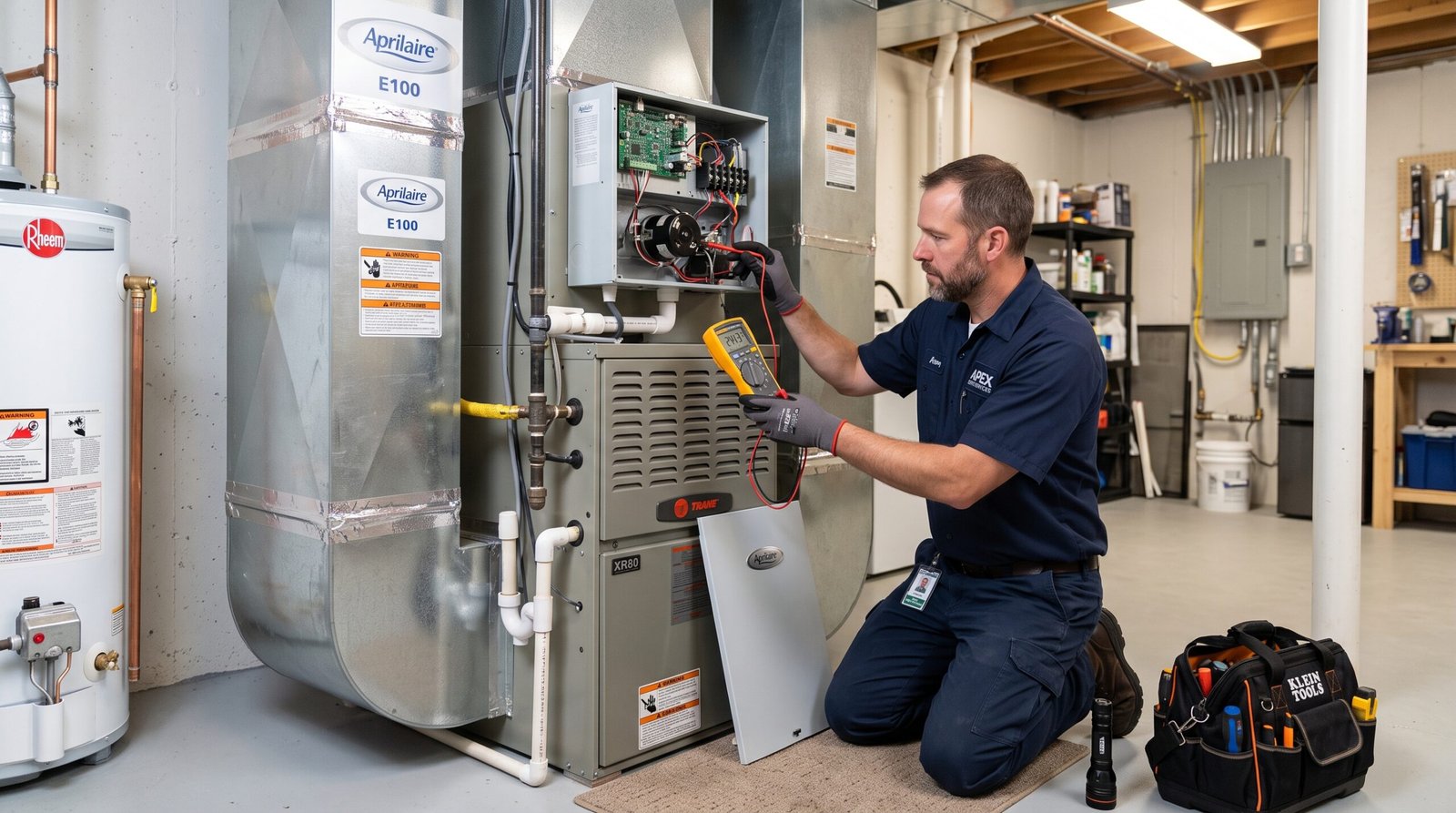
Humidity plays a major role in indoor comfort, energy efficiency, and the overall condition of a home. While many people focus on temperature when thinking about heating and cooling systems, moisture levels can be just as important. Excess humidity can make rooms feel warmer than they actually are, encourage mold growth, and create an environment where allergens thrive. On the other hand, overly dry air can cause discomfort, respiratory irritation, and damage to wooden furnishings.
Throughout the changing seasons, maintaining balanced indoor humidity requires careful attention to HVAC performance, airflow, and moisture-control strategies to support a healthier, more comfortable living environment.
Managing Moisture Year-Round
-
Understanding Seasonal Humidity Shifts
Indoor humidity rarely remains constant throughout the year. During warmer months, outdoor air often carries significant moisture that can enter homes through doors, windows, and ventilation systems. In colder seasons, heating equipment can reduce indoor moisture levels, sometimes creating excessively dry conditions. These seasonal changes require adjustments in HVAC operation to maintain balanced indoor air quality. Professionals who work with heating and cooling systems evaluate how outdoor weather patterns interact with indoor environments and recommend solutions that address both excessive moisture and overly dry air. They assess insulation, airflow pathways, ventilation systems, and equipment performance to identify factors contributing to humidity fluctuations.
By understanding how humidity changes across different times of the year, homeowners can better protect their property and maintain a comfortable indoor atmosphere. Proper humidity management also supports furniture preservation, prevents condensation issues, and helps HVAC systems operate more efficiently. The ability to anticipate seasonal moisture changes allows for proactive adjustments rather than reacting after problems develop, creating a more stable and enjoyable indoor environment regardless of the weather outside.
-
Cooling Systems and Humidity Removal
Air conditioning systems do more than lower indoor temperatures. A properly functioning cooling system also removes moisture from the air during cooling. As warm indoor air passes over evaporator coils, moisture condenses and is directed away from the home through drainage components. When systems are oversized, undersized, or poorly maintained, humidity removal can become less effective. This can leave homeowners feeling uncomfortable even when thermostat readings appear normal. HVAC professionals examine system sizing, airflow rates, refrigerant levels, and equipment condition to ensure cooling systems perform both temperature and moisture control functions effectively. In some communities, including areas served by HVAC Experts in Sandy, UT, maintaining balanced humidity is an important part of achieving indoor comfort during seasonal weather changes.
Regular inspections help identify clogged drains, dirty coils, and airflow restrictions that may interfere with moisture removal. By addressing these issues promptly, cooling equipment can maintain more consistent humidity levels while reducing strain on system components. This balanced approach contributes to greater comfort, lower energy consumption, and a healthier indoor environment during warmer periods of the year.
-
Improving Airflow for Better Moisture Control
Airflow is directly related to humidity management. Even a well-maintained HVAC system can struggle to control moisture if conditioned air is not distributed properly throughout a building. Poor airflow may create pockets of stagnant air where moisture accumulates, increasing the likelihood of condensation, odors, and mold growth. HVAC technicians evaluate ductwork design, vent placement, air filter conditions, and blower performance to identify factors limiting circulation. When airflow moves efficiently through a home, moisture levels remain more balanced from room to room. This helps eliminate uncomfortable hot spots and damp areas that often develop in spaces with inadequate ventilation.
Improving airflow can also reduce the workload placed on heating and cooling equipment, allowing systems to operate more efficiently while supporting humidity regulation. Homeowners may not immediately recognize airflow problems because temperature differences can seem minor, but moisture imbalance often reveals underlying circulation issues. Addressing these concerns helps create a more consistent indoor climate and enhances the effectiveness of humidity-control measures throughout every season.
-
Ventilation Solutions for Indoor Air Balance
Modern homes are often built with improved insulation and tighter construction methods designed to reduce energy loss. While this approach increases efficiency, it can also limit natural air exchange. Without adequate ventilation, moisture generated from cooking, bathing, laundry, and everyday activities can accumulate indoors. HVAC professionals often recommend ventilation strategies that introduce fresh air while maintaining energy efficiency. Mechanical ventilation systems help remove stale, moisture-laden air and replace it with cleaner outdoor air under controlled conditions. This process supports healthier indoor air quality while reducing the risk of excess humidity.
Balanced ventilation becomes particularly important during transitional seasons when homeowners may use heating and cooling systems less frequently. During these periods, moisture can build up unnoticed if fresh-air exchange is insufficient. Properly designed ventilation systems help maintain consistent humidity levels without sacrificing comfort or efficiency. They also help control odors and reduce indoor pollutant concentrations. By combining ventilation improvements with effective HVAC operation, homeowners gain greater control over moisture levels and enjoy a fresher indoor environment year-round.
-
Addressing Dry Indoor Air During Colder Months
While excess moisture often receives considerable attention, low humidity can also create significant challenges. During winter, heating systems frequently reduce indoor moisture levels, leading to dry skin, irritated sinuses, static electricity, and discomfort. Wood floors, furniture, and musical instruments may also be affected by prolonged exposure to excessively dry conditions. HVAC professionals assess indoor humidity levels during heating season and recommend solutions that restore balance. Whole-home humidification systems can add controlled amounts of moisture to the air as it circulates through heating equipment. Unlike portable units that address only small areas, integrated systems provide more consistent humidity control throughout the home.
Maintaining appropriate moisture levels can improve comfort without requiring higher thermostat settings, potentially reducing energy consumption. Humidity management during colder months also contributes to healthier indoor conditions by minimizing dryness-related irritation. Careful monitoring and adjustment help prevent over-humidification, which can lead to condensation issues near windows and exterior walls. By maintaining balanced humidity levels during winter, homeowners can protect both their comfort and their property from the effects of excessively dry indoor air.
Humidity affects far more than comfort alone. It influences indoor air quality, energy consumption, property preservation, and the performance of heating and cooling equipment. Throughout the year, changing weather conditions create different moisture challenges that require careful attention and effective solutions. From managing excess humidity during warm seasons to addressing dry air in winter, HVAC systems play a central role in maintaining indoor balance.
Through proper airflow, ventilation, equipment maintenance, and humidity-control technologies, homeowners can create healthier and more comfortable living spaces. Consistent monitoring and proactive maintenance help ensure moisture levels remain within an appropriate range, supporting long-term comfort and protecting the home from avoidable humidity-related problems.