
 By admin@handinhandadventures.com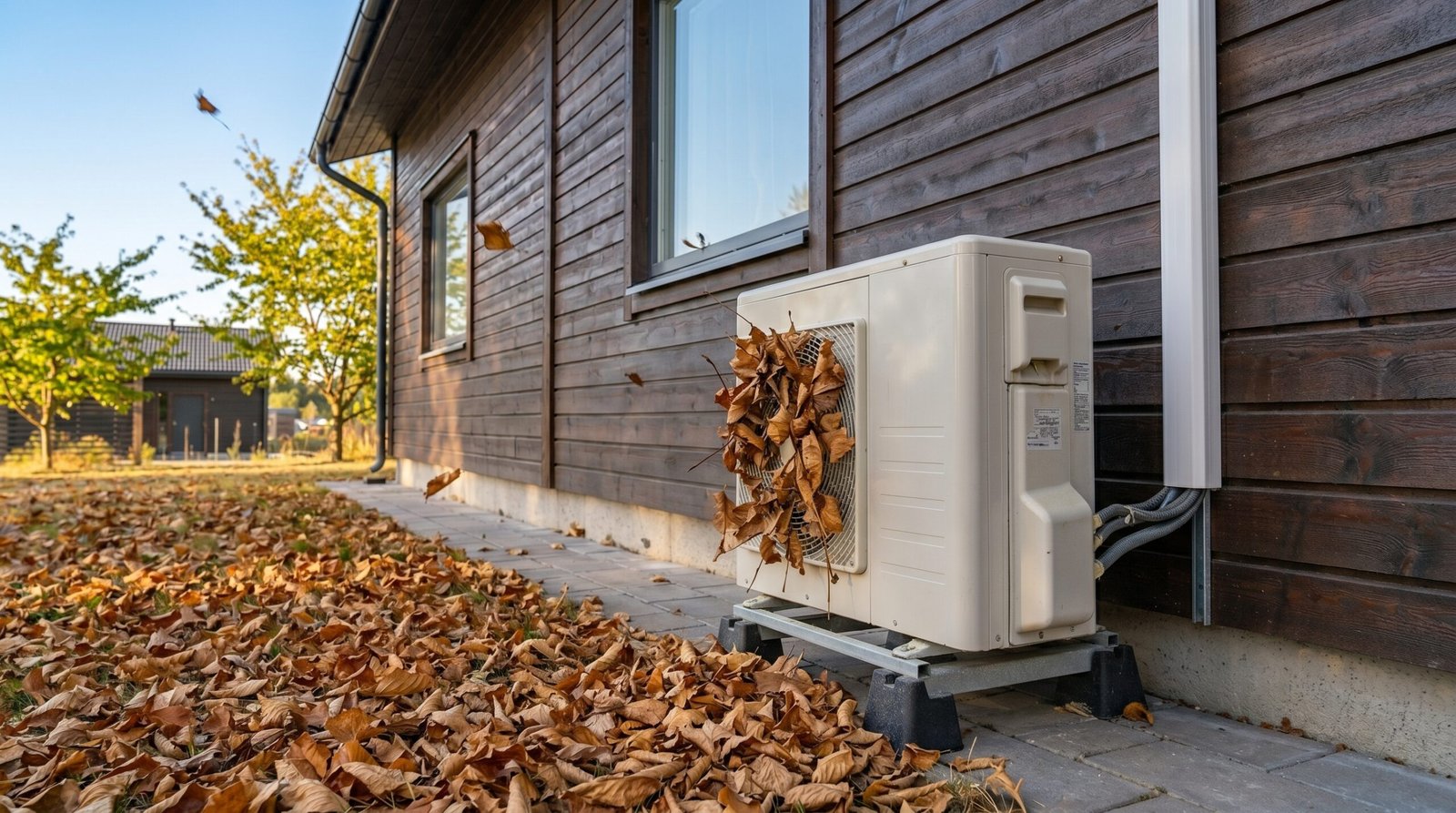
HVAC systems do not operate under the same conditions year-round, which is why seasonal weather changes can have a noticeable effect on performance. A unit that seems steady in mild spring weather may begin struggling when summer heat pushes cooling demand higher or when winter cold forces longer heating cycles. Temperature swings, humidity levels, airborne debris, and changing airflow needs all shape how hard the system must work to keep indoor spaces comfortable. That means performance is never only about the equipment itself. It is also about how outdoor conditions interact with the system, the ductwork, the thermostat, and the home.
How does the weather change the strain on the system
-
Summer Heat and Winter Cold Push Systems Harder
One of the clearest ways seasonal weather affects HVAC performance is by changing how long the system runs during the day. In summer, extreme heat forces air conditioners to remove more heat from indoor spaces while also managing rising humidity. That longer runtime increases wear on motors, compressors, and airflow components, especially if the unit is already dealing with dirty coils, clogged filters, or weak electrical parts. In winter, heating equipment faces a different kind of pressure. Furnaces and heat pumps must overcome cold outdoor temperatures and maintain warmth over longer cycles, which can expose weaknesses in airflow, ignition, insulation, or thermostat response. Mild weather can hide many problems because the system does not have to operate at full demand. Once temperatures become severe, those hidden issues become much easier to notice. Homeowners may start seeing longer cooling cycles, uneven room temperatures, delayed starts, or rising utility bills. These changes do not always mean the system is failing outright. Often, they show that seasonal weather is magnifying existing inefficiencies and making the equipment work much harder just to deliver the same level of comfort it handled more easily during moderate months.
-
Spring and Fall Can Reveal Different WeaknessES
The transition seasons can affect HVAC performance in quieter but still important ways. Spring often brings pollen, dust, and shifting humidity, which can influence filter condition, indoor air quality, and airflow through the system. Fall can expose how well heating components respond after sitting idle for months, especially if burners, blowers, or electrical parts have not been inspected since the previous cold season. These milder months are often when homeowners first notice that something feels slightly off, even if the system is still operating. A unit may turn on more often than expected, airflow may seem weaker in certain rooms, or temperature control may feel less consistent from morning to evening. Many households search for Santa Clarita HVAC Repair Service during these transition periods because seasonal changes often reveal performance issues before extreme temperatures arrive. That timing matters because spring and fall often provide the first clues that maintenance, adjustment, or repair may be needed before the heavier demands of summer or winter push the system beyond its comfort zone. In that sense, mild seasons do not only bring relief. They also serve as a test period to show whether the system is truly ready for the months ahead.
-
Humidity, Airflow, and Debris Also Change With the Seasons
Seasonal weather affects more than temperature alone. Humidity shifts can change how comfortable indoor air feels even when the thermostat setting remains the same. During humid months, an air conditioner may run longer because it is not only cooling the air but also removing excess moisture. If that process becomes less efficient, the home can feel sticky or heavy even when the unit appears to be working normally. During colder months, dry air can change comfort perception in the opposite direction, making indoor spaces feel cooler and sometimes encouraging people to raise thermostat settings more than necessary. Outdoor debris is another seasonal factor that affects system performance. Leaves, dust, grass clippings, and airborne particles can accumulate around outdoor equipment and restrict airflow, while indoor filters may load up faster during periods of higher dust or pollen levels. The system also depends on ductwork and vents that respond differently as homes are opened up in pleasant weather and sealed tightly in harsher weather. Each seasonal shift changes the pressure on the system in a different way. That is why a unit may seem reliable for part of the year and then suddenly appear less effective when weather patterns shift, exposing conditions that had already been building in the background.
Performance Changes Are Usually Seasonal Before They Become Serious
Seasonal weather changes affect HVAC system performance by altering demand, runtime, humidity control, airflow conditions, and overall system strain. Summer heat, winter cold, and even the milder transition seasons can reveal issues that remain hidden when outdoor conditions are more favorable. The system may not be breaking down in one dramatic moment. Instead, it may be responding to changing weather with longer cycles, reduced comfort, and rising energy use, all of which signal growing stress. Paying attention to how the system behaves from season to season helps homeowners notice those patterns earlier. In many cases, weather changes expose problems before they become larger mechanical failures.