
 By admin@handinhandadventures.com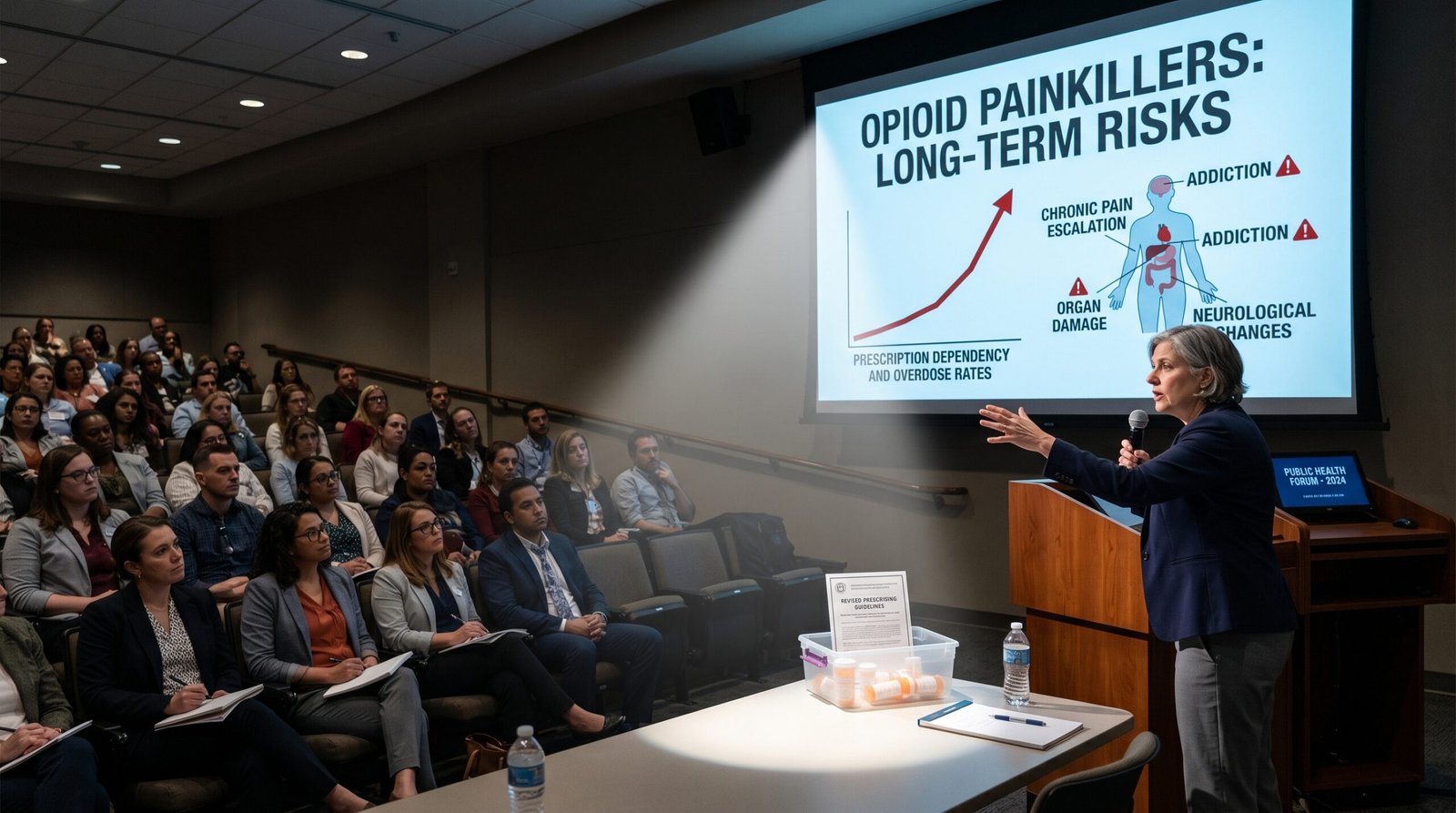
Opioid painkillers never really left the public conversation. They just moved in and out of focus, like a warning light on a dashboard that people notice only when it gets bright again.
Now that light is back on.
In 2025, the U.S. Food and Drug Administration required major labeling changes for opioid pain medications. The goal was to make the long-term risks clearer, especially risks linked to misuse, addiction, overdose, and extended use. The agency said the changes affect all opioid pain medicines and came after a review of data on serious outcomes among people using opioids over long periods.
That sounds technical. Labels, safety language, prescribing information. Not exactly dinner-table talk.
But here’s the thing: labels shape how doctors prescribe, how pharmacists explain risk, how insurers respond, and how patients understand the medicine sitting in their bathroom cabinet. A label is not just fine print. In healthcare, it can steer the whole conversation.
The New Focus Is Not Just Pain, But Time
For years, the public debate around opioid painkillers centered on access and abuse. Were doctors prescribing too much? Were patients with real pain being treated unfairly? Were regulators moving too slowly, or too fast?
Those questions still matter. But the 2025 labeling update points to something more specific: time.
A short course of opioid pain medicine after surgery is not the same as months or years of use for chronic pain. That difference sounds obvious, but in real life, lines blur. A few days can become a few weeks. A refill can become a routine. A routine can become dependence before anyone names it.
The FDA’s update puts more weight on long-term use because that is where the risk profile can change. Higher doses and longer exposure bring more concern. Misuse, addiction, and overdose do not always arrive suddenly. Sometimes they creep in, quietly, behind normal life.
Someone hurts their back. Someone has dental surgery. Someone has a bad fall on a trail or a rough recovery after an operation. Pain is real. Relief matters. But so does the question that often comes later: what happens if the medicine becomes part of daily living?
That is the hard part.
Opioids Still Have a Medical Role
It would be easy to tell a simple story here. Opioids are bad. Avoid them. Case closed.
But that story is too neat, and honestly, pain care is not neat.
Opioid painkillers still play a role in medicine. Severe pain after major surgery, cancer-related pain, trauma injuries, and some acute conditions can require strong medication. Doctors know this. Patients know this too, especially the ones who have been doubled over at 3 a.m. waiting for relief.
The problem is not that opioids exist. The problem is how quickly their benefit-risk balance can shift.
A medicine that helps someone get through a painful week can become dangerous when used longer than expected. A dose that once felt controlled can lose its effect. Some people develop tolerance. Some develop dependence. Some develop opioid use disorder. And some never get a clear warning until they are already in trouble.
That is why the labeling issue matters. It forces the medical system to say the quiet part out loud: long-term opioid therapy carries serious risks, even when treatment starts legally and medically.
For people already living with depression, anxiety, trauma, or alcohol use issues, the risk picture becomes even more layered. Pain and mental health often sit at the same table. They feed each other. They complicate recovery. That is why programs such as Dual Diagnosis Treatment Milford MA are part of the larger conversation around pain, substance use, and emotional health.
The Medicine Cabinet Problem Nobody Likes Talking About
There is another part of this story that feels almost too ordinary: leftover pills.
After surgery or an injury, many people keep unused opioid tablets at home. Not because they plan to misuse them. Usually, they just forget. The bottle gets pushed behind cold medicine, allergy tablets, old vitamins, and that random thermometer that barely works.
But unused pills create risk.
A teen may find them. A friend may ask for one. A person under stress may reach for them during a bad night. Accidental exposure can happen too, especially in homes with children or older adults who take several medications.
This is where the opioid conversation stops being abstract. It is not only about hospitals, policy meetings, or courtroom headlines. It is about kitchen counters, backpacks, bathroom drawers, and families trying to move through life.
You know what? That is why public health warnings sometimes feel repetitive. They repeat because ordinary habits can create real harm.
Opioid painkillers sit in a strange category. They are medical, but they are also social. Their effects move beyond the patient. One prescription can affect a household.
Chronic Pain Patients Are Caught in the Middle
There is a tension here, and it deserves to be treated fairly.
Many people with chronic pain feel judged by the opioid crisis. Some feel abandoned. They hear “risk” and worry it means “no one will treat my pain.” That fear is not imaginary. Patients with severe, long-term pain often describe years of trial and error, paperwork, referrals, medication changes, and awkward conversations where they feel like they have to prove they are not doing anything wrong.
At the same time, clinicians carry pressure from regulators, licensing boards, insurers, and hospitals. They want to reduce harm. They also want to help the person sitting in front of them.
So yes, opioid painkillers are back in the spotlight. But the spotlight is not shining on one villain. It is shining on a system that has to balance relief with safety.
That balance is difficult. Too much prescribing created harm. Too little care can also create harm. Pain can ruin sleep, work, mood, family life, and identity. People stop hiking, driving, cooking, working, or even leaving the house. For a site like Hand in Hand Adventures, this matters because physical freedom is not just about recreation. It is about living in your body without feeling trapped by it.
When pain treatment goes wrong, addiction treatment can become part of the path forward. In many cases, care includes counseling, relapse prevention, family support, and practical tools for rebuilding daily routines. Services such as Addiction Therapy in North Carolina fit into that wider need for support when prescription use, dependence, or substance use begins to affect a person’s life.
Why Labels Can Change Behavior
A medication label does not grab attention like a breaking news alert. It does not trend like a celebrity scandal. But in healthcare, labels matter because they set the official tone.
They tell prescribers what risks to discuss. They guide dosing language. They shape what drug companies must say. They help patients see danger that may not be obvious from the pill itself.
The FDA’s 2025 changes also reflect a bigger shift in how the country talks about narcotic analgesics. The old question was often, “Does this drug stop pain?” Now the question is wider: “What happens after weeks, months, or years?”
That shift matters because pain relief can feel immediate, while risk builds in the background.
It is a bit like taking a mountain road in bad weather. The first few miles may feel fine. The tires grip. The view is beautiful. Then the fog thickens, the road narrows, and suddenly every decision matters more. Opioid treatment can have that same slow change in conditions. What worked early may not stay safe later.
That does not mean panic. It means clarity.
Patients need plain language. Doctors need better data. Families need to understand that addiction is not a character flaw. Pharmacists need room to explain risk without sounding like they are scolding. And policy has to avoid turning every patient into a suspect.
The Bigger Story Is Trust
The opioid crisis damaged trust in many directions.
Patients lost trust in drug companies. Some lost trust in doctors. Doctors lost trust in old prescribing norms. Communities lost trust after watching overdose deaths rise, families break, and treatment systems struggle to keep up.
Now, every new opioid update carries that history with it.
The 2025 labeling changes are not just about wording. They are part of an attempt to rebuild guardrails around medicines that can help and harm. That is a narrow bridge to walk.
And the public is more aware now. People know terms like fentanyl, naloxone, dependence, and withdrawal in a way they did not decades ago. Parents talk to teens about pills. Employers talk about mental health. Schools discuss overdose prevention. Even adventure and travel communities pay more attention to injury recovery, safe medication use, and how pain changes everyday plans.
The conversation has widened because the problem has widened.
For people already dealing with addiction, shame often becomes one of the heaviest barriers. They may wait too long to ask for help. They may fear being judged. They may tell themselves they can handle it alone. But recovery work is not only about stopping a substance. It is also about understanding pain, stress, habits, relationships, and the mental loops that keep a person stuck. That is why resources like Therapy For Addiction Recovery matter in the larger story of opioid risk and healing.
A Spotlight That Is Not Going Away
Opioid painkillers are back in the spotlight because the country is still trying to answer a painful question: how do we treat suffering without creating more suffering?
There is no clean slogan for that. No perfect policy. No single label update can fix decades of harm, confusion, aggressive marketing, under-treated pain, stigma, and uneven access to care.
But clearer warnings are a step toward a more honest conversation.
Long-term opioid use deserves attention because the risks are real. Pain deserves attention because it is real too. The challenge is holding both truths at once without flattening either one.
That is where the story stands now. Not with easy answers, but with sharper language, harder questions, and a public that understands more than it used to.
And maybe that is why this moment matters. The spotlight is not only on the medicine. It is on the choices around it, the people affected by it, and the systems still learning how to handle pain with more care.