
 By admin@handinhandadventures.com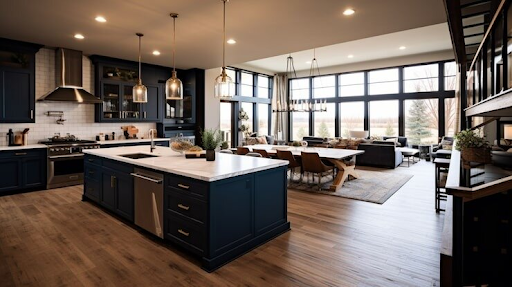
Your kitchen is the absolute center of gravity for your house. It’s where guests hang out during a party, where you scramble to make coffee in the morning, and where real life goes down. Because everyone uses it constantly, jumping into a kitchen remodel is super exciting.
But honestly? It’s also the absolute easiest project to mess up completely. People get totally blinded by shiny tile samples and high-end appliance finishes. They completely forget how a kitchen actually needs to function. Spend a fortune without thinking it through, and you’ll end up with a gorgeous space that drives you crazy every single time you try to cook dinner.
Dodging these massive design blunders takes more than luck. You need a solid strategy and an honest look at the traps that catch regular homeowners off guard. Let’s break down the worst layout, budget, and material mistakes so you can keep your project on the right track.
Mistake 1: Ruining the Natural Flow and Workspace Triangle
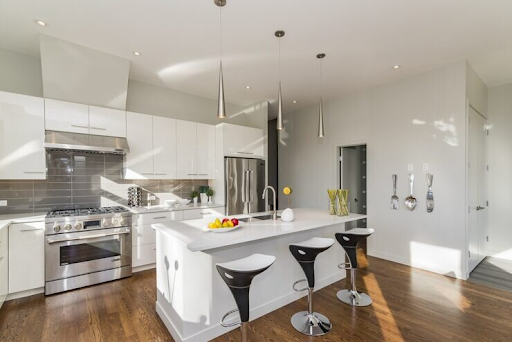
The most common way to tank a kitchen layout is by ignoring how you actually move between your appliances. Pros talk about the “work triangle” all the time, which is just the walking path between your sink, your fridge, and the stove.
If these three things are miles apart, you’ll waste half your night walking laps around the room just to prep a simple meal. But if they’re jammed too close together, you’ll constantly feel trapped, especially if someone else is helping you cook.
- Don’t let a massive island block the straight path between your fridge and your main sink.
- Keep your trash pull-out right next to where you do all your chopping and prep work.
- Leave at least two feet of open counter space on both sides of the stovetop.
- Put the dishwasher right next to the sink so you aren’t dripping water all over the floor.
A bad floor plan will bug you every single day. Look at how you move right now, and build the new space around those specific patterns.
Mistake 2: Cutting Corners on Usable Counter Space
You can never have too much flat workspace. Period. A ton of people end up trading away valuable counter space because they want a giant, double-door fridge or a massive floor-to-ceiling pantry tower.
Then, when they go to bake or chop veggies, they realize they only have a tiny corner of open space left over. That gets old incredibly fast.
- Tuck smaller gadgets like blenders or air fryers away inside a dedicated appliance garage.
- Plan for slightly deeper counters if you’re putting in a massive commercial range.
- Keep decorative clutter away from the immediate sides of your main kitchen sink.
- Think about how much room your daily knife blocks and cutting boards actually swallow up.
Prioritize flat, open prep areas over extra storage cabinets. You need room to move without knocking things over.
Mistake 3: Treating Lighting Like an Afterthought
Placing one cheap light fixture smack dab in the center of the ceiling is a pretty sure way to make an expensive kitchen feel like a dark cave. You really want stacked lighting, not just “a light”…because you’re doing exacting things like slicing and chopping, but you also want the place to feel warm and welcoming, you know
If you don’t map out your lighting plan pretty early on, you’ll be stuck working in your own shadow since the ceiling lights are basically right behind your head, all the time.
- Use bright under-cabinet LED strips so your main counter work areas get clean, clear illumination.
- Set your main ceiling lights on dimmer switches so you can switch moods without changing everything else.
- Hang pendant lights over the island, kind of calm and cool, so they act as a visual “anchor” point.
- Add directional spotlights to highlight a beautiful stone backsplash or even open shelving.
Good lighting makes everyday materials look premium, bad lighting does the opposite… and it can completely undo even the best high-end choices. Sort it out before the walls go up.
Mistake 4: Picking Pretty Looks Over Real-Life Durability
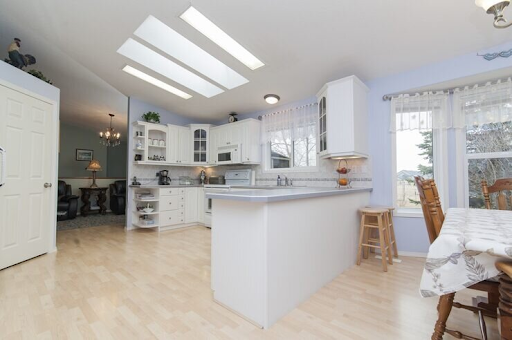
It is easy to fall in love with a delicate, porous white marble slab sitting there in the showroom. It looks incredible under those bright lights, so clean and calm. But if you actually use your kitchen, that stone is going to stain the second someone spills red wine or leaks lemon juice, like instantly.
- Unless you really want the vibe of scratches and patina, you have to be honest with yourself about how much care and upkeep you are willing to do. No fancy denial.
- Go for high-quality quartz or quartzite if what you want is that marble look without the constant stressing.
- Skip the glossy floor tiles unless you enjoy a slip-and-slide moment every time a drop of water lands on them.
- Choose cabinet paints and stains that can take a damp cloth wipe down, like hundreds of times, without freaking out.
- Pick a backsplash that doesn’t mean sealing a million little grout lines that just grab grease like magnets.
Remember, your kitchen is more of a high-traffic workshop than an art gallery. Choose materials that can survive a messy family breakfast, without making your brain feel like it’s on fire.
Mistake 5: Partnering Up with the Wrong Building Team
You can have a flawless set of design blueprints, but if the execution is rushed and sloppy, the whole remodel will feel like a waste of cash. A real luxury kitchen remodel needs a sharp eye for detail that some ordinary neighborhood handyman just doesn’t really have.
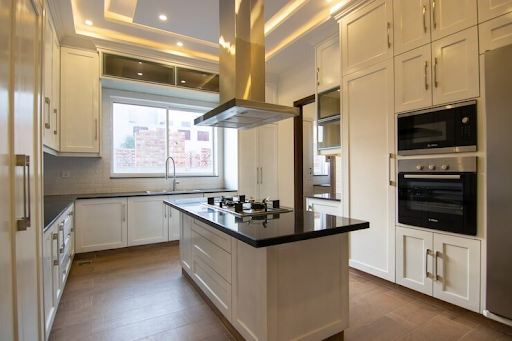
You need a specialist kitchen remodel contractor in Los Angeles who knows how to get those heavy cabinet doors lined up, run code-approved gas plumbing without playing it loose, and deal with massive stone slabs safely. Trying to save a few bucks on bargain labor is a quick route to stretching your timeline and then paying more later just to undo mistakes.
- Check out their recent portfolio specifically for custom kitchen builds, not just general repairs.
- Ask if a dedicated manager will be on-site to handle the daily subcontractors.
- Make sure they’re fully licensed, bonded, and know the ins and outs of local codes.
- Only work with a kitchen remodeling company that gives you a transparent breakdown of costs.
Take your time during the interview process. The right builder changes the whole experience from a living nightmare into a fun project.
Finding the Best Professionals for the Job
Knocking down walls and moving thick plumbing around is a pretty big headache, and it can get out of hand really quickly. In the real world, crews like Black Wall Builders actually make money dealing with this kind of wild, heavy lifting day after day.
Wrapping It Up
A standout kitchen remodel isn’t just about throwing the most cash at a wall. It’s more about choosing smart, practical stuff, before any demolition even starts. Try to keep your work route close and clear, guard your counter space as it matters, and grab materials that match how you live day to day.
If you stay patient and you bring in a team that pays attention to the small, picky details, you’ll end up with a beautiful room that works hard and stays as your most used spot in the house for years.
Frequently Asked Questions
What is the most efficient layout for a busy kitchen?
The best setup tends to keep the fridge, sink, and stove in a tight, clear triangle, you know, one of those simple work loops. Also, try not to add huge obstacles like an oversized island or structural posts that sneak into your line when you’re carrying hot pans or bags of heavy groceries.
How do I stop my kitchen budget from blowing up?
You really should lock in all material decisions before the crew even thinks about swinging a sledgehammer. If you keep changing your mind about cabinet styles, drawer pulls, or appliance sizes mid-project, costs usually climb fast, like out of nowhere.
Why do people pick quartz over natural marble counters?
Marble is kind of soft, and it absorbs liquids really fast. So it can stain, and it can scratch almost immediately. Quartz is engineered to be totally non-porous. It deals with hot pans, quick knife bumps, and everyday spills without asking you for special sealers or extra rituals.
How many weeks does a full kitchen remodel take?
Most normal kitchen overhauls run about six to twelve weeks after demolition day. It can stretch longer if you’re waiting on custom imported cabinets, moving load-bearing walls, or rerouting the whole plumbing footprint instead of keeping it pretty much as-is.
What should I ask a contractor before signing a contract?
Ask for their active license, proof of insurance, and references tied to kitchen projects they finished within the last year. And before you hand over a deposit, make sure they provide a clear written schedule, plus an itemized cost breakdown, in plain language.