
 By admin@handinhandadventures.com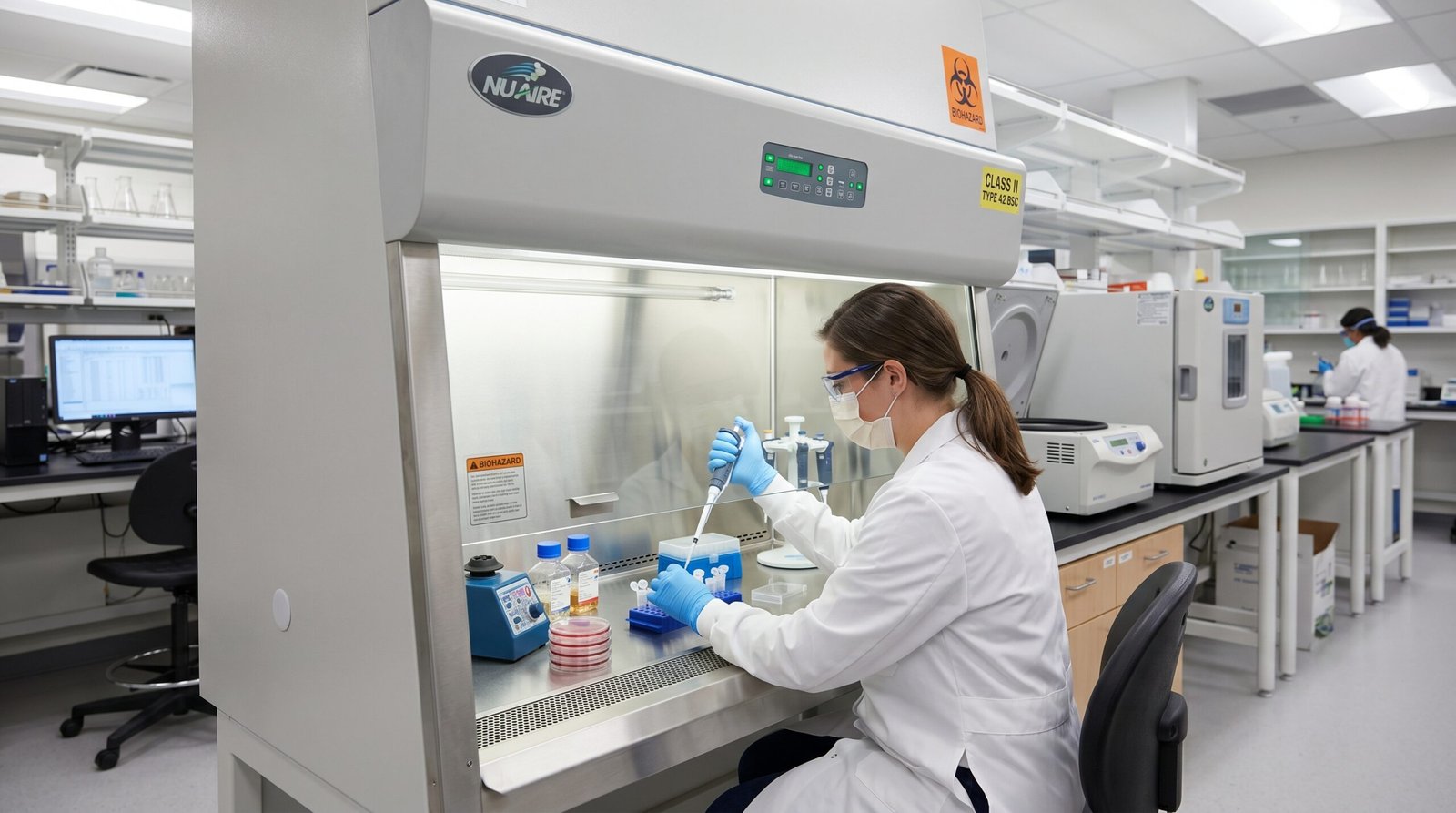
Laboratory safety remains a critical priority in healthcare, pharmaceutical research, biotechnology, and academic institutions worldwide. Scientists and laboratory professionals handle hazardous biological materials daily, which creates the need for advanced containment solutions. A Biological Safety Cabinet (BSC) plays a vital role in protecting personnel, samples, and the surrounding environment from contamination.
Modern laboratories depend on reliable safety equipment to maintain sterile working conditions while reducing exposure risks. Companies like Topair Systems continue delivering innovative laboratory safety solutions designed for high-performance environments. Their advanced Biological Safety Cabinets support laboratories that require precision, cleanliness, and international safety compliance.
What Is a Biological Safety Cabinet (BSC)?
A Biological Safety Cabinet, commonly called a BSC, is a specialized enclosed laboratory workspace designed to safely handle biological materials. These cabinets use high-efficiency particulate air (HEPA) filtration systems to control airflow and prevent contamination.
Unlike standard laboratory hoods, a BSC protects three important areas simultaneously:
- The laboratory worker
- The biological sample
- The surrounding environment
Biological Safety Cabinets are widely used in microbiology laboratories, pharmaceutical manufacturing facilities, research institutions, and hospitals.
Why Biological Safety Cabinets Are Important
Handling infectious agents or hazardous biological substances without proper containment can create severe health risks. A Biological Safety Cabinet minimizes exposure by controlling airflow and filtering airborne contaminants effectively.
Laboratories use BSCs to:
- Prevent contamination of sensitive samples
- Protect workers from airborne pathogens
- Maintain sterile testing environments
- Meet biosafety regulations and compliance standards
- Improve overall laboratory efficiency
As laboratories continue expanding research capabilities, the demand for advanced containment equipment increases significantly.
Types of Biological Safety Cabinets
Different laboratory applications require different levels of protection. Biological Safety Cabinets are categorized into several classes based on airflow design and protection levels.
Class I Biological Safety Cabinets
Class I cabinets provide personnel and environmental protection but do not protect the product itself. These cabinets are commonly used for low-risk procedures involving biological agents.
Class II Biological Safety Cabinets
Class II BSCs are the most commonly used cabinets worldwide. They provide protection for personnel, products, and the environment simultaneously.
These cabinets are ideal for:
- Cell culture research
- Microbiology testing
- Pharmaceutical applications
- Diagnostic laboratories
Many laboratories choose advanced Class II systems from Topair Systems because they combine energy efficiency, ergonomic design, and reliable contamination control.
Class III Biological Safety Cabinets
Class III cabinets provide the highest level of containment. They are completely enclosed and gas-tight systems designed for extremely hazardous biological agents.
These cabinets are typically used in:
- High-containment laboratories
- Infectious disease research
- Biosafety Level 4 environments
Key Features of a High-Quality Biological Safety Cabinet
Modern Biological Safety Cabinets include advanced technologies that improve both safety and operational efficiency.
HEPA Filtration Systems
HEPA filters capture airborne particles with exceptional efficiency. These filters remove harmful contaminants and maintain clean airflow inside the cabinet.
Controlled Airflow Design
Proper airflow management prevents cross-contamination and protects laboratory personnel from exposure to hazardous substances.
Ergonomic Construction
Comfortable working conditions reduce operator fatigue during long laboratory procedures. Adjustable workspaces and low-noise systems improve productivity significantly.
Energy Efficiency
Energy-saving technologies help laboratories reduce operational costs while maintaining high-performance containment standards.
Applications of Biological Safety Cabinets
Biological Safety Cabinets support a wide range of scientific and medical applications.
Pharmaceutical Laboratories
Pharmaceutical companies use BSCs for sterile drug preparation, vaccine research, and microbiological testing.
Research Institutions
Universities and research centers rely on Biological Safety Cabinets for genetics, virology, and biotechnology studies.
Healthcare Facilities
Hospitals and clinical laboratories use BSCs to process infectious samples safely while protecting healthcare professionals.
Biotechnology Industries
Biotech companies require contamination-free environments for cell culture development and advanced biological research.
Choosing the Right Biological Safety Cabinet
Selecting the correct Biological Safety Cabinet depends on several factors.
Laboratories should consider:
- The type of biological material handled
- Required biosafety level
- Laboratory space availability
- Airflow configuration
- Certification standards
- Maintenance requirements
Trusted manufacturers like Topair Systems offer a wide range of Biological Safety Cabinets designed to meet varying laboratory requirements efficiently.
Maintenance and Certification Requirements
Routine maintenance ensures optimal cabinet performance and long-term reliability. Laboratories should perform regular inspections and certification procedures according to international standards.
Important maintenance practices include:
- HEPA filter testing
- Airflow verification
- Surface decontamination
- Electrical system inspection
- Annual certification
Proper maintenance reduces contamination risks and extends equipment lifespan.
Biological Safety Cabinet vs. Laminar Flow Cabinet
Many people confuse Biological Safety Cabinets with laminar flow cabinets, but these systems serve different purposes.
A laminar flow cabinet protects the product only, while a Biological Safety Cabinet protects:
- The operator
- The sample
- The environment
This distinction makes BSCs essential for handling hazardous biological materials.
Why Laboratories Choose Topair Systems
Laboratories worldwide prioritize safety, reliability, and efficiency when selecting containment equipment. Topair Systems has built a strong reputation by providing advanced laboratory solutions that meet international safety standards.
Their Biological Safety Cabinets offer:
- Advanced HEPA filtration
- User-friendly operation
- Energy-efficient performance
- Durable construction
- Modern ergonomic designs
- International compliance certifications
These features help laboratories maintain safe and productive working environments.
Future Trends in Biological Safety Cabinets
Laboratory technology continues evolving rapidly. Future Biological Safety Cabinets will likely include:
- Smart monitoring systems
- Touchscreen control panels
- Improved airflow automation
- Enhanced energy-saving features
- Remote performance monitoring
As biosafety standards become stricter, manufacturers will continue developing innovative containment solutions for modern laboratories.
Conclusion
A Biological Safety Cabinet remains one of the most important safety tools in scientific and medical laboratories. These systems protect personnel, preserve sample integrity, and maintain clean working environments during critical procedures.
Choosing a high-quality Biological Safety Cabinet improves laboratory safety, operational efficiency, and regulatory compliance. Companies like Topair Systems continue supporting laboratories worldwide with advanced containment technologies designed for modern research and healthcare environments.