
 By admin@handinhandadventures.com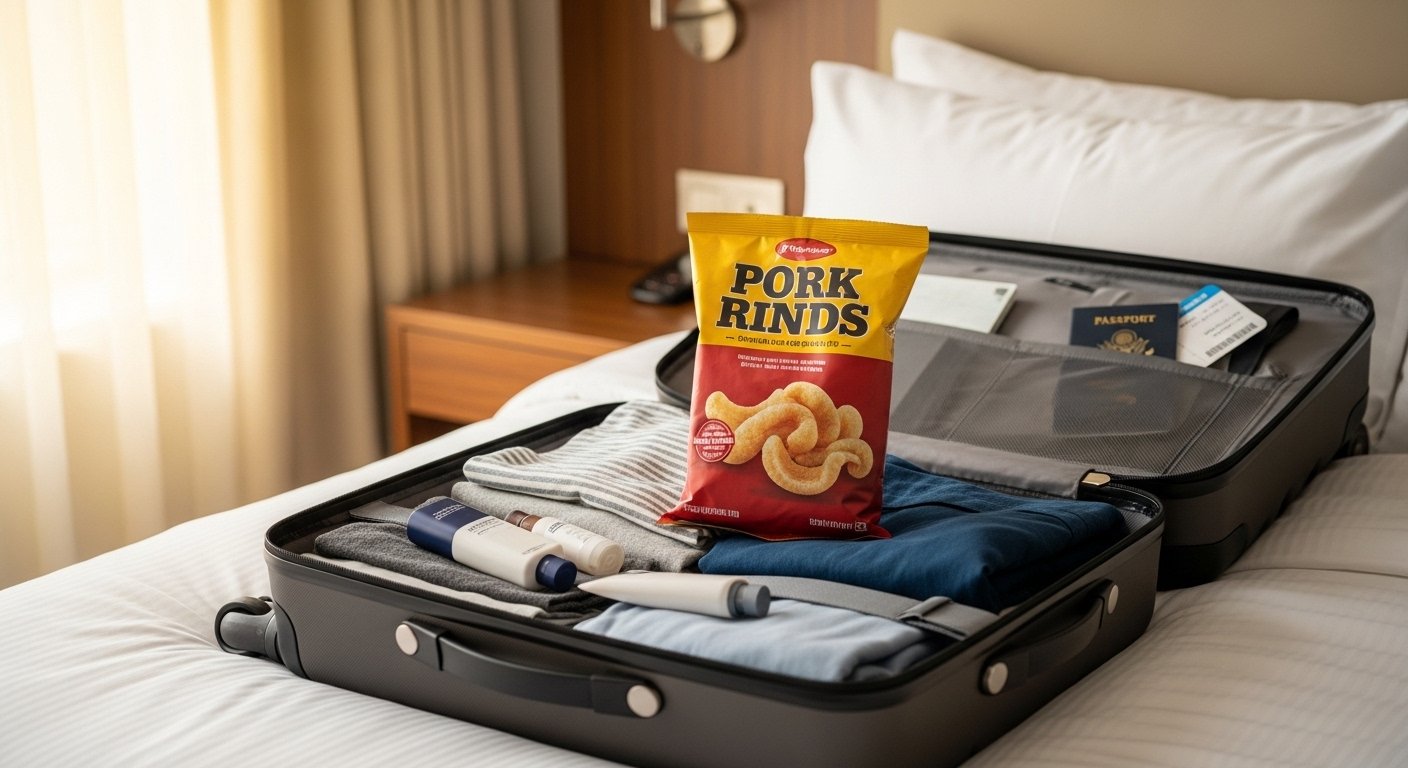
Somewhere between the airport food court and the gas station snack aisle sits the reality of modern travel snacking. Most of what’s on offer isn’t great, and the best options come with a short shelf life.
That’s part of why packing your own snacks has become a quiet travel skill. A good bag of almonds, a hard cheese that travels, a piece of fruit that can take a few hours in a backpack without turning. Most people have their staples. The surprise entry in that list, for a growing number of travelers, is pork rinds.
They don’t sound like an adventure snack. The reputation is gas-station junk food, something you grab because the options were worse. But the category has moved further in the last few years than most people realize, with small-batch producers putting out flavors like spicy dill, hot honey, and hatch chile, and ingredient panels that read a lot cleaner than what people associate with the old bag behind the counter.
What Makes Them Work on the Road
The practical case starts with how they travel. A sealed bag of pork rinds can sit in a backpack for a week and be fine. They don’t need a cooler, they don’t bruise, and they hold their crunch better than almost anything else you’d bring. Airport security doesn’t look twice. You can forget one in the bottom of a carry-on and find it two trips later still ready to eat.
Then there’s the nutrition side. Per USDA FoodData Central, a one-ounce serving of fried pork rinds runs about 17 grams of protein, 9 grams of fat, and zero carbs. That’s a meaningful amount of protein for a snack that weighs almost nothing and takes up less space than a paperback book. For anyone trying to avoid the sugar-carb spiral that airport snacking usually sends you into, the math is clear.
The third piece is satisfaction. This is the one most people overlook until they’ve tried it. Pork rinds are filling in a way that a handful of crackers isn’t. The combination of protein and fat keeps hunger quiet for longer than the calorie count suggests. On a six-hour drive or a long layover, that matters.
Where They Earn Their Spot
Road trips are the easy case. Throw a bag in the center console and snack on them through a stretch of highway, and you won’t need to stop just because the blood sugar crashed. They pair well with coffee for the morning haul and with an iced drink for the afternoon one.
Hiking day trips are where the travel-size bags earn their keep. Light, crushable but not fragile, and high enough in calories per ounce to be worth their weight. Better than a granola bar for a lunch break at altitude. A handful with some dried fruit and a piece of hard cheese is a pretty complete trail snack.
Airports are where they quietly dominate. Picture a three-hour ground delay at the gate, past the last hot meal you could reasonably grab, with the kiosks down to the dregs and nothing but pretzels on the plane once you finally board. That’s when the small bag at the bottom of your carry-on stops being a backup and starts being the only thing standing between you and ordering something regrettable on arrival. Security sees them as solid, not liquid. Flight attendants don’t care if you crunch something that doesn’t smell. They take the edge off a delay and don’t leave you feeling heavy before a red-eye.
Kids’ snack duty is a wildcard that surprises parents who try it. A bowl of pork rinds hands a kid something crunchy and salty with real protein, without the crash that comes with the usual chip options. For parents trying to keep screen-time snacking from turning into pure sugar, they’re a solid rotation item.
Pairings That Work in a Travel Bag
A few simple combinations cover most travel snacking needs.
A small bag of pork rinds and a hard cheese, something like a sharp cheddar or a piece of manchego, makes a real protein moment without a cooler. The Harvard T.H. Chan School of Public Health Nutrition Source notes that higher-protein snacks tend to support longer satiety than carb-dominant options, which is the whole game on a travel day when meals are unpredictable.
Pork rinds with a packet of almond butter or peanut butter is not a typical pairing but is surprisingly good. The salty-crunchy to fatty-sweet axis works. Think of it as the travel version of a charcuterie board.
Pork rinds with olives and a few pieces of jerky are a solid airport lounge move if you’ve brought your own. Three savory, protein-dense snacks that play well together and cover a few hours of grazing without making you feel heavy.
Pork rinds with hot sauce packets from your favorite taco spot, kept in a ziplock, is a weird one but worth trying. The acidity wakes up the salt and the crunch.
What to Look for When You Buy
Specialty online retailers, like the Porkrinds shop, carry a wider range of flavors and brands, which helps if you want to try more than the standard sea salt variety. Once you’re past that first decision, a few quick things separate a good bag from a forgettable one.
Ingredient list. Pork skins, oil, salt, and seasonings you can pronounce. That’s it. If the list is twelve items long and half of them are acid regulators and artificial flavors, keep moving.
Sodium. Some brands are reasonable. Some are closer to a salt lick. Check the label, especially if you’re watching blood pressure.
Oil. Sunflower oil, coconut oil, or the pork’s own rendered fat are all solid choices. Avoid anything fried in cheap seed oils if you have the option.
Size. For travel, single-serving bags beat family-size bags because you’re not fighting crumbs in the bottom of a backpack. Some producers sell multi-pack sampler boxes of single-serves, which is what you want.
The Short Version
Pork rinds have been a travel snack for a lot longer than most people realize. What’s new is that they’re finally worth packing on purpose. Shelf-stable, high in protein, zero carb, no cooler needed, no fragility, no mess if you buy the right format. The modern small-batch versions taste better than the reputation suggests, and they hold up in a bag longer than almost anything else you’d put in there.
Next trip, throw a sampler pack in the carry-on. You’ll eat them before the suitcase comes back.