
 By admin@handinhandadventures.com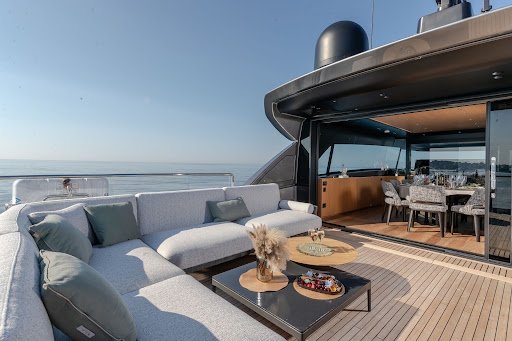
Sardinia is one of those places that only fully makes sense from the water. The Costa Smeralda, the granite islets of La Maddalena and the coves south of Olbia are either hard to reach by road or simply invisible from it. That is why chartering a yacht with a full crew has become the preferred way to explore the island for travellers who can afford it. Planning one is less complicated than most people expect, provided you understand how the process works and what the price actually covers.
Where do you start?
The first decision is not the boat. It is the region, the dates and the size of your group, because those three factors determine everything else. Most crewed charters around the island concentrate on the northeast coast, between Olbia and the Maddalena archipelago, with frequent crossings toward Bonifacio and southern Corsica.
The simplest route to a well-matched vessel is working through a broker rather than contacting owners one by one. When booking a yacht charter in Sardinia through a brokerage, you describe your group, your budget and the atmosphere you want, and the broker shortlists yachts whose crew, layout and style fit the brief. Brokers also handle the contract, the payment schedule and the paperwork required under Italian regulations, which saves a considerable amount of back and forth.
Season matters more than many first-timers realise. Late spring to early autumn offers the best combination of warm water and stable weather. In the strait of Bonifacio, the mistral can blow at any time of year, and an experienced captain will quietly adjust the route around it.
What does the charter rate actually cover?
This is the part that surprises people. The weekly rate you see advertised covers the yacht itself, its equipment and the services of the captain, chef and crew. Running costs come on top through the APA, the advance provisioning allowance, usually set at 25 to 30 percent of the charter rate. It works like an expense account: fuel, food, drinks, marina fees and mooring buoys are drawn from it, and whatever remains is returned to you at the end.
Two more lines complete the budget. Charters starting in Italy carry VAT, generally 22 percent, sometimes reduced depending on the itinerary. Crew gratuity is discretionary but customary, typically 10 to 15 percent of the base rate in the Mediterranean when the service has been good.
For fully crewed motor yachts in the 30 to 35 metre range, weekly rates in Sardinia commonly start around 65,000 to 90,000 euros. Cannes-based brokers such as Arthaud Yachting position their Sardinia fleet exactly in that segment, with yachts hosting up to twelve guests in four or five cabins, which is the legal maximum for most charter vessels.
How do you choose the right yacht?
Cabin count and layout matter more than length. Two families travelling together have different needs from a couple celebrating an anniversary or a company hosting clients. Look at the crew-to-guest ratio as well, since five or six crew members serving twelve guests is what allows the chef to cook to your preferences and the deckhands to run the water toys all afternoon.
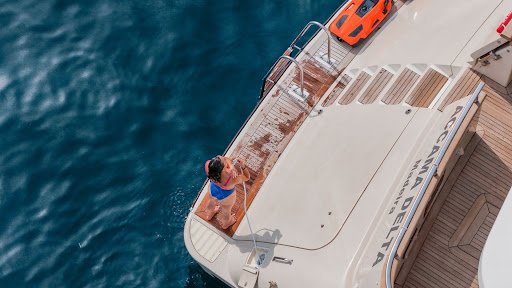
Ask about those toys, by the way. Tenders, paddleboards, seabobs and diving gear vary considerably from one yacht to another, and they shape how your days on anchor actually feel.
Dietary preferences deserve a conversation before departure too. On a crewed charter the chef builds the menus around you, from provisioning in local markets to pairing Sardinian wines with dinner, so the more precise your preference sheet, the better the week tastes.
What does a typical week look like?
A classic itinerary departs from Olbia or Porto Cervo, spends two or three days weaving through the Maddalena islands, crosses to Bonifacio for a night beneath the Corsican citadel, then returns along the Costa Smeralda with long stops in quiet bays for swimming and lunch on deck. The final routing is always agreed on board with the captain, who adapts it to the weather and to your mood. That flexibility is precisely what you are paying for.
Evenings alternate between dinners prepared by the chef at anchor and meals ashore in harbour towns, where the crew books tables and handles the tender transfers.
When should you book?
Early. The Sardinian season is short and the best crewed yachts are reserved six to twelve months ahead, especially for July and August and for dates overlapping major Mediterranean events. Booking in winter for the following summer gives you the widest choice of vessels and the calmest negotiation on rates.
Plan those elements in the right order, region and dates first, budget structure second, yacht last, and a crewed charter in Sardinia becomes a remarkably simple holiday to organise. The complicated part is going home afterwards.