
 By admin@handinhandadventures.com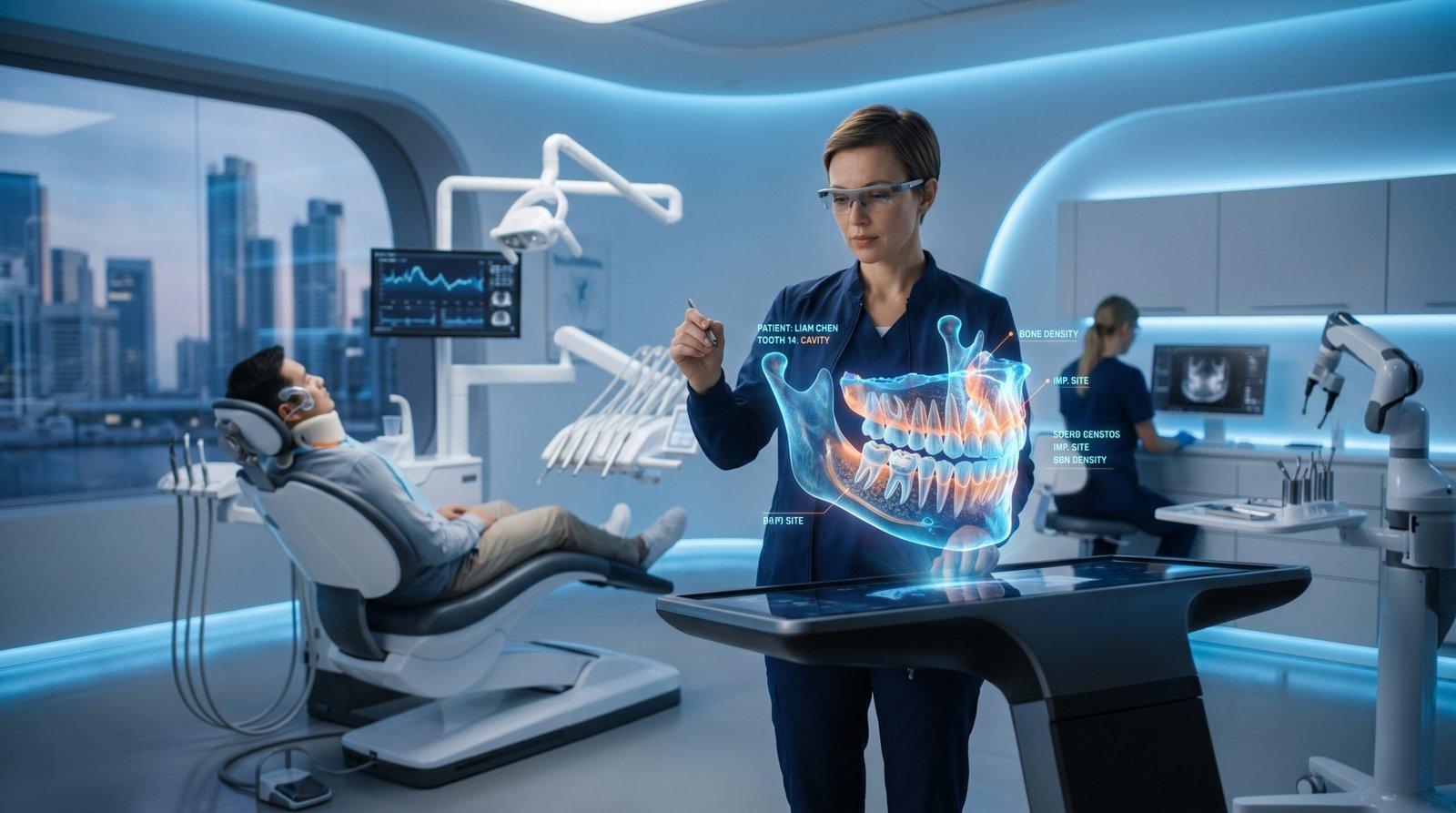
A dental recommendation should not feel like it was pulled from a template. Two people can have similar crowding, chipped teeth, or cosmetic concerns and still need very different plans. One person may need a simple repair, while another may need gum care, bite evaluation, or orthodontic planning first.
That is the idea behind personalized dentistry. It looks at the person behind the smile, including health history, anatomy, habits, comfort level, schedule, and long-term goals. The result is not automatically more treatment. In many cases, the best plan is the one that solves the real problem with the least unnecessary work.
Personalized Care Starts With The Person
Personalized dental care begins with a basic question: what is actually going on for this patient? A dentist may look at tooth position, gum health, jaw relationship, past dental work, and daily habits before suggesting a procedure. That wider view can make treatment feel less random and more connected to the patient’s life.
This approach also fits into a broader shift toward modern wellness innovations that treat people as individuals rather than categories. In dentistry, that might mean considering whether a patient grinds their teeth, struggles with cleaning crowded areas, feels anxious during appointments, or wants a plan that can be completed in stages. None of those details are side notes. They can shape what makes a treatment practical.
A personalized plan may consider:
- Tooth and gum health
- Bite and jaw relationship
- Grinding or clenching habits
- Comfort with treatment time
- Budget and maintenance needs
- Personal goals and concerns
Technology Makes Dental Choices Easier To Understand
Digital tools have changed the way dentists explain treatment. Scans, photos, 3D imaging, and planning software can make invisible problems easier to see. The connection between cosmetic dentistry and modern technology is not only about creating better-looking smiles. It can also help patients understand why one option may be more suitable than another.
A digital scan might show how teeth meet when someone bites down. Photos can reveal wear patterns, gum changes, or old restorations that are hard to describe with words alone. A treatment preview can help set expectations before a patient commits to a plan.
Technology still has limits. A screen can show possibilities, but it cannot decide what matters most to the person in the chair. The best use of these tools is to support a clearer conversation, not to replace professional judgment.
Orthodontic Plans Should Balance Space, Bite, And Breathing
Orthodontics is often described as a way to straighten teeth, but that is only part of the picture. Braces, aligners, retainers, and other adult orthodontic treatment options are tools for addressing space, bite, function, and long-term stability. A smile can look straighter and still need careful planning if the bite, gums, or jaw relationship are not being considered.
Crowding is a good example. One patient may have mild crowding that can be managed with aligners. Another may have limited space, gum concerns, or bite issues that make the plan more complex. That is why orthodontic recommendations should be explained in terms of the problem they are solving.
In crowded cases, bicuspid extraction planning may involve more than simply making room for teeth. Space needs, tooth position, facial balance, gum support, breathing considerations, and long-term stability can all be part of the discussion. The important point is not that one approach is always right. It is that the reason behind the recommendation should be clear.
Useful questions include:
- What problem is this plan solving?
- Are there non-extraction alternatives?
- What are the benefits and trade-offs?
- How will this affect my bite and maintenance?
- What happens if treatment is delayed?
Restorative Choices Depend On Health, Habits, And Timing
Restorative dentistry also benefits from a personal approach. Fillings, crowns, veneers, implants, and bonding are not chosen by appearance alone. A dentist may consider how much natural tooth remains, whether the gums are stable, how the bite forces land, and how easy the restoration will be to clean.
A small chip may need a simple bonding repair. A cracked tooth under heavy bite pressure may need something stronger. A patient who grinds at night may need a different plan from someone with the same visible damage but a lighter bite.
Timing matters as well. Some patients may do best with treatment in stages, especially when cost, healing, or other health needs are involved. Others may benefit from addressing a problem sooner to avoid repeated repairs later. Personalized planning does not always mean doing more. Sometimes it means choosing the simplest option that can hold up over time.
Better Questions Lead To Clearer Dental Decisions
Patients do not need to memorize dental terminology before an appointment. They do need to understand why a recommendation is being made and what choices are realistically available. Good science-based oral health information can support that conversation, but it works best alongside an exam and a plain-English explanation from the dentist.
The most helpful questions are often simple:
- What problem are we trying to solve?
- What are my options?
- What are the benefits and downsides of each choice?
- What happens if I wait?
- How will this affect daily life?
- How will we measure success?
Instead of asking only, “Do I need this?” a patient might ask, “What makes this the best option for my mouth?” That small shift can lead to a calmer conversation. It also helps separate urgent treatment from optional improvements.
Personalized Dentistry Still Needs Honest Expectations
Personalized care does not mean perfect, fastest, or cheapest. It means the plan is shaped around the person and the clinical details that matter most. Even with a custom plan, everyday oral health guidance still comes back to consistent basics: cleaning well, preventing disease, keeping appointments, and asking questions early.
Follow-through matters. Aligners must be worn as directed, restorations need cleaning, and gums need regular care. A slower plan may sometimes be the better choice if it protects tooth structure, improves comfort, or fits the patient’s routine.
Personalized dentistry also works best when expectations are honest. A treatment can improve function or appearance without being instant or permanent. Good care is usually a partnership between planning, professional skill, and daily habits.
Conclusion
Personalized dentistry helps patients understand the “why” behind their care. It looks beyond a single procedure and considers health, function, comfort, timing, and long-term maintenance.
Before agreeing to treatment, remember to:
- Ask what problem the plan is solving
- Compare benefits and trade-offs
- Consider comfort, cost, timing, and upkeep
- Choose care based on clear facts and realistic expectations
The best dental plan is not always the most advanced one. It is the one that fits the person.