
 By admin@handinhandadventures.com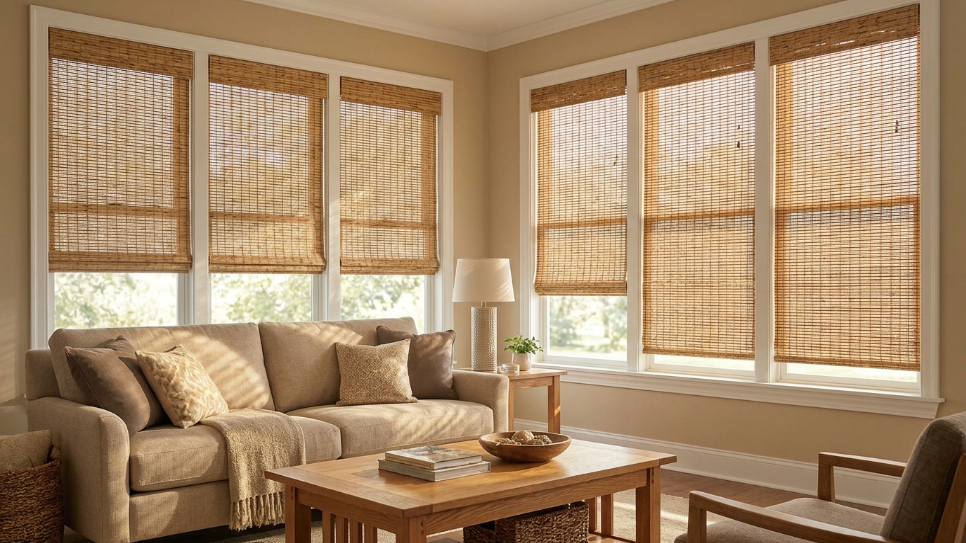
Most people pick window blinds the same way they pick a paint color. Walk into the store, look at the samples, choose something that looks fine, install it. The result usually is fine, but rarely matches the way each room gets used day to day.
The thing is, every room in a home has different needs. The bathroom doesn’t need what the living room needs. The kids’ room doesn’t need what the home office needs. Picking blinds that fit each room separately, rather than buying the same style for every window in the house, makes the day-to-day life of the home noticeably better.
This isn’t an upgrade most people think hard about, which is partly why most homes settle for blinds that work but don’t fit the room well. There’s no shortage of customizable options on the market. A selection like custom window blinds by Blindster is a useful starting point because it shows just how many room-specific variations exist beyond the standard one-size-fits-everything default.
Here’s a practical room-by-room breakdown of what to consider, and why some materials and styles work better than others depending on the space.
Living Rooms and Family Rooms
These are the rooms that get the most visual attention from guests, so the look matters more than in private spaces. They’re also the rooms where light control needs to be flexible, since the room gets used at different times for different things. The room might be used for reading in the morning, screen time in the evening, or hosting people on a weekend.
Faux wood blinds tend to be the workhorse choice. They look like real wood, hold up to humidity and sunlight without warping, and the slats tilt in ways that let in light without sacrificing privacy. Real wood blinds are a step up in appearance, with a richer grain and slight color variation that feels more premium, though they cost more and aren’t as forgiving in rooms that get heavy direct sun.
For larger windows or sliding glass doors, vertical blinds remain a practical option, though they’ve fallen out of fashion in some design circles. Interior shutters are the higher-end alternative that fits these openings well.
Bedrooms
Bedrooms have two main needs that the living room doesn’t share: better light blocking and better privacy. The window is closer to where people sleep and dress, which raises the stakes on both fronts.
A blackout option matters here, whether that’s a layered approach (blinds plus drapes) or a single product designed to block all incoming light. Faux wood and real wood blinds tilt closed for privacy, but the slats themselves still let some light through.
For bedrooms specifically:
- Consider top-down/bottom-up styles that let in light from above while keeping the lower portion private
- Cordless lift options are recommended in any room where children sleep
- Pairing wood blinds with a blackout curtain layer is a common solution for bedrooms that get morning sun
Kitchens and Bathrooms
These rooms have one shared problem: moisture. Steam from cooking, humidity from showers, splashing from the sink. Real wood blinds and natural fibers don’t hold up well in either room.
Faux wood blinds, vinyl blinds, and aluminum mini-blinds are the durable options. Faux wood looks the best of the three but costs more. Vinyl is the budget-friendly choice that wipes clean easily. Aluminum mini-blinds are slim and unobtrusive, which works well in smaller windows like the one above a kitchen sink.
The cleaning question matters more in kitchens than people expect. Grease eventually settles on any surface near the stove. A blind that wipes clean with a damp cloth is going to look better five years from now than one that has to be deep-cleaned regularly.
Kids’ Rooms and Nurseries
Window covering safety is a serious factor in any room a child uses. The U.S. Consumer Product Safety Commission has documented incidents involving corded blinds, and cordless options are now widely available across most styles and price points.
A few specific recommendations for kids’ rooms:
- Choose cordless lift mechanisms for all blinds within reach
- Keep cribs and beds away from windows with any cord access
- Consider motorized options for hard-to-reach windows that would otherwise require cords for height
Beyond safety, kids’ rooms often benefit from blackout options because little ones tend to be more sensitive to light during sleep than adults are. Naps during daylight hours are easier when the room can be properly darkened.
Home Offices
Home offices have a specific problem: screen glare. Direct sunlight on a monitor makes it hard to see, and the wrong window covering either doesn’t address the glare or creates a cave-like effect that feels oppressive after a few hours of work.
The trick is light control with tilt. Faux wood blinds with adjustable slats let direct light be redirected away from the screen while still keeping the room bright enough to feel like a real workspace. Roller shades with a light-filtering fabric can work too, though they don’t offer the same fine-tuned control as tilting slats.
Interior designers often suggest layered window treatments for spaces that serve more than one function. The American Society of Interior Designers is a useful resource for finding qualified professionals if a more complex room setup calls for outside guidance.
Materials at a Glance
For anyone overwhelmed by the options, a simplified version:
- Faux wood: Most versatile, looks like real wood, holds up well in humid rooms
- Real wood: Premium look, best in dry rooms, more expensive
- Vinyl: Budget-friendly, easy to clean, good for kitchens and bathrooms
- Aluminum: Slim profile, durable, good for small windows
- Roller shades: Modern look, available in many fabrics and opacities
- Cellular shades: Soft fabric appearance, fold up compactly
Most homes end up with a mix. Faux wood throughout the main living spaces, vinyl in the bathroom, and a blackout option in the bedrooms is a common combination that covers most real-world needs.
Measuring Is Where Most Mistakes Happen
Custom-sized blinds work better than off-the-shelf ones because the fit is exact. Off-the-shelf blinds are sized in even increments that rarely match a window’s real dimensions, which means they hang loosely or sit at awkward angles.
The trade-off is that custom blinds require precise measurements. The most common errors:
- Measuring the window opening instead of the blind size for outside-mount installations
- Not accounting for window frame depth on inside mounts
- Forgetting to measure each window individually (windows in the same house aren’t always the same size)
- Skipping the measurement at the top, middle, and bottom of the window, which can vary in older homes
Most reputable companies offer free samples, easy returns, or both. Use them. A blind that looks right on a screen can look wrong on the window.
The Right Blinds Make a Room Feel Finished
Window treatments are easy to overlook in a home setup because they’re functional first. Done well, though, they’re one of the elements that make a room feel more finished and comfortable.
A room-by-room approach takes more thought up front than buying one style for the whole house. It also tends to age better, because each room gets what it needs rather than a compromise that doesn’t quite fit anywhere.