
 By admin@handinhandadventures.com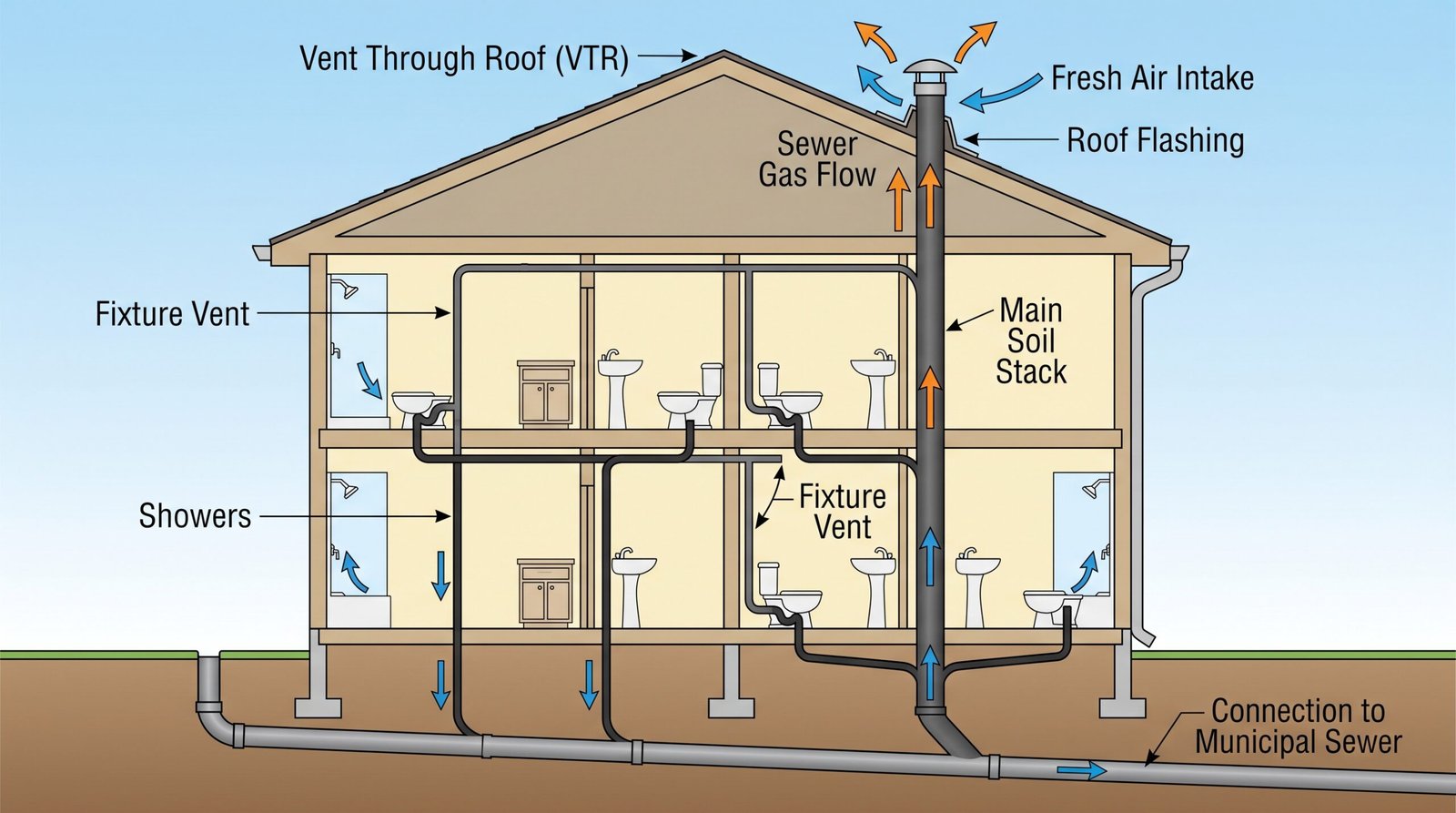
Plumbing is far more than just pipes carrying water in and out of your home. Behind the walls and above the ceilings, there’s an intricate network of ventilation that keeps everything flowing smoothly and safely. If you’ve ever come across the abbreviation VTR on a plumbing diagram or building plan and wondered what it means, you’re not alone. This is one of the most commonly searched plumbing terms, and understanding it is essential for homeowners, DIY enthusiasts, and anyone involved in construction or renovation projects.
In this comprehensive guide, we’ll explain what VTR means in plumbing, how it works, why it’s important, and everything else you need to know about this critical component of your home’s drainage system.
What Does VTR Stand For in Plumbing?
VTR stands for Vent Through Roof. It refers to a vent pipe that extends vertically from a building’s drainage system up through the roof, terminating in open air above the roofline. This pipe is a fundamental part of the Drain-Waste-Vent (DWV) system found in virtually every residential and commercial building.
The VTR serves two primary purposes:
- Allowing air into the drainage system to maintain proper atmospheric pressure, which enables wastewater to flow freely through the pipes.
- Releasing sewer gases and odours safely into the atmosphere above the building, rather than allowing them to back up into living spaces.
You may also hear VTR referred to as a “roof vent,” “plumbing vent stack,” or simply a “vent stack.” On architectural and plumbing blueprints, it is almost always abbreviated as VTR.
How Does a VTR Work?
To understand how a VTR works, it helps to think about what happens when you pour water out of an upside-down bottle. The water glugs and struggles to flow because air can’t get in to replace the liquid leaving the bottle. If you poke a hole in the bottom of the bottle (now facing upward), air rushes in and the water pours out smoothly.
Your home’s plumbing system works on exactly the same principle. When water rushes down a drain — whether from a toilet flush, a running shower, or a kitchen sink — it creates a vacuum effect in the pipes behind it. Without proper ventilation, this vacuum could:
- Siphon water out of P-traps, which are the U-shaped pipe sections beneath sinks, showers, and bathtubs that hold a small amount of water to block sewer gases from entering your home.
- Slow down or stop drainage, causing water to back up in sinks, tubs, and toilets.
- Create gurgling sounds in your drains as air struggles to find its way into the system.
The VTR pipe solves all of these problems by providing a dedicated pathway for air to enter the system from above. As water flows downward through waste pipes, air flows in through the VTR to equalize pressure, allowing gravity to do its job efficiently.
Components of a VTR System
A typical VTR installation includes several key components:
- The Vent Stack This is the main vertical pipe that runs from the lowest point of the drainage system all the way up through the roof. In many homes, the vent stack is also connected to the main soil stack (the large pipe that carries waste from toilets to the sewer or septic system).
- Branch Vents These are smaller pipes that connect individual fixtures (sinks, showers, bathtubs) to the main vent stack. They ensure that every fixture in the home has adequate ventilation.
- The Roof Penetration Where the vent pipe passes through the roof, it requires a waterproof seal — typically a rubber boot or flashing — to prevent rainwater from leaking into the building around the pipe.
- The Vent Cap or Terminal The top of the VTR pipe is usually left open or fitted with a weather guard that allows air to flow freely while preventing debris, birds, or rodents from entering the system.
Why Is the VTR So Important?
The VTR is one of those plumbing components that most homeowners never think about — until something goes wrong. Here’s why it’s absolutely critical:
Prevents Sewer Gas Exposure Sewer gases contain harmful substances including methane, hydrogen sulphide, and ammonia. A properly functioning VTR ensures these gases are vented safely above the roofline, where they dissipate harmlessly into the atmosphere rather than accumulating inside your home.
Maintains Trap Seals Every drain in your home has a P-trap that holds water to create a seal against sewer gas. Without proper venting from the VTR, the vacuum created by flowing water can siphon this protective water barrier away, leaving your home vulnerable to foul odours and potentially dangerous gas exposure.
Ensures Efficient Drainage Proper ventilation allows wastewater to flow at its intended rate. Without it, you’ll experience slow drains, frequent clogs, and backups that can lead to costly damage.
Meets Building Code Requirements In the UK, the Building Regulations (Part H) and in other countries, local plumbing codes mandate proper ventilation for all drainage systems. A VTR is typically required for compliance, and failing to install one can result in failed inspections and legal issues when selling a property.
Common VTR Problems and How to Spot Them
Even though VTR pipes are relatively simple in design, they can develop issues over time. Here are the most common problems homeowners face:
Blocked Vent Pipes Leaves, bird nests, ice (in cold climates), and other debris can block the opening of a VTR pipe on the roof. Signs of a blocked vent include gurgling drains, slow drainage throughout the house, and sewer smells indoors.
Cracked or Damaged Pipes Older homes with cast iron or clay vent pipes may develop cracks over time due to age, temperature fluctuations, or settling of the building. This can allow sewer gases to escape into wall cavities or attic spaces.
Failed Roof Flashing The rubber boot or flashing around the roof penetration can deteriorate over the years, allowing rainwater to leak into the building. This is one of the most common causes of unexplained roof leaks.
Improper Installation If a VTR is installed with incorrect pipe sizing, inadequate height above the roofline, or improper slope on connecting branch vents, it may not function effectively. Building codes typically require the vent to extend at least 150mm above the roof surface and be positioned away from openable windows and air intakes.
VTR vs. AAV: What’s the Difference?
You may have also heard of an AAV (Air Admittance Valve), sometimes called a “Durgo valve” or “studor vent.” This is an alternative to a traditional VTR in certain situations.
An AAV is a mechanical device that opens to allow air into the drainage system when negative pressure is detected, then closes to prevent sewer gases from escaping. While AAVs can be useful in situations where running a vent pipe through the roof is impractical (such as in kitchen islands or basement renovations), they have limitations:
- They cannot replace the main VTR in a building — at least one vent through the roof is almost always required by building regulations.
- They are mechanical devices that can fail over time, unlike a simple open pipe.
- They do not vent sewer gases to the outside — they only allow air in, meaning gases can still accumulate if trap seals fail.
In most cases, a properly installed VTR remains the gold standard for plumbing ventilation.
VTR Installation: Key Considerations
If you’re building a new home, extending your property, or renovating your plumbing system, here are essential considerations for VTR installation:
Pipe Sizing The diameter of the VTR pipe must be appropriate for the number of fixtures it serves and the volume of waste flowing through the system. In the UK, a 100mm diameter pipe is standard for the main vent stack in residential properties.
Height and Position The vent must terminate above the roofline at a height that complies with local building regulations — typically at least 900mm above any opening window within 3 metres horizontally.
Material Selection Modern VTR installations typically use uPVC (unplasticised polyvinyl chloride) pipes, which are lightweight, durable, corrosion-resistant, and easy to work with. Older properties may have cast iron or lead vent pipes that should be inspected regularly.
Weather Protection A properly fitted roof flashing or weathering slate is essential to prevent water ingress where the pipe penetrates the roof covering.
Maintenance Tips for Your VTR
Keeping your VTR in good working order is relatively straightforward:
- Visually inspect the roof vent opening at least once a year (or have it checked during routine roof maintenance) to ensure it’s clear of debris.
- Listen for gurgling sounds in your drains, which can be an early warning sign of a blocked vent.
- Check the roof flashing around the vent pipe for signs of deterioration, cracking, or lifting, especially after severe weather.
- Don’t ignore sewer smells inside your home — they often indicate a venting problem that needs professional attention.
- Hire a qualified plumber if you suspect any issues with your VTR system, as working at height on a roof and dealing with drainage systems requires expertise and appropriate safety measures.
Frequently Asked Questions About VTR in Plumbing
Can I cap or cover my VTR pipe? You should never completely seal a VTR pipe, as this would prevent it from functioning. However, mesh guards or bird cages can be fitted to keep debris and animals out while still allowing free airflow.
How many VTR pipes does a house need? Most standard residential properties have one main VTR (often combined with the soil stack), though larger homes or those with complex plumbing layouts may require additional vent pipes.
Is a VTR required by law? Yes, in most jurisdictions, building regulations require adequate ventilation for drainage systems, and a VTR is the standard method of achieving this compliance.
Can a blocked VTR cause a toilet to not flush properly? Absolutely. A blocked vent can create negative pressure that slows flushing, causes incomplete flushes, or creates air locks in the waste pipes.
Conclusion
Understanding what VTR means in plumbing — and why it matters — empowers you as a homeowner to identify potential problems early, communicate effectively with tradespeople, and make informed decisions about your property’s drainage system. The Vent Through Roof pipe is a silent hero of your home’s plumbing infrastructure, working 24/7 to keep air flowing, drains running, and harmful gases safely out of your living spaces.
Whether you’re planning a renovation, troubleshooting a plumbing issue, or simply expanding your knowledge of how your home works, the VTR is a concept worth understanding thoroughly.
For more expert advice on home improvements, interior design inspiration, and practical tips for creating a comfortable living space, visit Home Comfort Experts. This fantastic resource provides home décor and home design tips inspired by celebrity homes, along with valuable knowledge about home improvements that can help you transform your property into the comfortable, stylish haven you deserve. From plumbing upgrades to stunning interior makeovers, Home Comfort Experts is your go-to destination for all things related to making your house truly feel like home.