
 By admin@handinhandadventures.com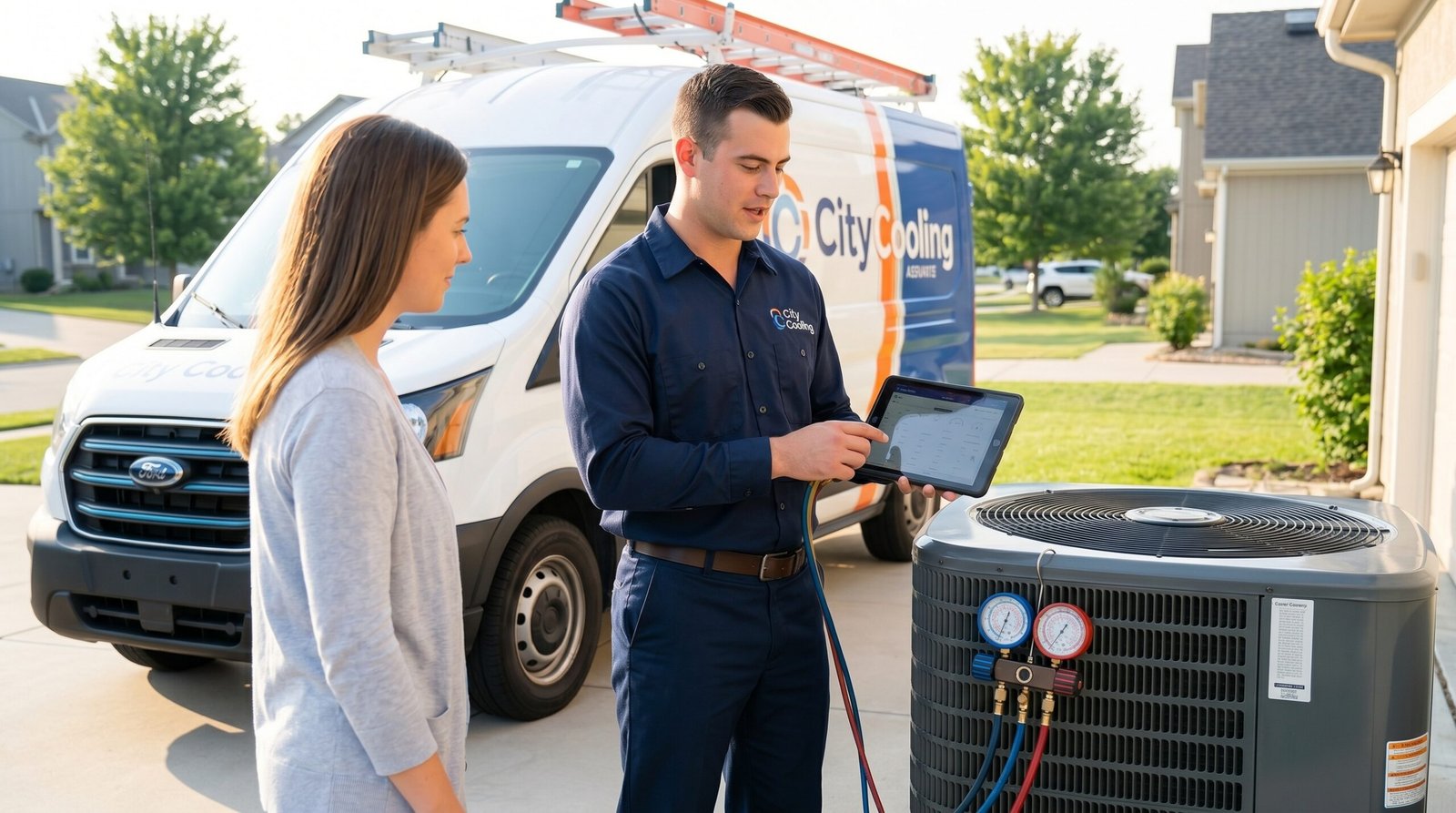
A full inspection of a cooling system follows a structured process to evaluate how well each component functions under normal operating conditions. Home cooling systems rely on steady performance, and a full inspection helps reveal how well each part is functioning. During a complete evaluation, technicians examine electrical connections, airflow patterns, refrigerant levels, and system controls to ensure everything operates smoothly. Homeowners can expect a structured process that identifies hidden issues and highlights areas that need attention before they lead to costly breakdowns.
The inspection also provides clarity on the system’s age and efficiency, helping to guide future maintenance decisions. Understanding what happens during this visit reduces uncertainty and prepares property owners for practical recommendations and possible adjustments to their cooling system setup and overall readiness.
Overview of the inspection process
-
System evaluation and initial checks
During a full inspection, the initial stage focuses on evaluating the overall condition of the cooling system. Technicians typically begin by observing the outdoor and indoor units to determine whether any visible wear, dust buildup, or physical damage may be affecting performance. Electrical panels are opened to check wiring stability and ensure there are no signs of overheating or corrosion. Air filters are also examined since restricted airflow often leads to uneven cooling throughout the property. Drain lines are inspected to confirm that moisture flows properly and that there are no blockages that could cause leaks or indoor humidity issues.
This early stage lays the foundation for deeper analysis by identifying obvious concerns before more technical measurements are taken. Homeowners may notice that this step is largely observational yet highly important for assessing system health and identifying immediate maintenance needs. Documentation is usually recorded for later technical review and comparison.
-
Deeper mechanical and electrical review
Technicians then move into a more detailed phase in which mechanical and electrical components are carefully reviewed to assess how efficiently the system operates under normal conditions. This stage often includes testing voltage levels, checking the thermostat’s response, and measuring refrigerant pressure to confirm the system is balanced. Airflow consistency across different rooms is also assessed to determine whether ductwork or internal components are affecting distribution. Any irregular sounds from the compressor or fan motors are noted since they can indicate developing mechanical strain. At this point, Air conditioning contractor services play an important role in diagnosing subtle issues that may not be visible during initial checks. Sensors and control boards are evaluated for accuracy to ensure that temperature readings align with actual room conditions. This stage provides a clearer picture of performance efficiency and helps identify adjustments needed to restore balanced operation throughout the system. Technicians also verify safety controls carefully.
-
Airflow and duct performance analysis
Another important phase of a full inspection involves examining airflow distribution and the condition of duct systems that carry cooled air throughout the property. Technicians measure airflow at various vents to determine whether each room receives consistent cooling or if certain areas are receiving reduced output. Uneven airflow often points to hidden duct leaks, blockages, or poor insulation that reduces system efficiency. The inspection may also include checking duct joints and seals to ensure that air is not escaping before it reaches the intended spaces.
Temperature differences between rooms are recorded to identify patterns that could indicate a system imbalance. In some cases, internal duct cleaning is recommended when dust or debris restricts airflow and reduces indoor comfort. This phase helps connect system performance with physical air pathways, making it easier to understand how structural elements influence overall cooling distribution. Data collected supports further maintenance planning and system optimization decisions later.
-
Thermostat and control accuracy checks
Technicians also pay attention to thermostat behavior and system controls to ensure accurate communication between user settings and the cooling response. The thermostat is tested for responsiveness to temperature adjustments, confirming that it triggers system activity without delay or inconsistency. Calibration checks are performed to verify that displayed readings match actual room conditions, preventing discomfort caused by inaccurate feedback. Wiring connections behind the control unit are inspected to ensure stable communication with the main system components. In some situations, outdated thermostats may contribute to irregular cooling cycles, making it harder to maintain steady indoor temperatures.
The inspection may also involve reviewing programmable settings to confirm they align with household usage patterns. By analyzing how control systems interact with mechanical components, technicians can better understand whether performance issues originate from user interfaces or deeper system functions. This ensures reliable cooling operation under varying daily conditions and supports overall long-term system stability.
-
Refrigerant system assessment
A critical part of the inspection process involves assessing the refrigerant system, which directly influences how effectively the cooling unit absorbs and releases heat. Technicians check refrigerant levels using pressure gauges to ensure the system contains the appropriate amount for efficient operation. Low refrigerant levels often lead to weak cooling output, while excessive levels can strain internal components and shorten system lifespan. Signs of leaks are also investigated, including oil residue near connections or inconsistent cooling performance across cycles. Temperature readings at various points in the system help determine whether heat exchange is occurring as intended. If irregularities are found, further diagnostic steps may be recommended to locate the source of imbalance.
This stage is essential because refrigerant issues can gradually affect both comfort levels and energy consumption without being immediately noticeable to occupants. Proper documentation helps guide future service decisions and system adjustments as needed, improves overall efficiency, and supports effective, long-term outcomes.
A full air conditioning inspection provides valuable insight into how a cooling system is performing and what conditions may affect its reliability over time. By examining mechanical parts, electrical connections, airflow distribution, and refrigerant levels, technicians can identify both visible and hidden issues that influence comfort and efficiency.
The process also helps property owners understand how each system component contributes to overall performance. Clear feedback from the inspection allows for informed decisions about maintenance and future improvements. With a complete evaluation, the system can continue operating more consistently, supporting stable indoor conditions and reducing the likelihood of unexpected breakdowns throughout the year, and improving overall efficiency.