
 By admin@handinhandadventures.com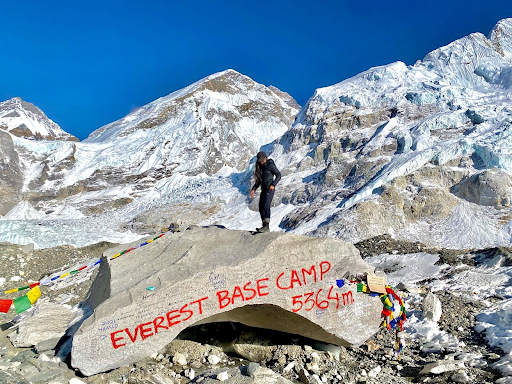
Nepal is the dream land for every traveler who loves mountains, silence, and deep feelings of nature. Here you find big peaks, small villages, smiling people, and paths that take you into the heart of the Himalayas. Two treks stand at the top of the list: one is the Everest Base Camp Trek, and the second is the Annapurna Base Camp Trek, especially the short 7-day version, which many people are now choosing.
Both treks are different but also the same in feeling. One gives you the world’s highest mountain close-up view; the other gives you a deep valley and big mountain circle view. This article will explain all things a visitor wants to know before planning in a simple but deep way.
Understanding the Nepal Trekking Experience
Trekking in Nepal is not just walking. It is a slow journey where every step shows something new. Sometimes you walk in the forest, sometimes on rocks, sometimes in snow, and sometimes in small villages where life is very simple.
You meet locals who live a very hard life but are always smiling. You eat simple food like dal bhat, but the taste becomes special because of your tired body. Nights are cold; days can be sunny or cloudy. Everything is changing, and that is beauty.
Everest Base Camp Trek – The Legendary Journey
What is the Everest Base Camp Trek?
The Everest Base Camp Trek is the most famous trekking route in the world. It takes you close to Mount Everest, the highest peak on earth. People from every country come here just to see that big mountain with their own eyes.
This trek usually starts from Lukla after a short flight from Kathmandu. From there, you walk through villages like Phakding, Namche Bazaar, Tengboche, and Dingboche and finally reach base camp.
Highlights of Everest Base Camp Trek
This trek is full of highlights; every day gives a new view and new feeling.
- walking through Sagarmatha National Park
- crossing suspension bridges above rivers
- seeing the Mount Everest, Lhotse, and Nuptse peaks
- visiting Namche Bazaar, a busy mountain town
- spiritual feeling at Tengboche Monastery
- reaching Everest Base Camp itself
- sunrise view from Kala Patthar
The moment when you see Everest clearly, it feels like a dream becomes real. Even if the weather is cold and the body is tired, the heart becomes very happy.
Trek Difficulty and Duration
This trek is not easy but also not impossible. Many beginners complete it with good preparation.
- duration: around 12 to 14 days
- altitude: up to 5,364 meters
- difficulty: moderate to challenging
Walking hours can be long, sometimes 6 to 8 hours a day. Altitude is the biggest challenge, because air becomes thin. So acclimatization days are very important.
Best Time for Everest Trek
Timing is very important for a good experience.
- spring (March to May): best season, clear sky, flowers blooming
- autumn (September to November): best visibility, stable weather
Winter is too cold, and the monsoon season brings rain and clouds, so it’s not very good for views.
Food, Accommodation, and Cost
On this trek, you stay in tea houses. Rooms are simple but comfortable enough.
Food is basic but good:
- dal bhat
- noodles
- soups
- tea and coffee
The cost depends on style, but the average budget is medium to high because of flight and long duration.
7 Days Annapurna Base Camp Trek – Short but Powerful Adventure
What is the 7-day Annapurna Base Camp Trek?
The 7-day Annapurna Base Camp Trek is a shorter version of the famous Annapurna Base Camp route. It is perfect for people who have less time but still want a big mountain experience.
In just 7 days, you walk through green forests and rivers and reach base camp surrounded by Annapurna peaks.
Route Overview
This trek usually starts from Pokhara, which is a beautiful city near a lake.
common route:
- Pokhara to Jhinu or Siwai
- trekking through Chhomrong
- then Bamboo, Deurali
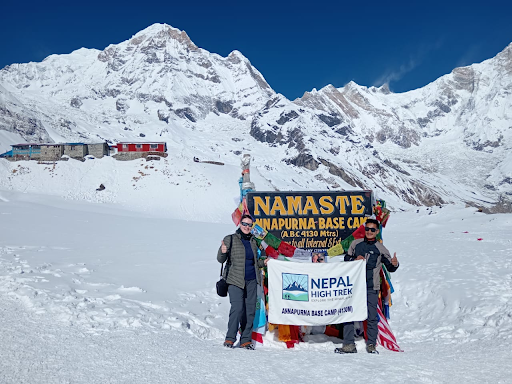
- finally reach Annapurna Base Camp
and return the same or slightly different path.
Highlights of 7 Days Annapurna Trek
This short trek gives many strong experiences in limited time.
- close view of Annapurna I, Machhapuchhre
- natural hot springs at Jhinu Danda
- walking in rhododendron forests
- local Gurung culture in villages
- sunrise and sunset views at base camp
The base camp here is like a natural stadium, surrounded by mountains from all sides. It is very beautiful and peaceful.
Difficulty and Fitness Level
This trek is shorter but still needs good energy.
- duration: 7 days
- altitude: around 4,130 meters
- difficulty: moderate
less altitude than the Everest trek, so altitude sickness risk is lower. but still need proper pacing.
Best Time for Annapurna Trek
The same seasons work best:
- spring: colorful flowers and warm weather
- autumn: clear skies and best mountain views
Winter is possible but cold; the monsoon is wet and slippery.
Food, Stay, and Budget
Tea houses are also available here, sometimes even better than the Everest region.
food options:
- dal bhat
- pasta
- fried rice
- pancakes
The budget is lower compared to the Everest trek because no expensive flight is needed.
Comparing Everest Base Camp vs. Annapurna Base Camp
Both treks are amazing, but the choice depends on what you want.
Duration
The Everest trek is long and needs around 2 weeks. Annapurna’s short trek is just 7 days, good for a quick trip.
Difficulty
Everest is more difficult because of the high altitude. Annapurna is easier but still challenging.
Scenery
Everest gives the highest-mountain feeling. Annapurna gives closer and greener views.
Cost
The Everest trek is expensive. The Annapurna trek is more budget-friendly.
Preparation Tips for Both Treks
Before going, some preparation is very important.
Physical Fitness
Start walking daily and do some cardio. Strong legs help a lot.
Packing Essentials
- good trekking shoes
- warm clothes
- sleeping bag
- water bottle
- first aid kit
Packing light but smart is the best idea.
Altitude Awareness
Always listen to your body. If a headache or dizziness happens, take rest. Do not rush.
Hiring Guide or Solo
You can go with a guide or solo. A guide makes the journey easier and safer. Solo trekking is possible but needs experience.
Cultural Experience on the Trails
Trekking is not only mountains; it is also culture.
You will see:
- Buddhist monasteries
- prayer flags
- local traditions
- simple lifestyle
People are very kind and welcoming. Even with language barriers, smiles connect everyone.
Why These Treks Are So Popular
There are many treks in the world, but these two are special.
The Everest Base Camp Trek is a dream because of Mount Everest. It is like touching the sky.
Annapurna Base Camp Trek is loved because of beauty and accessibility. It gives a full Himalayan feeling in a short time.
Safety and Travel Tips
Always travel with care.
- Check weather before trekking.
- drink enough water
- avoid alcohol at high altitudes
- keep travel insurance
Safety first, always, because mountains are beautiful but also powerful.
Final Thoughts
If you want a big adventure and have enough time, Everest Base Camp Trek is the best choice. It is a long journey but unforgettable.
If you want a shorter but still deep experience, the 7-day Annapurna Base Camp Trek is perfect. It gives you everything in compact time.
Both treks will change you. After coming back, you will not be the same person. Mountains teach patience, strength, and peace.
So choose your path, pack your bag, and start your journey. Nepal is waiting for you, with open arms and high peaks.
Booking Process by Nepal High Trek:
To book any of these treks tours through Nepal High Trek Pvt.Ltd , begin by contacting them via email at info@nepalhightrek.com or phone or WhatsApp at +977-9851142116 to discuss your preferred dates, group size, and specific needs. They will provide a detailed itinerary covering these trek’s duration, highlights, cost, and inclusions such as a guide, porter, meals, accommodation, and transportation.
Prior to the trek, you will receive a comprehensive pre-trek briefing with essential information on packing, fitness preparation, and altitude acclimatization. The agency will finalize all logistical arrangements, including transportation, accommodation, and permits, to ensure everything is in place for your trek. Upon arrival in Nepal, the team will ensure that all aspects of the trek are organized, providing you with a smooth and unforgettable experience on these tre