
 By admin@handinhandadventures.com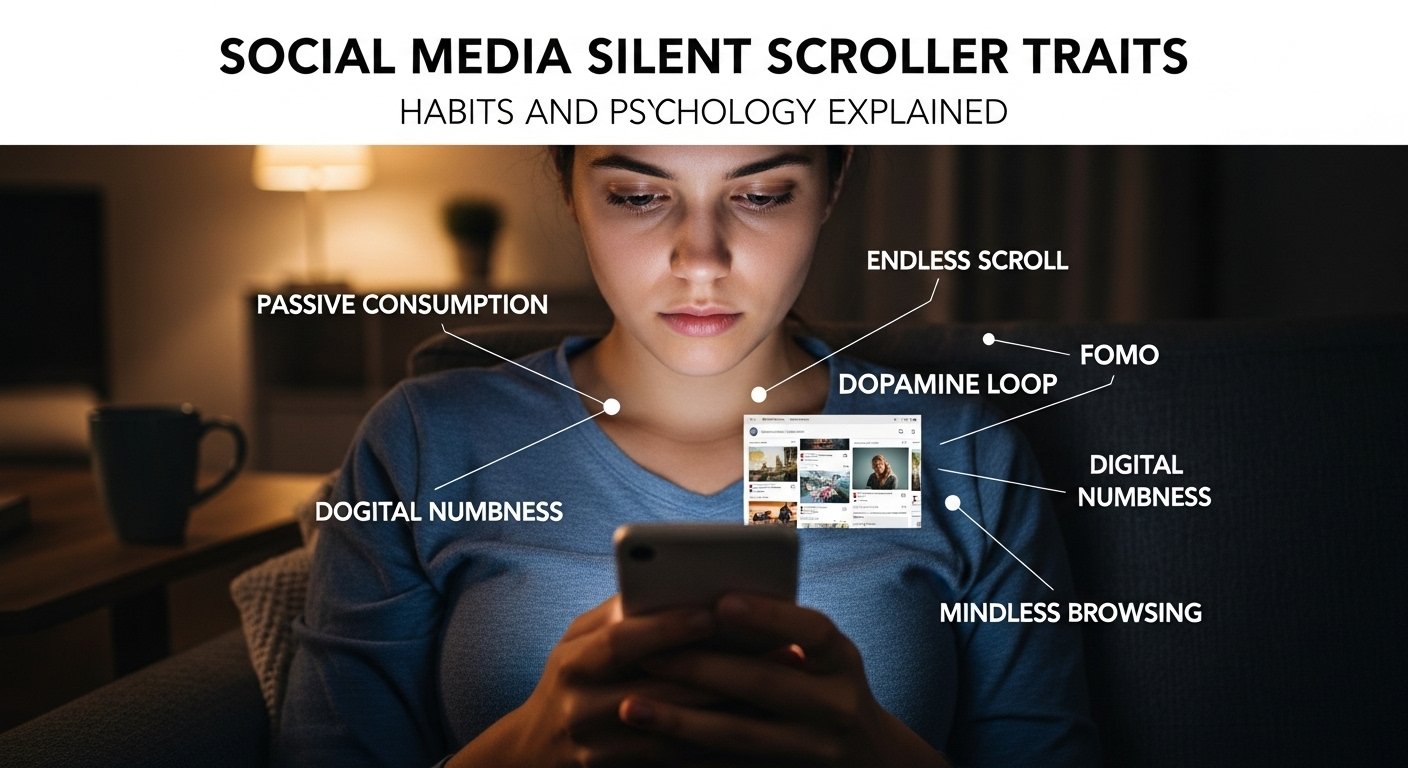
Scrolling through social media feeds has become a daily ritual for millions. You know the drill: thumb flicks up, engaging with posts just long enough to absorb the visuals but not quite enough to dive deeper. This phenomenon of “silent scrolling” is more common than you might think.
Have you ever found yourself mindlessly moving from one post to another? It’s almost hypnotic—a digital dance that offers a fleeting sense of connection without really connecting at all. But what drives this behavior? What are the traits that define these silent scrollers among us?
As we navigate this intricate web of content, it’s essential to explore how our habits shape our interactions and influence our well-being. Let’s unravel the traits associated with social media silent scrollers and understand their impact on our lives.
The Impact of Social Media on Our Daily Lives
Social media has transformed how we interact and communicate. It connects us instantly with friends, family, and even strangers across the globe. This constant connectivity can feel comforting but also overwhelming.
Scrolling through feeds has become a daily ritual for many. We consume endless streams of content—photos, videos, news updates—all while sitting at home or on the go.
Yet this digital engagement often comes at a cost. Real-life conversations may take a back seat to online interactions. The depth of our relationships might suffer as likes replace genuine connections.
Additionally, social media shapes our perceptions of reality. It influences trends and opinions rapidly, creating an ever-shifting landscape that’s hard to navigate.
For some, it offers inspiration and motivation; for others, it fosters anxiety and comparison. Understanding these dynamics is crucial in today’s society as we strive for meaningful connections amidst the noise.
Habits and Behaviors of Silent Scrollers
Silent scrollers often glide through social media feeds without engaging. They soak in information but rarely interact with posts. This passive consumption shapes their online experience.
Many silent scrollers develop a routine. They check their favorite platforms during quiet moments, like commuting or waiting in line. The habit becomes ingrained, turning into an automatic behavior.
Scrolling can become mindless, leading to hours lost in a digital world. Instead of contributing thoughts or likes, they observe from the sidelines—an invisible audience amid vibrant discussions.
Curiosity plays a key role too; these individuals are drawn to captivating images and headlines yet hesitate to voice opinions publicly. Fear of judgment may inhibit participation.
This silent engagement creates a unique landscape where users feel connected without truly connecting, navigating vast networks while remaining on the periphery of active discourse.
The Psychological Reasons behind Silent Scrolling
Silent scrolling often stems from a desire for escape. It serves as a distraction from daily stressors, allowing users to momentarily forget their responsibilities.
The brain craves novelty, and social media provides endless streams of content. This constant influx can trigger dopamine responses, reinforcing the habit of scrolling without engagement.
Many silent scrollers may feel overwhelmed by life’s demands. Scrolling becomes an easy way to fill time while avoiding deeper emotional connections or real-life interactions.
Interestingly, fear of missing out (FOMO) plays a role too. Users worry about being left behind in conversations or trends yet choose to observe rather than participate actively.
Many find comfort in anonymity on these platforms. Watching others can feel safer than sharing one’s thoughts or experiences openly online.
Effects on Mental Health and Well-Being
Silent scrolling can have profound effects on mental health. As individuals consume endless streams of curated content, feelings of inadequacy often creep in. It’s easy to compare oneself to the seemingly perfect lives displayed online.
This habit can lead to increased anxiety and depression. The constant exposure to highlight reels reinforces negative self-perception. Users may feel isolated despite being connected digitally.
Moreover, silent scrollers tend to disengage from real-life interactions. This detachment diminishes social skills and creates a sense of loneliness. The irony is that while they scroll through others’ experiences, they’re missing out on their own.
Sleep patterns also suffer due to excessive screen time at night. Blue light from devices disrupts circadian rhythms, leading to fatigue and irritability during the day.
Understanding these consequences is vital for those who find themselves lost in the digital abyss. Recognizing the impact on mental well-being can be a first step toward healthier habits.
Tips for Breaking the Habit of Silent Scrolling
Set specific time limits for your social media usage. Use apps that track screen time and send reminders when you exceed your limit.
Create a distraction-free zone by putting your phone away during key activities, like meals or conversations. This helps reinforce mindful engagement in the moment.
Replace silent scrolling with intentional activities. Read a book, go for a walk, or explore hobbies that ignite your passion.
Engage actively on social platforms rather than passively consuming content. Comment thoughtfully and connect with friends to foster meaningful interactions.
Consider scheduling designated times for checking updates. This can help control urges while allowing you to stay informed without excessive scrolling.
Reflect on what triggers the urge to scroll silently. Understanding these cues can empower you to make conscious choices about how you spend your digital time.
Conclusion: Finding a Balance in Our Digital Lives
Achieving a healthy balance in our digital lives is essential. Social media can enhance our connections and provide entertainment, but it also has the potential to create unhealthy habits like silent scrolling. Recognizing the traits of social media silent scrollers allows us to take conscious steps toward change.
By understanding the impact of social media on our daily routines, we can better navigate its influence. Building awareness around our habits will empower us to make more intentional choices regarding our online engagement.
Adopting healthier behaviors might involve setting time limits for social media use or curating feeds that inspire and uplift rather than drain energy. Taking breaks from screens and engaging with real-world activities can rejuvenate mental health.
Finding this equilibrium isn’t about completely cutting ties with technology but learning how to enjoy it in moderation. By prioritizing genuine interactions over passive consumption, we cultivate richer experiences both online and offline. Balancing these two worlds leads not only to greater satisfaction but also contributes positively to overall well-being.