
 By admin@handinhandadventures.com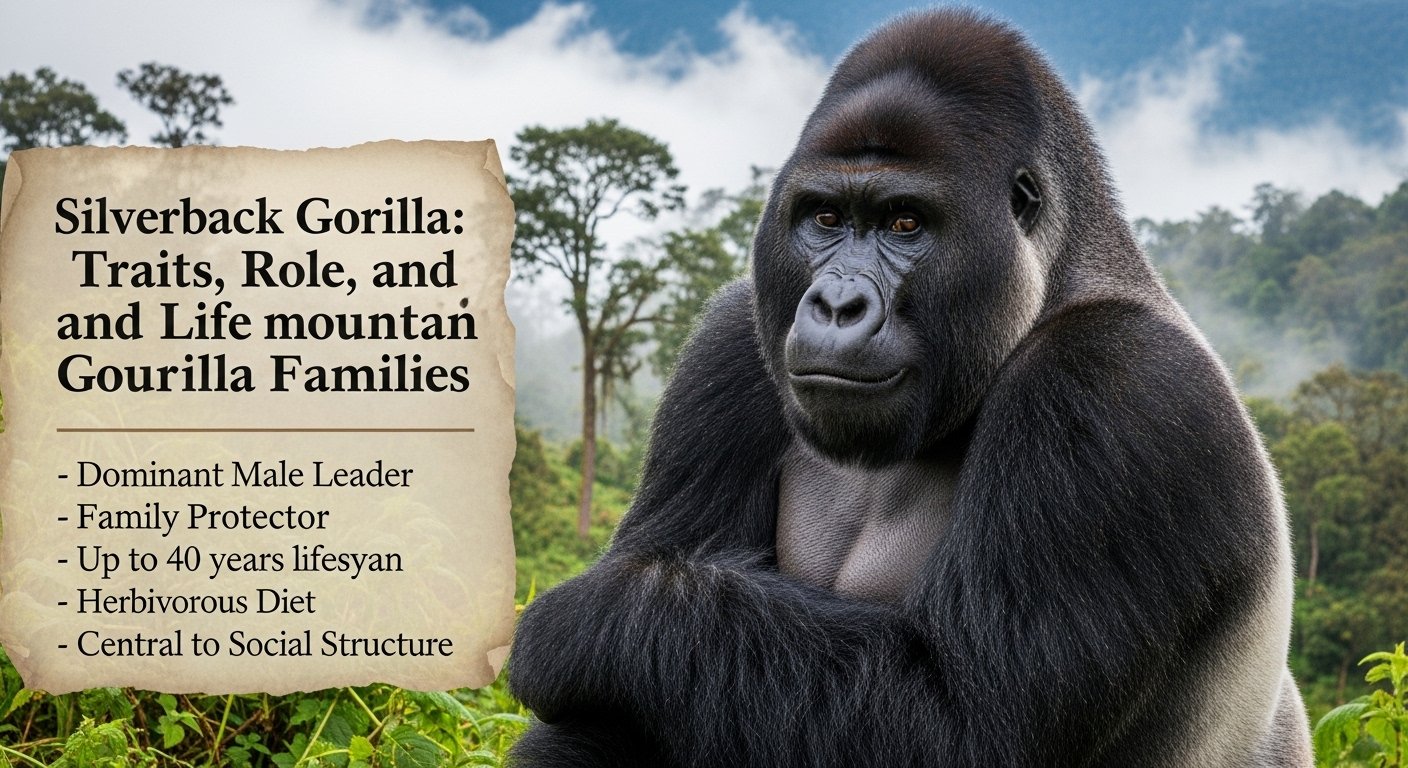
The majestic silverback gorilla stands as a symbol of strength and resilience within the lush, misty mountains of Africa. With their impressive stature and gentle nature, these incredible creatures have captivated hearts around the world. Silverbacks play a pivotal role in their family groups, demonstrating leadership qualities that are both fascinating and essential for survival. As we delve deeper into the life of a silverback gorilla, we’ll uncover what makes them unique, how they communicate with their families, and the challenges they face in an ever-changing environment. Join us on this journey to appreciate these remarkable animals and understand why preserving their existence is vital for our planet’s biodiversity.
Physical Traits and Unique Features
Silverback gorillas are striking creatures, easily recognized by their impressive size and distinctive features. Adult males can weigh up to 450 pounds and stand about six feet tall when upright. Their robust bodies are covered in dense black fur, which provides insulation in cooler mountain climates.
One of the most notable traits is the silvery hair that develops along their backs as they mature, giving them their iconic name. This silver patch signifies dominance and maturity within a group.
Their powerful arms enable them to navigate rugged terrains effortlessly. With long fingers designed for grasping branches, they exhibit remarkable strength while climbing trees or foraging on vegetation.
Facial expressions also play a significant role in communication among gorillas. The pronounced brow ridge and wide nostrils add character to their appearance while allowing for better social interactions within families. Each of these unique traits contributes to the captivating presence of silverback gorillas in the wild.
The Role of a Silverback Gorilla in a Mountain Gorilla Family
The silverback gorilla is the cornerstone of a mountain gorilla family. This dominant male possesses both strength and wisdom, guiding his group through various challenges in their natural habitat.
His primary role includes protecting the family from threats. Fiercely territorial, he will defend against rival males or predators with impressive displays of power. His presence alone often deters potential dangers.
Beyond protection, silverbacks also facilitate social bonding within the group. They play a crucial part in maintaining harmony among females and younger members. With gentle nudges or vocalizations, they help ease tensions during conflicts.
Leadership extends to foraging as well. The silverback leads the troop to food sources while teaching them about safe feeding practices. Through this guidance, he ensures that everyone thrives in their environment.
This multifaceted role emphasizes not just physical prowess but also emotional intelligence within these incredible creatures’ social structures.
Communication and Social Behavior
Silverback gorillas exhibit a rich tapestry of communication that includes vocalizations, body language, and facial expressions. They use grunts, roars, and hoots to convey their emotions or alert family members to potential threats. Each sound has its purpose.
Body language plays a critical role too. A silverback may puff up his chest or beat on his chest as a display of power and confidence. This behavior often helps maintain peace within the group by establishing hierarchy without resorting to physical conflict.
Social bonds form through grooming rituals. Gorillas spend time picking insects off one another’s fur, strengthening their relationships in the process. These interactions foster trust and cooperation among family members.
Playful antics also reveal social dynamics at work. Young gorillas engage in playful wrestling or chasing games under the watchful eye of the silverback, promoting social skills essential for survival in their complex environment.
Challenges Faced by Silverback Gorillas
Silverback gorillas face numerous challenges in their natural habitats. Habitat loss is one of the most pressing issues. Deforestation for agriculture and urban development threatens their living spaces, forcing them into smaller areas.
Poaching remains a significant threat as well. Despite protective laws, illegal hunting continues to occur. These majestic creatures are often targeted for bushmeat or the illegal pet trade.
Disease poses another danger. Gorillas can contract illnesses from human contact, such as respiratory infections. This vulnerability can lead to rapid declines in population numbers.
Additionally, climate change affects their environment profoundly. Altered weather patterns disrupt food sources and breeding cycles, making survival increasingly difficult.
Conservation efforts are crucial yet challenging due to limited funding and political instability in some regions where these animals live. The future of silverback gorillas depends on ongoing awareness and action against these threats.
Conservation Efforts and Protection of Silverback Gorillas
Conservation efforts for silverback gorillas have intensified over the years. Various organizations focus on habitat protection and anti-poaching initiatives. These measures are crucial as they directly impact the survival of these magnificent creatures.
One effective strategy involves community engagement. Local populations are educated about the value of silverbacks in their ecosystems. This awareness fosters a sense of responsibility towards wildlife preservation.
Ecotourism also plays a vital role in conservation. Tourists flock to see these incredible animals, providing funds that support protective measures. The revenue generated can be reinvested into local communities, creating a win-win situation.
Additionally, researchers monitor gorilla populations regularly. Tracking their health and behavior helps identify threats early on, allowing swift action to protect them from harm.
Through collaboration between governments, NGOs, and local communities, significant strides are being made toward safeguarding silverback gorillas for future generations.
Conclusion
The survival of silverback gorillas is intricately tied to the health of our planet. Their presence in mountain ecosystems signifies a balanced environment, making them vital for biodiversity. These magnificent creatures play crucial roles as leaders and protectors within their families. As they navigate challenges and maintain social structures, they also contribute to the overall well-being of their habitats.
Conservation efforts are essential not only for protecting these incredible animals but also for preserving the rich tapestry of life that surrounds them. By focusing on habitat protection, anti-poaching initiatives, and community engagement, we can ensure that future generations will witness the majesty of silverback gorillas in their natural environments.
Protecting silverbacks goes beyond saving a species; it safeguards entire ecosystems and encourages awareness about wildlife conservation. Every effort counts when it comes to securing a future where these gentle giants roam free.
As stewards of this earth, it’s our responsibility to advocate for all living beings. Supporting organizations dedicated to gorilla conservation can make a profound difference. Together, we can help create a world where silverback gorillas thrive alongside us—an inspiring reminder of nature’s grandeur and resilience.