
 By admin@handinhandadventures.com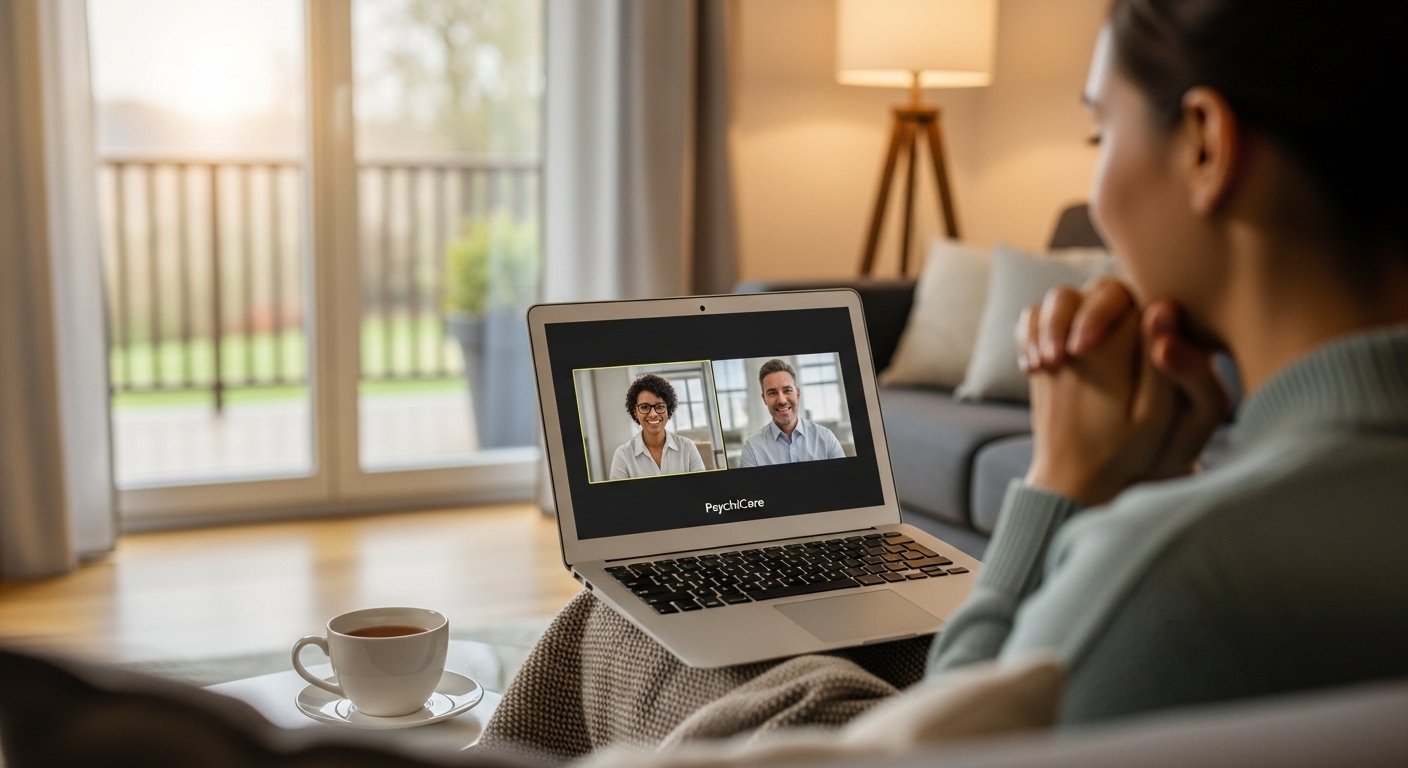
There wasn’t one dramatic event that pushed us into therapy. No betrayal. No explosive fight. It was quieter than that.
We were arguing more often, but about small things. Conversations that should have taken five minutes would stretch into cold silences. We weren’t shouting. We were withdrawing.
The hardest part was realising that love wasn’t the issue. We still cared about each other deeply. But we had stopped understanding each other.
For months, we kept saying, “We’ll fix this ourselves.” We watched videos. We read articles. We promised to communicate better. And then we’d slip back into the same patterns.
Eventually, we admitted something uncomfortable: we needed help.
Why We Chose Online Counselling Instead of In-Person
We live busy lives, in different time zones at times because of work travel. Coordinating schedules for in-person therapy felt complicated.
There was also privacy. Walking into a counselling clinic in our city felt exposing. We weren’t ready for that level of visibility.
Online counselling felt more manageable. We could sit in our own home. No commuting. No waiting rooms. Just us, a laptop, and a decision to try.
After researching a few options, we chose PsychiCare. It wasn’t because of flashy promises. It was because the platform seemed structured, professional, and focused specifically on relationship counselling.
We decided to give it a chance.
Booking the First Session
Booking the session was straightforward. We selected a time that worked across our schedules and received confirmation quickly.
But ease of booking wasn’t the real issue.
The real issue was how nervous we felt.
I kept wondering:
What if the therapist sides with one of us?
What if this makes things worse?
What if we realise we’re too different?
The night before the session, we barely spoke.
The First Session: Expectations vs Reality
The first session wasn’t dramatic. It was structured and surprisingly calm.
The therapist didn’t jump into advice. Instead, we were asked about our history. How we met. When things began to feel difficult. What we each believed the problem was.
That part was eye-opening. We realised we were experiencing the same situations completely differently.
What stood out most was neutrality. Neither of us felt blamed. The therapist redirected conversations when they became defensive, but gently.
It wasn’t comfortable. There were pauses. There were moments where one of us felt exposed. But it didn’t feel hostile.
It felt safe.
What Changed Over Time
There was no instant breakthrough.
What changed was subtle.
We learned how to pause before reacting. We learned how to express frustration without attacking. We started recognising patterns we had both contributed to.
One of the most useful parts was having structured exercises between sessions. Small communication tools that felt awkward at first but slowly became natural.
Arguments didn’t disappear. But they became shorter. Less sharp.
The biggest shift was this: we started listening again.
What I Liked About the Experience
Flexibility mattered. We could attend sessions even when travelling.
Being in our own space helped us open up more easily. It felt less intimidating than sitting in a clinical office.
The sessions were guided. Not chaotic. That structure made it feel purposeful rather than just emotional venting.
And importantly, the focus was always on both of us. It never felt like individual therapy disguised as couples counselling.
What I Found Challenging
Online counselling isn’t effortless.
Opening up on camera felt strange in the beginning. Seeing your partner react in real time while a third person watches can be intense.
There were sessions that left us emotionally drained. Therapy doesn’t just surface problems. It makes you sit with them.
It also requires commitment. Showing up consistently matters. Skipping sessions when things feel better is tempting, but that’s usually when consistency helps most.
Online therapy makes access easier, but it doesn’t make the work easier.
Who Online Marriage Counselling Might Be For
From my experience, online marriage counselling may work well for:
- Couples with busy schedules
- Long-distance or globally mobile partners
- Those uncomfortable with in-person clinics
- Couples experiencing communication breakdowns rather than major crises
It may not feel right for everyone. Some people prefer physical presence in therapy. But for us, the online format removed enough barriers to help us begin.
Final Thoughts
Online marriage counselling at PsychiCare didn’t magically transform our relationship. It did something more realistic.
It gave us structure.
It gave us language.
It gave us perspective.
Most importantly, it gave us a space where both of us could be heard without the conversation spiralling out of control.
We didn’t leave therapy as a “perfect couple.” We left with better tools.
And sometimes, that’s exactly what you need.