
 By admin@handinhandadventures.com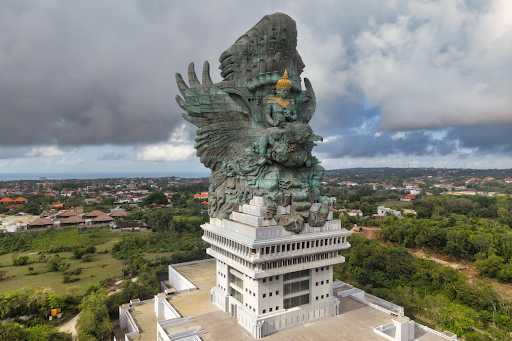
Standing tall against the Bali sky, Garuda Wisnu Kencana represents one of the most ambitious cultural projects in Indonesia. The statue depicts Dewa Wisnu riding his faithful companion, the mythical bird Garuda. What makes this place special goes beyond the statue itself. The entire GWK Cultural Park spreads across limestone hills in southern Bali, creating a destination that combines art, culture, and breathtaking views.
Whether you’re exploring Bali for its landscapes, traditions, or simply seeking memorable experiences, GWK offers a starting point to immerse yourself in it all, make sure to include it in your journey.
Understanding Garuda Wisnu Kencana
The name Garuda Wisnu Kencana combines three important elements from Hindu mythology. Garuda is the divine eagle, Wisnu is the preserver god, and Kencana means gold or golden. Sculptor Nyoman Nuarta designed this colossal work back in the 1990s. Construction began in 1997, but the project faced numerous challenges. The complete statue dewa wisnu wasn’t finished until 2018.
The finished statue reaches 121 meters tall, making it one of the tallest statues in the world. That’s higher than the Statue of Liberty, including its pedestal. The copper and brass covering weighs over 4,000 tons. Standing at the base and looking up at the kepala garuda and the figure of Wisnu creates an overwhelming sense of scale.
The Cultural Significance
Garuda Wisnu Kencana serves as more than a tourist attraction. It represents a powerful simbol of Indonesian cultural identity and Hindu philosophy. In Hindu mythology, Wisnu rides Garuda across the heavens, maintaining cosmic balance. This taman budaya brings that ancient story to life in modern form. The statue embodies protection and harmony.
For the Balinese people and Indonesia’s Citizen more broadly, GWK stands as a source of pride. It showcases the ability to create world-class monuments while honoring traditional beliefs and artistic heritage. The cultural park regularly hosts dance performances and traditional ceremonies. We’ve watched kecak dance shows here at sunset, and the atmosphere feels magical with the towering garuda statue as backdrop.
Getting to Garuda Wisnu Kencana
The GWK Cultural Park sits in Ungasan, on the Bukit Peninsula in southern Bali. This lokasi puts it about 15 kilometers from Ngurah Rai International Airport and roughly 30 minutes from popular areas like Seminyat or Kuta.
We always recommend hiring a driver for the day or using ride-sharing apps. The roads wind through residential areas, and having a local driver makes the journey stress-free. Many drivers know the area well and can share insights about the region. If you’re staying in Uluwatu, the drive takes only about 20 minutes.
Exploring the GWK Cultural Park
The moment you enter the kawasan, the scale of the project is clear. Covering about 60 hectares of batu kapur hills, the park has been transformed into a cultural destination. Plaza Wisnu greets visitors with an open courtyard, gardens, and pathways leading to attractions, while elevated points throughout the park offer panoramic views of the statue and the ocean.
Plaza Bhagawan hosts cultural performances in an amphitheater that uses natural acoustics, creating an intimate atmosphere despite its size. Inside the statue’s base, exhibition spaces showcase the construction process, cultural significance, and vision behind Garuda Wisnu Kencana, making it worth exploring to fully appreciate the story of this monumental landmark.
Cultural Performances and Events
GWK Cultural Park serves as a venue for traditional dance and music, bringing Balinese culture to life. Kecak performances are especially popular, with chanting and synchronized movements creating a powerful experience against the statue backdrop. Weekly traditional dances tell stories from Hindu epics like the Ramayana and Mahabharata, captivating audiences with costumes and music.
The park also hosts special events during Balinese holidays and festivals, when the atmosphere is most vibrant. Performance schedules vary, so checking the timetable or asking at the entrance ensures you don’t miss a show. Arriving early helps secure good seating for popular performances.
Visitor Experience and Amenities
The GWK Cultural Park maintains high standards for visitor comfort, with facilities that meet international tourism expectations. Ticket options range from basic entrance to packages with meals or performance access, and combination tickets often provide good value. Food and beverage choices include casual cafes and restaurants with panoramic views of the statue and landscape.
While enjoying local cuisine in popular tourist areas such as Bali, travelers should stay mindful of health and hygiene. Stomach issues such as bali belly can affect visitors who aren’t used to new foods or water sources, but local support is available. A medical center that treats Bali belly in Uluwatu for example, offers IV infusion therapy, hydration support, and professional care to help travelers recover quickly.
Nearby Attractions
The Bukit Peninsula offers nearby highlights that pair well with GWK. Uluwatu Temple, with its cliffside sunsets and kecak performances, is a cultural must‑see, while beaches like Padang Padang and Dreamland provide surfing and swimming. Dining options in Uluwatu include refined restaurants with ocean views, making it a perfect end to the day.
Practical Tips for Visiting
Weekday mornings are quieter, and arriving at opening time avoids crowds. Bring water, wear comfortable shoes, and use sun protection, as the limestone terrain intensifies exposure. Allow at least two hours for a full visit, or three if you want to enjoy performances and exhibitions. Carry cash for small purchases, check the weather forecast, and plan accordingly, light rain won’t disrupt the experience, but heavy downpours may affect outdoor activities.
Maintaining your physical condition is essential when traveling, as long days of walking, heat, and dietary changes can leave you feeling drained. In popular tropical tourist destinations such as Indonesia, specifically Bali, specialized clinics provide treatments to help travelers recover quickly. Medical centers that offer IV infusion in Bali are designed to rehydrate, boost energy, and restore balance, making it easier to stay refreshed and enjoy the island journey to the fullest.
Making the Most of Your Visit
Start with the exhibition spaces to gain context, then take time to sit and observe the statue and landscape. Cultural performances bring traditions to life, and engaging with staff or guides adds depth to the experience. Visit at different times of day to see how changing light transforms the monument. Approach with respect, document your impressions authentically, and remember this is both a cultural and spiritual landmark.
Final Thoughts
GWK represents cultural pride, artistic achievement, and spiritual meaning. Each visit offers new perspectives, with the scale impressing immediately and the cultural depth revealing itself gradually. The park fits naturally into Bali itineraries alongside beaches and temples. As the sun sets and lights illuminate the statue, you understand why this project took decades, a vision realized through persistence and dedication.