
 By admin@handinhandadventures.com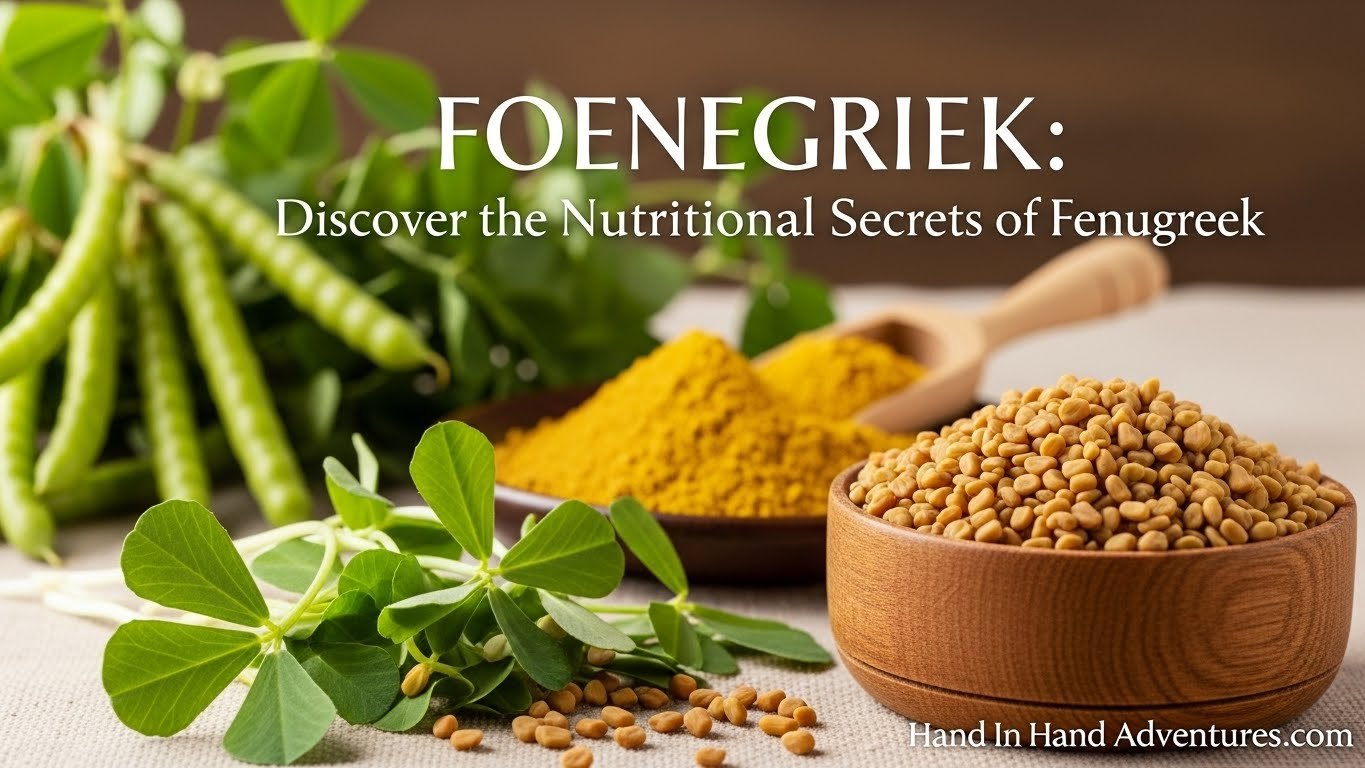
Fenugreek, known as foenegriek in Dutch, is a remarkable herb that has captured the attention of health enthusiasts and culinary experts alike. With its distinct aroma and slightly bitter taste, fenugreek seeds are more than just a flavorful addition to dishes— they’re packed with nutritional goodness. Originating from regions around the Mediterranean and South Asia, this versatile plant has woven itself into traditional medicine for centuries. As we dig deeper into the secrets of fenugreek, you’ll discover why it’s gaining popularity in modern diets and how it can benefit your overall well-being. Whether you’re looking to spice up your cooking or boost your health naturally, foenegriek might just be the answer you’ve been searching for!
History and origin of Fenugreek
Fenugreek, or Foenegriek as it’s known in Dutch, boasts a rich history that dates back thousands of years. This ancient herb originates from the Mediterranean region and has been cherished across various cultures for its culinary and medicinal properties.
Its use can be traced to ancient Egypt, where it was not only consumed but also used in embalming practices. The Greeks and Romans recognized its value too, employing fenugreek to enhance flavor in dishes.
In India, fenugreek holds a special place within traditional medicine systems like Ayurveda. It’s celebrated for promoting health and well-being through various natural remedies.
As trade routes expanded over centuries, so did the popularity of this unique plant. Today, fenugreek is cultivated worldwide and continues to be an integral part of numerous cuisines—from savory curries to sweet desserts—highlighting its versatility throughout history.
Nutritional benefits of Fenugreek
Foenegriek, or fenugreek, packs a powerful nutritional punch. It’s well-known for its high fiber content which can aid digestion and promote gut health.
This herb is also rich in protein, making it an excellent addition to vegetarian diets. It contains essential amino acids that help build muscle and repair tissues.
Vitamins such as B6 and C are abundant in fenugreek too. These contribute to overall wellness by boosting the immune system and reducing inflammation.
Fenugreek seeds are a source of minerals like magnesium, iron, and manganese. These nutrients play roles in bone health and energy production.
Additionally, this unique plant may assist with blood sugar regulation due to compounds known as saponins. This could be beneficial for those managing diabetes or insulin resistance.
Incorporating foenegriek into your meals not only enhances flavor but also enriches your diet with these impressive benefits.
How to Incorporate Fenugreek into Your Diet
Incorporating fenugreek into your diet can be a delightful culinary adventure. Start by using the seeds. You can toast them lightly to enhance their flavor and then sprinkle them over salads or vegetables.
Another fantastic option is to add fenugreek leaves, known as methi, into your dishes. They work wonders in curries or stir-fries, lending a unique aroma and taste that elevates any meal.
For a quick boost, consider brewing fenugreek tea. Simply steep seeds in hot water for about 10 minutes for a soothing beverage rich in antioxidants.
Smoothies also welcome this ingredient! Blend ground fenugreek with fruits like bananas or berries for an extra nutritional punch.
Don’t forget about supplements. Capsules are available if you prefer concentrated doses without altering your cooking habits. Enjoy experimenting with this versatile herb!
Different Forms of Fenugreek and How to Use Them
Fenugreek, or foenegriek, comes in various forms, each offering unique ways to elevate your meals. The seeds are the most common type. They can be used whole or ground into a fine powder. Whole seeds lend a nutty flavor when toasted and added to dishes.
The powdered form is versatile for seasoning curries or sprinkling over salads. It’s an easy way to infuse your cooking with nutrients without much hassle.
Fresh fenugreek leaves bring a distinct aroma that enhances many recipes. They can be sautéed with vegetables or added to soups for extra depth.
For those seeking convenience, fenugreek supplements are available as capsules and extracts. These offer health benefits without altering your diet significantly.
Each form of foenegriek brings something special to the table; explore them all to find what you enjoy most!
Potential Risks and Side Effects of Fenugreek Consumption
While fenugreek offers numerous health benefits, it’s essential to be aware of potential risks. Some individuals may experience digestive issues, including bloating or diarrhea. This is often linked to its high fiber content.
Allergic reactions can occur in sensitive people. Symptoms might include skin rashes or respiratory problems. If you have a history of allergies, it’s wise to proceed with caution when trying fenugreek for the first time.
Fenugreek can also impact blood sugar levels. For those on diabetes medication, monitoring glucose closely becomes crucial to avoid hypoglycemia.
Pregnant women should consult their healthcare provider before incorporating fenugreek into their diets. It has been known to stimulate uterine contractions in some cases.
Excessive consumption could lead to a maple syrup-like odor in urine due to its unique compounds—something that might catch you off guard!
Conclusion
Fenugreek, or foenegriek as it is known in Dutch, offers a treasure trove of nutritional benefits that can enhance your health. From its rich history and origins to the versatile ways you can incorporate it into your meals, this remarkable herb deserves a place in your pantry.
With its unique flavor profile and array of forms—seeds, leaves, and supplements—you have several options for enjoying fenugreek. Its high nutrient content supports digestion, may lower blood sugar levels, and even promotes healthy skin.
As with any food or supplement, moderation is key. Understanding potential risks and side effects will help ensure that you experience only the positive aspects of this powerful herb.
Including foenegriek in your diet could be an exciting journey toward better health. Whether you’re trying new recipes or exploring various forms of fenugreek supplements, you’ll likely find something that suits your lifestyle beautifully. Embrace this ancient ingredient and discover what it can do for you!