
 By admin@handinhandadventures.com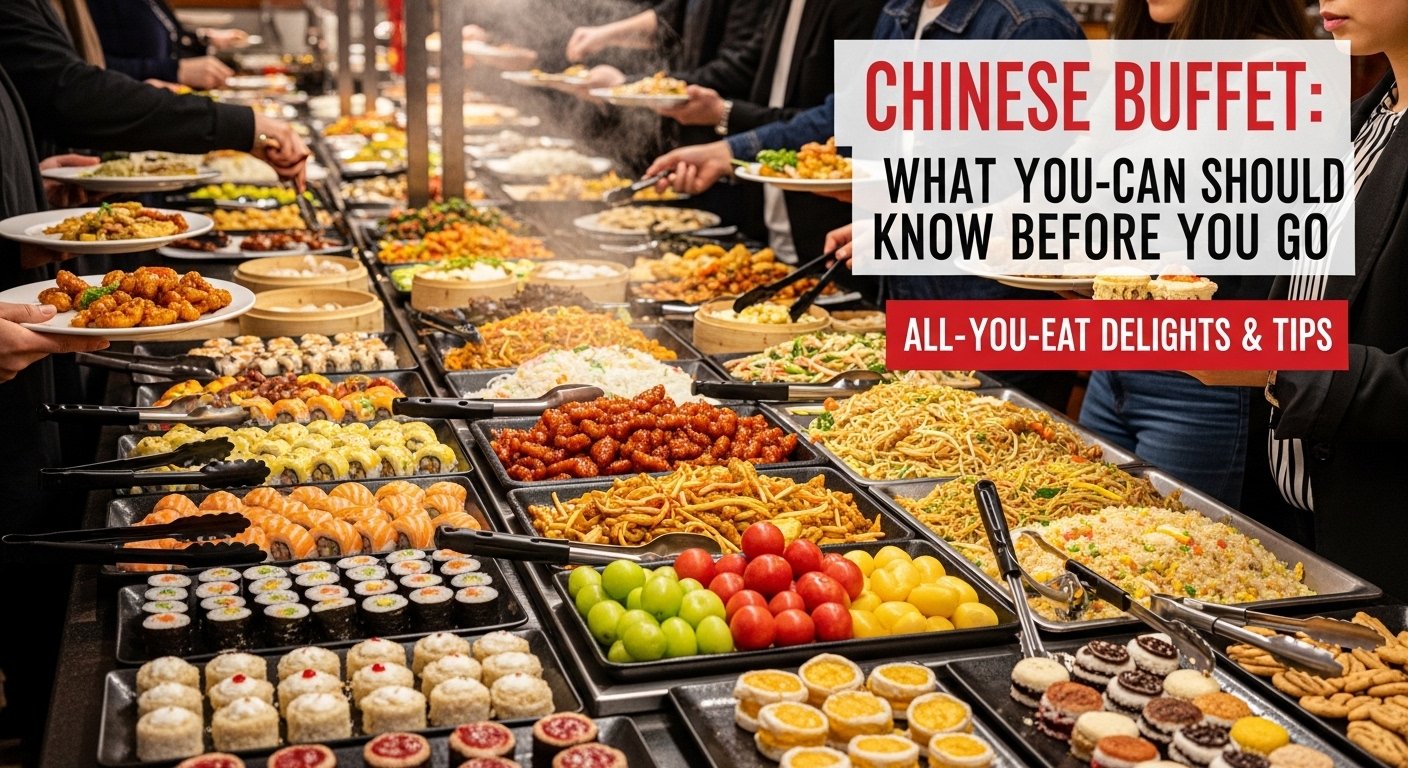
If you’re craving a feast that satisfies your taste buds and fills your belly, a Chinese buffet might just be the perfect destination. Picture vibrant dishes, aromatic flavors, and an endless array of options waiting for you to explore. But before you dive headfirst into those enticing platters of sweet and sour chicken or crispy spring rolls, it’s important to understand what makes a Chinese buffet unique. From its rich history to practical tips for maximizing your dining experience, we’ve got everything you need to know before indulging in this culinary adventure. Get ready to embark on a delightful journey through the world of Chinese buffets!
History and Origins of Chinese Buffets
The concept of the buffet has roots that stretch across various cultures, but it found a unique expression in Chinese cuisine. The idea began to take shape in the United States during the mid-20th century. As Chinese immigrants settled and opened restaurants, they sought ways to introduce their culinary traditions to a wider audience.
In cities like San Francisco and New York, these establishments evolved into all-you-can-eat formats. Diners were drawn not only by affordability but also by variety. It was an exciting way for patrons to sample multiple dishes without feeling restricted.
By the 1980s, Chinese buffets exploded in popularity across America. They became synonymous with casual dining experiences where families and friends could gather around heaping plates filled with vibrant flavors and textures—a true celebration of community through food.
The Concept and Format of a Chinese Buffet
The essence of a Chinese buffet lies in its abundant variety. Diners are greeted with an array of dishes, each showcasing the rich flavors and culinary artistry of China.
Typically set up in a self-serve format, customers can explore multiple stations filled with appetizers, main courses, and desserts. This layout encourages guests to sample different items without feeling constrained by typical portion sizes.
Most buffets offer both traditional favorites like General Tso’s chicken and regional specialties such as dim sum or Peking duck. The vibrant colors and enticing aromas create an inviting atmosphere that beckons food lovers.
Flexibility is key; patrons can customize their plates according to personal tastes. Want extra fried rice? Go for it! Each visit can be unique, allowing diners to experience something new every time they return to enjoy their next meal at a Chinese buffet.
Pros and Cons of Dining at a Chinese Buffet
Dining at a Chinese buffet can be an adventure. One of the biggest advantages is variety. Diners can sample numerous dishes, from sweet and sour chicken to dumplings and fried rice. This allows for an exploration of flavors that a typical menu might not offer.
On the flip side, quality can vary significantly between buffets. Some may prioritize quantity over taste, leading to a less satisfying experience.
Another pro is affordability—buffets often provide a hearty meal at a reasonable price. You pay once and eat as much as you like, which appeals to many food lovers.
However, portion control becomes challenging in this setting. It’s easy to overindulge when so many options are available. The all-you-can-eat model might tempt diners into eating more than they should.
It’s essential to weigh these factors before diving into your next buffet experience!
Tips for Getting the Most Out of Your Chinese Buffet Experience
Arriving hungry is key. A Chinese buffet offers a variety of dishes, so come ready to indulge.
Start with smaller portions. This strategy allows you to sample multiple options without overloading your plate. You can always go back for more if something catches your fancy.
Prioritize the hot and fresh items first. Dishes that have just come out are likely at their best in terms of flavor and texture.
Don’t overlook the unique offerings. Often, buffets feature regional specialties or chef recommendations that could surprise your palate.
Pair your meal with a refreshing drink like tea or water instead of sugary sodas. It complements the flavors while keeping you hydrated.
Take breaks between plates to savor each dish fully. Enjoying the experience rather than rushing through it makes all the difference in creating memorable moments at a Chinese buffet.
Common Dishes Found at a Chinese Buffet
When you step into a Chinese buffet, an array of enticing dishes awaits. One staple is General Tso’s chicken, deep-fried and coated in a sweet and spicy sauce.
Fried rice often fills the plates next to it, complete with vegetables and proteins like shrimp or chicken. Noodles are also popular; lo mein offers a chewy texture that pairs perfectly with stir-fry sauces.
Don’t overlook the dim sum section! Steamed buns stuffed with pork or shrimp provide bite-sized delight.
For those who prefer something lighter, vegetable spring rolls deliver crunchiness alongside fresh ingredients.
Seafood lovers can indulge in items like sweet-and-sour fish or honey-glazed shrimp.
Dessert is not forgotten—mango pudding and almond jelly offer refreshing conclusions to your meal. Each dish contributes to the vibrant tapestry of flavors that make dining at a Chinese buffet such an enjoyable experience.
Health Considerations When Dining at a Chinese Buffet
When dining at a Chinese buffet, health considerations are essential. The variety of food can be tempting, but it’s crucial to choose wisely.
Many dishes may contain high levels of sodium and sugar. Items like sweet and sour chicken or soy sauce-laden stir-fries often exceed recommended daily limits. Moderation is key here.
Watch out for fried foods as well. While crispy spring rolls and egg rolls are delicious, they add extra calories that can quickly accumulate on your plate.
Fresh vegetables are usually available, so load up on those whenever possible. They provide nutrients without the added fat found in many other offerings.
Pay attention to food safety too. Ensure that hot items stay hot and cold items remain chilled to avoid any risk of foodborne illnesses. Your stomach will thank you later for being cautious!
Alternatives to Traditional Chinese Buffets
If you’re looking to change things up from a traditional Chinese buffet, consider exploring Asian fusion restaurants. These places blend flavors and techniques from various cuisines, offering a unique take on classic dishes.
Another option is dim sum eateries. You can savor small plates filled with dumplings, buns, and other delights served in a communal style. It’s perfect for sharing and trying multiple flavors.
For those who prefer something lighter, Asian noodle houses provide delicious bowls of ramen or pho that are fresh and full of flavor.
Curry houses specializing in Thai or Malaysian cuisine also offer rich tastes that might pique your interest without the buffet format. Each dish tells its own story through spices and ingredients.
Vegan or vegetarian Asian bistros are sprouting up everywhere. They serve innovative plant-based versions of beloved classics while focusing on health-conscious options.
Conclusion
When considering a trip to a Chinese buffet, it’s important to keep various factors in mind. Understanding the rich history and cultural significance of these eateries can enhance your dining experience. The format invites exploration—sampling different dishes allows for culinary adventures.
While there are undeniable perks, such as variety and value, it’s wise to remain aware of potential downsides like food quality or overindulgence. Implementing tips on how to navigate the buffet wisely will ensure you enjoy every bite while making healthier choices.
As you dive into popular offerings like General Tso’s chicken or dim sum, being mindful of health considerations is crucial. If you’re looking for something different, numerous alternatives provide similar flavors without the buffet layout.
By keeping all these aspects in mind, you’ll be well-prepared for your next visit. A Chinese buffet isn’t just about satisfying hunger; it’s an opportunity to explore diverse tastes and share experiences with friends or family.