
 By admin@handinhandadventures.com
Road trips are a great way to see the world with friends or family. You might spend weeks planning the perfect route and packing your bags for the journey.
Unexpected events like a car crash can happen even to the best drivers on the road. Knowing the right steps to take helps you stay safe during these stressful times.
Stay Calm and Check for Injuries
The sounds of a crash are loud and scary for everyone inside the vehicle. Your body will likely release a lot of adrenaline right after the impact occurs. Take 10 deep breaths to settle your nerves before you try to get out of the car.
Look at your passengers to see if anyone needs medical help right away. A recent news report mentioned that 53% of traffic deaths happen on rural roads compared to 38% in cities. These areas often have less lighting and more curves that hide dangers from view.
Do not try to move someone who has neck or back pain if the car is not on fire. Moving an injured person can make their condition much worse than it already is. Wait for the paramedics to arrive with the right tools to help them move safely.
Move to a Safe Spot and Protect the Scene
Cars that stop in the middle of a highway are at risk of getting hit again by other drivers. If your vehicle can still drive, slowly move it to the side of the road. This keeps you away from moving traffic and gives you room to move around your vehicle.
Put your car in park and set the emergency brake once you reach the shoulder. You should turn on your hazard lights too, so other people can see you from a distance. This simple act reduces the chance of a secondary collision with another driver who might not see you.
Use Safety Equipment and Call for Assistance
Visibility is your best defense when you are stuck on the side of a busy highway. It is hard for other drivers to see a stopped car at night or in heavy rain. Use every tool you have to make your car stand out from the road surroundings.
A study by a national auto group found that flashing lights make a vehicle far more visible to other motorists. These lights can prevent more accidents from happening as people pass your location. If you have road flares or triangles, place them behind your car to warn others.
Use your phone to call 911 and tell them exactly where you are located on the map. Official records show that more police forces are adopting new data standards, which help the authorities track where accidents happen and how to improve road safety for everyone.
Understand Legal Limits and Future Car Safety
Dealing with the legal side of a crash can take a long time to finish. A crash can cost $1000s in repairs and medical bills.
You should know the rules for how long you have to file a claim in your state or region. If you need legal advice after a crash, legal professionals can help you understand your rights, as the Malloy Law team suggests. Taking action within the required timeframe helps protect your ability to recover damages and move forward with confidence.
One law article pointed out that minors in Maryland have 3 years from turning 18 to file a claim. This is different than the 3-year limit that adults have from the date of the crash. Knowing these rules helps you protect your rights as you recover from your injuries.
Car safety is changing fast as new technology is added to every new model on the market. Groups like Euro NCAP are updating their rules for 2026 to test crashes with more body types. These tests will include older people and children to make cars safer for every passenger.
Avoid Common Roadside Dangers and Scams
Not everyone who stops to help has good intentions when you are in trouble on the road. It is a good idea to stay in your car with the doors locked until the police arrive. You can talk to people through a cracked window if you need to communicate with them.
Some travel alerts warn that criminals target drivers who pull over on remote highways. These people wait for you to exit the car before they try to take your valuables. Keeping your items out of sight helps you stay safe from these types of threats during your trip.
Check for smoke or the smell of gas coming from any of the cars involved in the crash. If you see fire or smell fuel, you must move away from the vehicles immediately. Walk to a spot that is far enough away to protect you from a potential blast or fire.
Exchange Information and Record Key Details
Talk to the other driver to get their name and their insurance company name for the report. Avoid talking about the crash or saying that you are sorry for what happened to the cars. These statements can be used against you later when the insurance companies talk about the event.
Distractions like phones are a common reason for many crashes on the road today. A guide for consumers noted that phone use was the main distraction in 14% of fatal traffic crashes in 2025. Another safety report stated that distracted driving claimed 3208 lives during that same year.
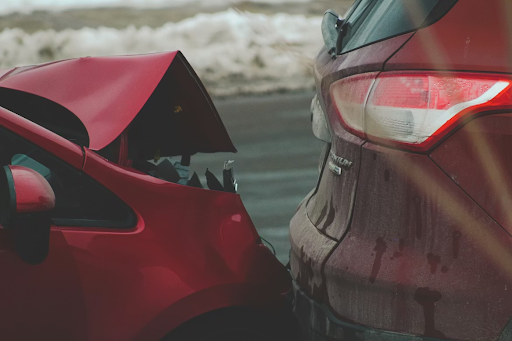
Use your phone to take clear photos of the damage to both of the vehicles involved. You should take pictures of the street signs and any skid marks on the pavement. These details help tell the story of the crash to your insurance agent when you file a claim.
Protect Vulnerable People Near the Crash
Road trips often take you through areas where people are walking or riding bikes. A crash can easily spread to the sidewalk or the edge of the road where people are standing. You must look around to see if any pedestrians were involved in the event or hit by debris.
Safety data shows that U.S. drivers struck and killed 7148 pedestrians last year. This number is a reminder of how dangerous a moving car can be to someone on foot. Pay attention to everyone in the area to make sure they get the help they need right away.
Follow these tips to keep people safe at the scene of an accident:
- Keep your passengers inside the car if it is safe to stay there.
- Ask witnesses to stand on the grass away from the flow of traffic.
- Use a flashlight if you have to walk around the car in the dark.
A car accident can feel like a huge setback for your travel plans and your mood. By following the right steps, you can handle the situation with more confidence. Your safety and health are more valuable than any car or vacation itinerary you have planned.
Focus on getting the help you need and documenting what happened clearly. Once the dust settles, you can decide how to move forward with your trip. Taking it one step at a time is the best way to get through this challenge.