
 By admin@handinhandadventures.com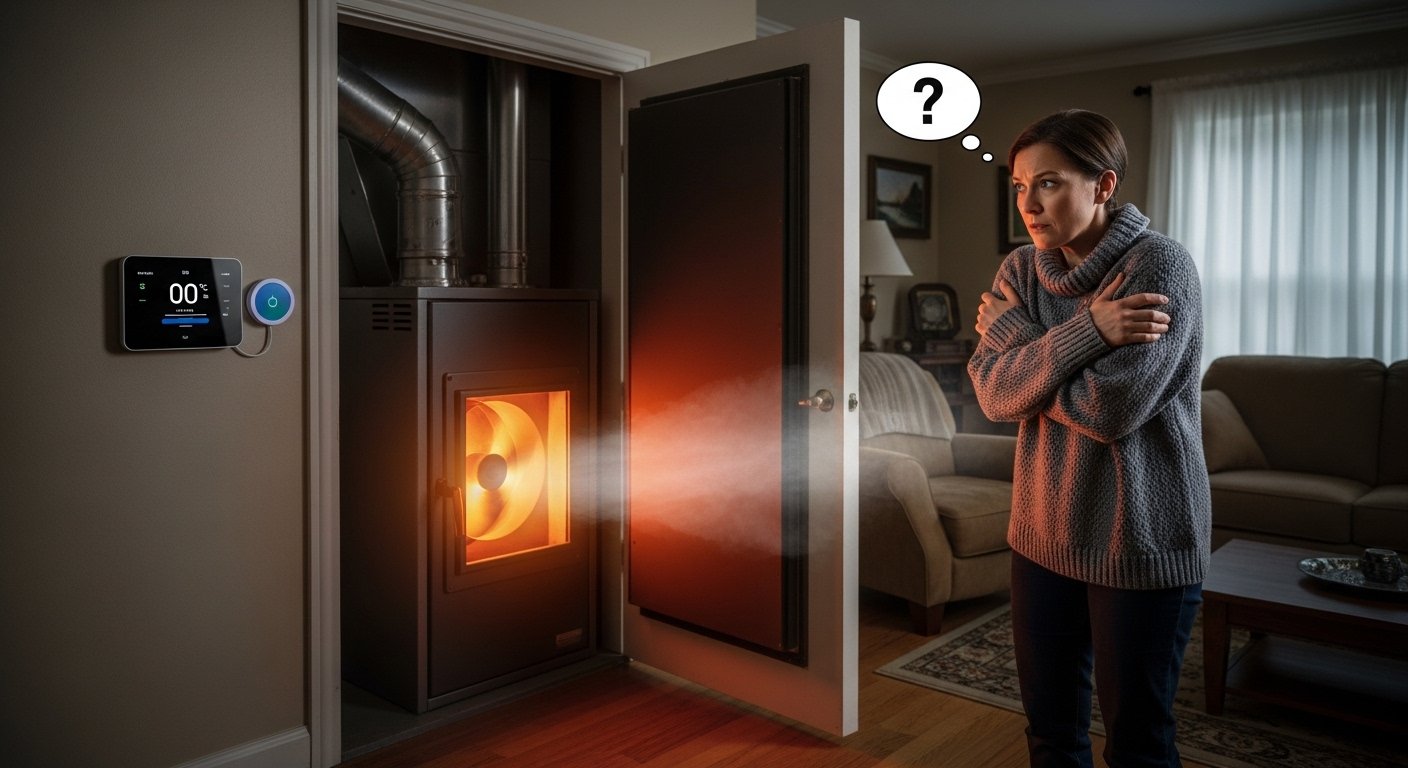
A running furnace can give owners a false sense of reassurance. The blower is on, air is moving, and the thermostat is calling for heat, yet the house still feels cold. That mismatch is what makes this problem so frustrating. When a furnace fails to warm the space properly, the issue is usually not that the system is completely dead. It is that one part of the heating process is no longer supporting the rest of the system the way it should.
Why This Problem Misleads Owners
-
Why Poor Heat Output Matters Quickly
For property managers, facility teams, and building owners, weak heating performance is more than a comfort issue. A furnace that runs without properly warming the house can drive energy costs higher, create uneven temperatures from room to room, frustrate occupants, and increase wear on equipment already under strain. In colder periods, that matters quickly, because the building may never fully recover once indoor temperatures start to fall. A furnace should be judged by the heat it delivers, not by whether it simply turns on and pushes air through the vents.
-
Airflow Problems Often Start The Trouble
One of the most common reasons a furnace fails to warm the house properly is poor airflow. That may sound counterintuitive, but a furnace relies on balanced airflow to deliver usable heat to occupied spaces. When filters are clogged, return ducts are restricted, supply vents are blocked, or blower performance has weakened, the furnace may struggle to transfer heat effectively. In some cases, the heat exchanger overheats, and safety controls shut the burners down early. The fan may keep running, but the air reaching the house will not be warm enough to raise the room temperature as it should.
-
What Happens When Burners Underperform
Sometimes the airflow is acceptable, but the furnace is not producing enough heat. Burner problems can reduce output even while the unit still appears operational. A dirty flame sensor, a weak ignition sequence, a gas valve issue, or a partial burner failure can shorten heating cycles or reduce flame consistency. That leaves the blower circulating air that never reaches the right temperature. In service regions such as Greenville, this is one of the more important distinctions owners need to understand: a furnace can look active from the outside while the actual heat-producing side of the system is underperforming inside.
-
Thermostat Signals Can Create Confusion
A furnace also depends on accurate communication from the thermostat and control system. If the thermostat is misreading the room temperature, is mounted in a poor location, or is failing to communicate properly with the furnace, the heating cycle may stop too early or run in the wrong pattern. Some systems are designed to stage heat gradually, and when controls malfunction, the furnace may never reach the output level needed to warm the home fully. Owners often focus on the furnace cabinet itself, but control-related issues can be just as disruptive because they interfere with the timing and duration of heat delivery.
-
Duct Losses Reduce Real-World Performance
In many houses, the furnace is producing heat, but too much of it is being lost before it reaches the rooms that need it. Leaky ducts, disconnected runs, poor insulation, crushed sections, and long routes through attics or crawl spaces can all weaken delivered performance. That means the furnace may be working hard while the house still feels underheated. This is especially common in older properties where duct systems have been altered over time without a full review of how air is actually moving. The furnace takes the blame, but the real issue may be that the warm air is escaping or cooling off before it ever reaches the living space.
-
Short Cycling Changes The Whole Outcome
A furnace that short-cycles can also fail to warm the house properly, even though it turns on repeatedly. Short cycling means the system starts, runs briefly, and shuts off before it reaches a steady operating rhythm. That pattern can be caused by overheating, sensor issues, limit-control behavior, restricted airflow, or equipment-sizing problems. The result is weak and inconsistent heat delivery. Occupants may often hear the furnace operating, but indoor comfort never stabilizes. The home feels as though it is always waiting for heat that never fully arrives because the system cannot stay in its heating cycle long enough to do the job.
What A Proper Diagnosis Should Confirm
A furnace that runs but fails to warm the house properly is usually dealing with a breakdown somewhere between heat generation and heat delivery. The issue may involve airflow, burner performance, controls, duct losses, cycling patterns, or the building’s own heat retention. What matters is identifying which factor is actually limiting performance. Replacing parts based on guesswork often wastes time and money because the visible symptom is only part of the story. A proper diagnosis should confirm the temperature rise, airflow conditions, burner behavior, control response, and duct performance. When that happens, property owners get a clearer explanation of why the system feels active but underdelivers, and they are in a much stronger position to restore dependable indoor comfort.