
 By admin@handinhandadventures.com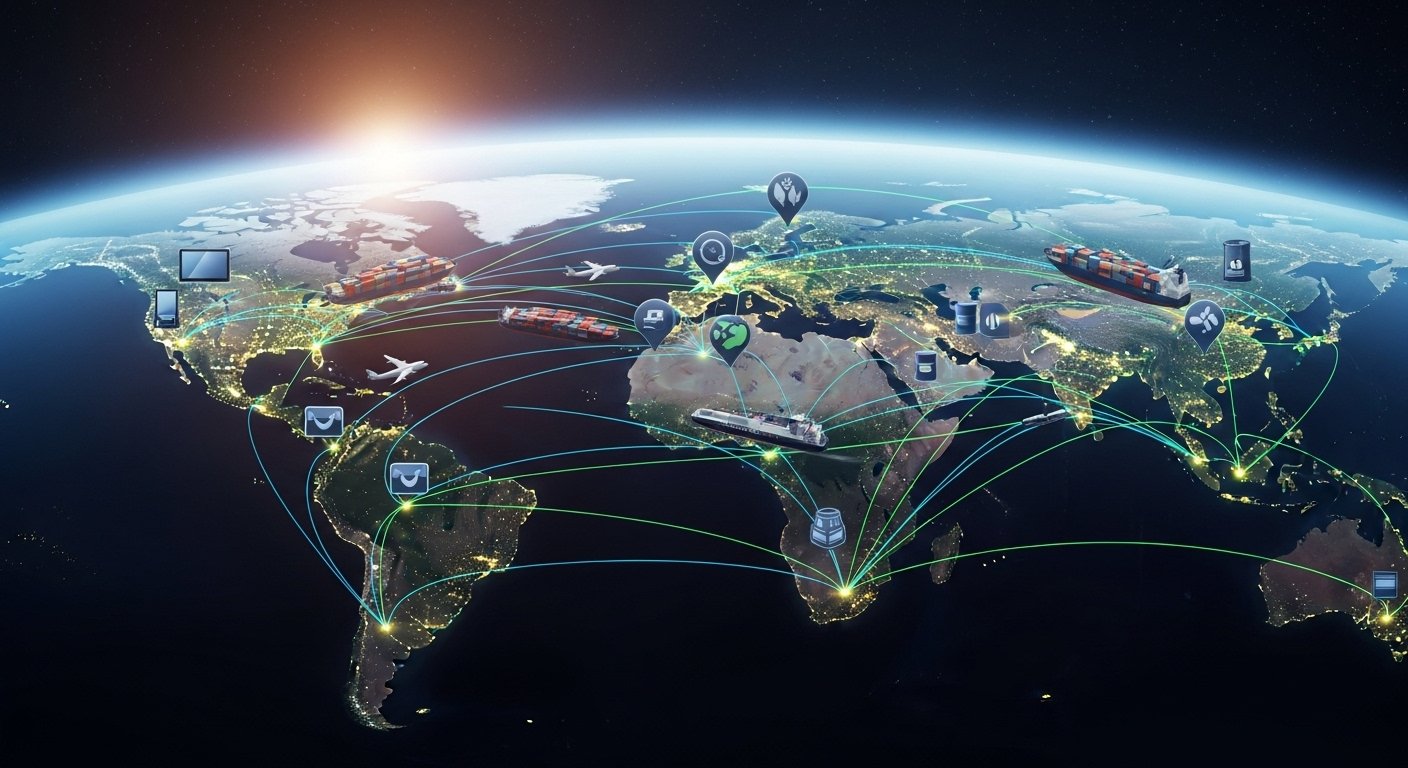
Emerging ports are rapidly developing maritime hubs that are reshaping global shipping routes, improving supply chain resilience, and unlocking new economic opportunities. Driven by infrastructure investment, strategic geography, and technological innovation, these ports are becoming vital alternatives to traditional trade gateways. In 2026, regions such as Southeast Asia, the Middle East, Africa, and South America are leading this growth, with ports like Duqm, Lekki, and Chancay gaining global attention. As trade patterns evolve, these emerging hubs are set to play a central role in the future of global commerce.
Introduction to Top Ports to Watch
Global shipping is undergoing a significant transformation. While established ports such as Singapore, Rotterdam, and Shanghai continue to dominate, a new generation of maritime hubs is rising to prominence. These emerging ports are strategically positioned, technologically advanced, and increasingly critical to global trade networks.
In 2026, the spotlight is shifting toward ports that were once considered secondary players. These hubs are attracting investment, expanding capacity, and offering alternatives to congested traditional gateways. For shipping companies, logistics providers, and global traders, understanding these ports is essential for staying competitive in a rapidly evolving landscape.
Why Emerging Ports Are Critical for Global Shipping
Emerging ports play a crucial role in modern supply chains. As global trade volumes increase and supply chains become more complex, reliance on a handful of mega ports creates vulnerabilities. Disruptions such as port congestion, geopolitical tensions, or natural disasters can have cascading effects.
New and expanding ports help address these challenges by:
- Diversifying global trade routes
- Reducing congestion at major hubs
- Improving regional connectivity
- Supporting economic development in emerging markets
They also enable more flexible shipping strategies. For example, companies can reroute cargo through alternative ports to avoid delays or reduce costs. This adaptability is increasingly important in a world shaped by uncertainty and rapid change.
Factors Driving Port Growth and Investment
Several key factors are fueling the rise of emerging ports:
Strategic Location
Ports located near major shipping lanes or growing economic regions have a natural advantage. Proximity to key markets reduces transit times and costs, making these ports attractive to global carriers.
Government Support and Policy
Many governments are investing heavily in port infrastructure as part of broader economic development strategies. Initiatives such as free trade zones, tax incentives, and public private partnerships are accelerating growth.
Infrastructure Development
Modern ports require deep-water access, advanced cargo handling facilities, and efficient hinterland connections. Investment in roads, railways, and inland logistics hubs is essential for long-term success.
Digital Transformation
Technology is a major differentiator. Ports that adopt automation, data analytics, and smart systems can improve efficiency, reduce turnaround times, and enhance competitiveness.
For deeper insights into global maritime trends and port performance, resources such as the UNCTAD Transport and Trade Logistics page provide valuable data and analysis.
Top Emerging Ports to Watch in 2026
Port of Duqm, Oman
Located along the Arabian Sea, Duqm is rapidly becoming a key logistics hub in the Middle East. Its strategic position outside the Strait of Hormuz allows ships to bypass congested and politically sensitive routes. With significant investment in industrial zones and infrastructure, Duqm is attracting global attention.
Lekki Deep Sea Port, Nigeria
Lekki represents a major milestone for West Africa. As one of the region’s most advanced ports, it is designed to handle large container vessels and reduce reliance on older, congested facilities. Lekki is expected to boost Nigeria’s trade capacity and serve as a gateway for the broader African market.
Port of Chancay, Peru
Backed by international investment, Chancay is poised to become a major hub on South America’s Pacific coast. It offers a direct link between Latin America and Asia, reducing shipping times and enhancing trade efficiency.
Patimban Port, Indonesia
Developed to complement the Port of Tanjung Priok, Patimban is a key part of Indonesia’s strategy to improve logistics and support its manufacturing sector. Its modern facilities and strategic location make it a port to watch in Southeast Asia.
Lamu Port, Kenya
Part of the LAPSSET Corridor project, Lamu is designed to connect East Africa with global markets. It has the potential to transform regional trade by linking landlocked countries to the sea.
How Emerging Ports Impact Global Trade Routes
The rise of new ports is reshaping traditional shipping patterns. Instead of relying solely on established hubs, shipping lines are increasingly incorporating emerging ports into their networks.
This shift has several implications:
- Shorter transit times for certain routes
- Reduced congestion at major ports
- Greater route flexibility for carriers
- Enhanced regional trade integration
For example, the development of ports along Africa’s coastline is enabling more direct trade routes between Africa and Asia, bypassing traditional transhipment hubs.
Travel and trade are closely linked, and understanding regional dynamics can also enhance broader perspectives. Exploring global destinations through platforms like travel inspiration guides can provide useful context for how infrastructure shapes connectivity and movement.
Challenges Facing New Maritime Hubs
Despite their potential, emerging ports face several challenges:
High Capital Requirements
Building and maintaining modern port infrastructure requires significant investment. Securing funding and ensuring long-term financial sustainability can be difficult.
Competition from Established Ports
Established ports benefit from existing networks, economies of scale, and strong reputations. Emerging ports must work hard to attract shipping lines and cargo volumes.
Regulatory and Political Risks
Changes in government policy, regulatory frameworks, or political stability can impact port development and operations.
Environmental Concerns
Ports must balance growth with sustainability. Issues such as emissions, habitat disruption, and climate resilience are becoming increasingly important.
Workforce and Skills Development
Operating advanced port facilities requires a skilled workforce. Training and education are essential to support long-term success.
Technological Innovations in Port Operations
Technology is playing a central role in the rise of emerging ports. Innovations are helping these hubs compete with established players by improving efficiency and reliability.
Automation and Robotics
Automated cranes, guided vehicles, and smart warehouses are reducing labour costs and increasing operational speed.
Digital Port Platforms
Integrated systems enable real-time tracking of cargo, improved communication between stakeholders, and better decision-making.
Artificial Intelligence and Data Analytics
AI is being used to optimise vessel scheduling, predict demand, and enhance resource allocation.
Green Technologies
Sustainability is a growing focus. Ports are adopting renewable energy, electrified equipment, and cleaner fuels to reduce their environmental impact.
Lifestyle trends also influence how industries evolve. Insights from modern lifestyle perspectives highlight the increasing importance of sustainability and innovation across sectors, including maritime logistics.
Conclusion
Emerging ports are redefining the future of global shipping and trade. By offering new routes, advanced infrastructure, and innovative technologies, they are helping to create a more resilient and efficient global supply chain.
As we move further into 2026, these ports will continue to gain importance. Businesses that understand and adapt to this changing landscape will be better positioned to navigate the complexities of international trade.
Whether it is Duqm in the Middle East, Lekki in Africa, or Chancay in South America, the next generation of maritime hubs is already shaping the global economy.
Frequently Asked Questions
What makes a port an emerging hub for global shipping?
An emerging port is typically characterised by rapid development, strategic location, and increasing investment. These ports often feature modern infrastructure, growing cargo volumes, and strong government support. They are positioned to become key players in regional or global trade networks.
Which regions are seeing the fastest growth in maritime ports?
The fastest growth is currently occurring in:
- Southeast Asia
- The Middle East
- Africa
- South America
These regions are benefiting from increased trade activity, infrastructure investment, and favourable geographic positioning.
How do emerging ports impact global trade routes?
Emerging ports create new pathways for trade, reducing reliance on traditional hubs. They enable more direct shipping routes, lower transportation costs, and improved supply chain resilience. As a result, global trade becomes more efficient and adaptable to changing conditions.