
 By admin@handinhandadventures.com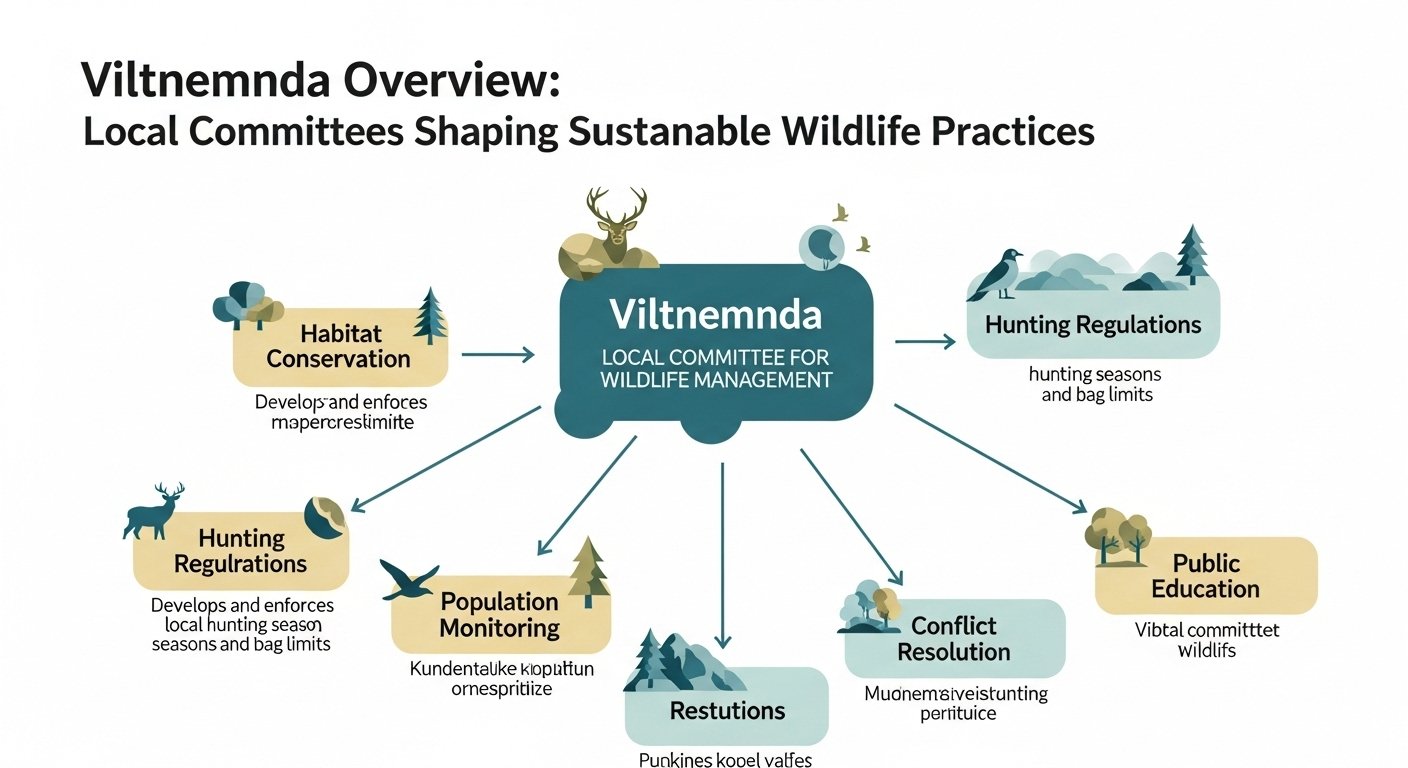
Sustainable wildlife management relies on local knowledge, responsible governance, and community involvement. Viltnemnda, or wildlife committees, play a vital role in achieving these goals by overseeing wildlife practices at the local level. Through balanced decision-making and collaboration, these committees help protect ecosystems while supporting responsible human activity.
What Is Viltnemnda?
Definition and Purpose
Viltnemnda refers to local wildlife management committees commonly found in Nordic countries, particularly Norway. Their primary purpose is to manage wildlife populations responsibly within their municipalities.
A Link Between Policy and Practice
These committees act as a bridge between national wildlife regulations and local implementation, ensuring policies align with regional ecological conditions.
Role of Viltnemnda in Wildlife Management
Regulating Hunting and Conservation
Viltnemnda oversees hunting permits, quotas, and seasons, ensuring that wildlife populations remain balanced and sustainable.
Protecting Biodiversity
By monitoring species populations and habitats, the committees contribute to preserving biodiversity and maintaining healthy ecosystems.
Local Knowledge and Community Involvement
Decisions Based on Regional Conditions
Members of Viltnemnda use local data, field observations, and community input to guide their decisions, making management more effective.
Engaging Stakeholders
Farmers, hunters, conservationists, and residents often interact with Viltnemnda, creating a collaborative approach to wildlife stewardship.
Supporting Sustainable Wildlife Practices
Balancing Human and Wildlife Interests
Viltnemnda works to reduce conflicts between wildlife and human activities, such as agriculture or urban development.
Promoting Ethical Hunting
Committees emphasize ethical hunting practices, education, and compliance with wildlife laws.
Challenges Faced by Viltnemnda
Changing Environmental Conditions
Climate change and habitat loss create new challenges for wildlife management, requiring adaptive strategies.
Limited Resources
Many committees operate with limited funding and rely heavily on volunteer or part-time members.
Impact on Local Ecosystems
Long-Term Sustainability
By focusing on sustainable practices, Viltnemnda helps ensure wildlife populations thrive for future generations.
Improved Wildlife Monitoring
Ongoing data collection and reporting contribute to better long-term planning and conservation efforts.
Conclusion
Viltnemnda plays a crucial role in shaping sustainable wildlife practices through local governance, community engagement, and responsible decision-making. By balancing conservation with human needs, these committees help protect ecosystems while fostering coexistence. Their work highlights the importance of local action in achieving broader environmental sustainability goals.