
 By admin@handinhandadventures.com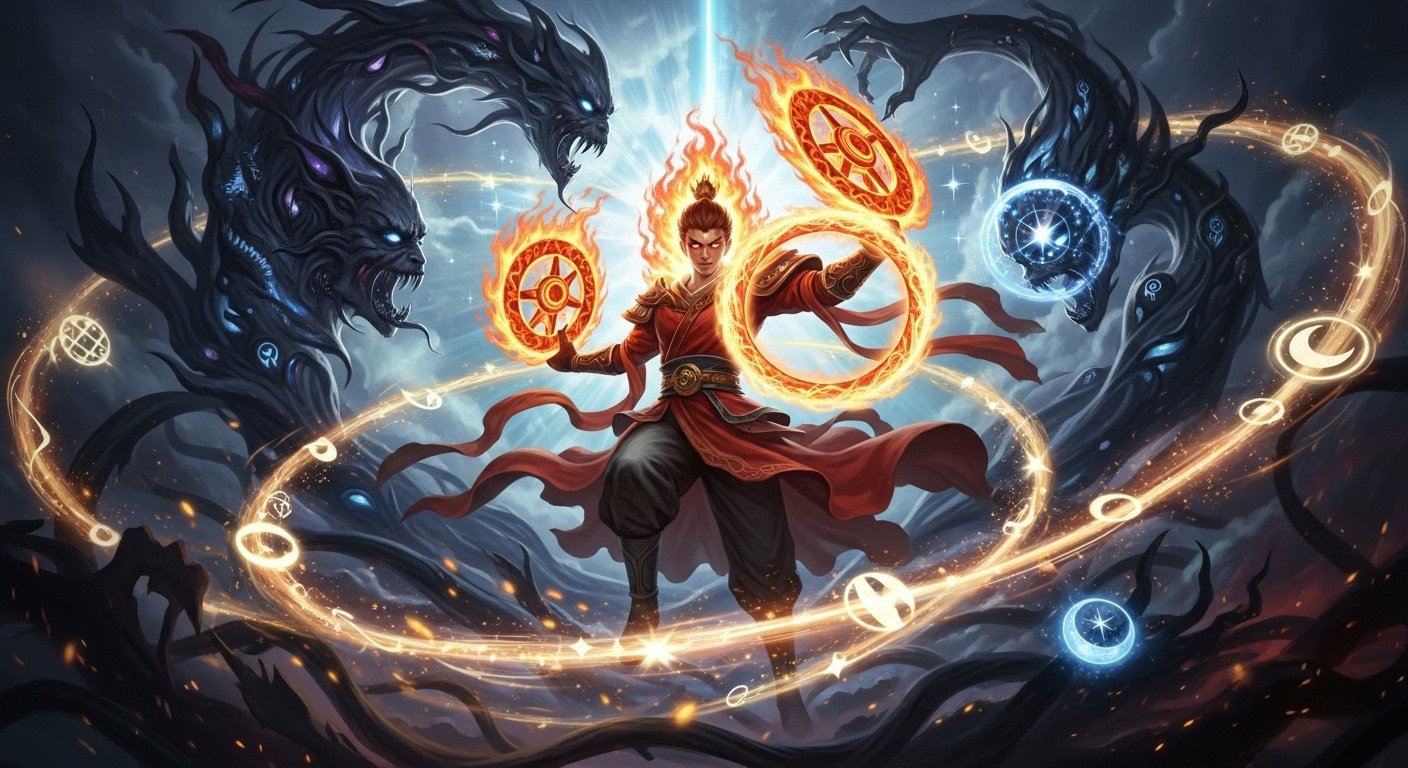
Nezha is one of the most iconic figures in Chinese mythology—a powerful, rebellious hero whose story blends divine destiny, personal sacrifice, and transformation. Known for his fiery temperament and supernatural abilities, Nezha’s legend has endured for centuries, inspiring literature, opera, film, and modern animation. His tale explores timeless themes of identity, fate, and redemption.
Who Is Nezha?
A Legendary Figure in Chinese Mythology
Nezha is a mythological deity and hero best known from classical Chinese texts such as Fengshen Yanyi (Investiture of the Gods). He is often portrayed as a youthful warrior with immense power and a defiant spirit.
Symbol of Rebellion and Justice
Unlike traditional obedient heroes, Nezha challenges authority and destiny. His story resonates as one of resistance against unjust power and the search for self-determination.
The Birth of Nezha
A Supernatural and Fearful Beginning
Nezha’s birth was anything but ordinary. According to legend, his mother, Lady Yin, carried him for three years and six months before giving birth to a flesh ball. When the ball split open, Nezha emerged as a fully formed child, shocking those around him.
A Child of Prophecy
From birth, Nezha was marked by destiny. His unusual arrival signaled both great power and great danger, leading others to fear what he might become.
Nezha’s Powers and Weapons
Divine Abilities
Nezha possesses extraordinary strength, speed, and magical abilities. His divine nature allows him to battle demons, dragons, and corrupt gods.
Iconic Weapons and Artifacts
Nezha is commonly depicted with powerful tools, including:
-
Fire-tipped spear for combat
-
Wind Fire Wheels that allow him to fly
-
Universe Ring used for attack and defense
-
Red Armillary Sash that restrains enemies
These weapons symbolize his control over fire, motion, and cosmic power.
Conflict With the Dragon Kings
A Clash of Power and Authority
One of the most famous episodes in Nezha’s legend involves his conflict with the Dragon Kings of the Four Seas. After killing the son of the East Sea Dragon King during a confrontation, Nezha brings chaos upon his family and community.
A Sacrifice for Peace
To protect his parents from divine punishment, Nezha sacrifices himself—returning his flesh to his mother and bones to his father. This act marks a turning point in his story and solidifies his role as a tragic yet heroic figure.
Rebirth and Transformation
Resurrected by Lotus
Nezha is later resurrected by his mentor, Taiyi Zhenren, who rebuilds his body from lotus roots. This rebirth frees Nezha from karmic bonds and grants him even greater power.
From Fear to Enlightenment
Through rebirth, Nezha transforms from a feared child into a disciplined warrior, learning control, responsibility, and purpose.
Nezha in Modern Culture
Films, Animation, and Media
Nezha remains a popular figure in modern storytelling, appearing in animated films, television series, comics, and video games. Contemporary adaptations often emphasize themes of self-acceptance and individuality.
A Hero for New Generations
Modern portrayals reframe Nezha as a symbol of personal freedom—someone who defies labels and chooses his own path despite expectations.
Themes and Symbolism in Nezha’s Story
Destiny vs. Free Will
Nezha’s legend explores whether fate defines a person or if one can rise above it through choice and sacrifice.
Power and Responsibility
His story shows that power without control leads to destruction, but power guided by purpose can protect and inspire.
Conclusion
Nezha stands as a timeless mythic hero born from fear, power, and destiny. His journey—from a feared child to a reborn warrior—captures the complexity of growth, sacrifice, and self-discovery. Across centuries and cultures, Nezha’s legend continues to inspire as a powerful reminder that true heroism comes from understanding oneself and choosing one’s own destiny.