
 By admin@handinhandadventures.com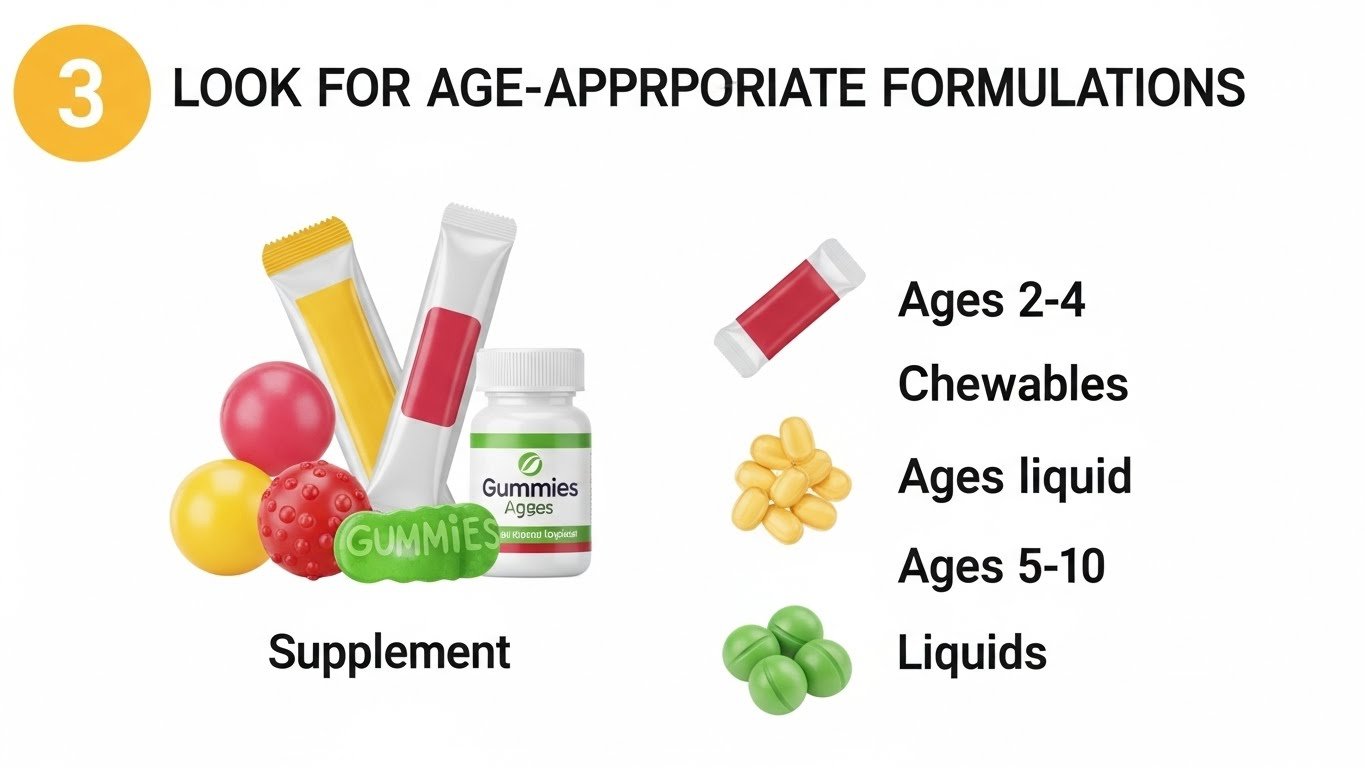
Choosing the right dietary supplements or children’s vitamins can feel overwhelming. With so many products on the market, it’s important to know what truly supports health and what’s simply clever marketing. This guide will help you make informed, safe, and effective choices for both adults and children.
Understand Your (or Your Child’s) Nutritional Needs
Assess Diet First
Before buying any supplement, look at daily eating habits. A balanced diet with fruits, vegetables, whole grains, proteins, and healthy fats often provides most essential nutrients.
Identify Gaps or Deficiencies
Supplements are most helpful when there is a clear need, such as:
-
Limited diets or picky eating (common in children)
-
Food allergies or intolerances
-
Medical conditions affecting nutrient absorption
-
Increased needs during growth, pregnancy, or illness
Consulting a healthcare professional can help confirm whether supplementation is necessary.
Know the Different Types of Supplements
Multivitamins
These provide a combination of vitamins and minerals and are often used as a general nutritional safety net.
Single-Nutrient Supplements
Examples include vitamin D, iron, calcium, or omega-3. These are best used when a specific deficiency is identified.
Children’s-Specific Formulas
Children’s vitamins are designed with age-appropriate dosages and forms (gummies, liquids, chewables) to support growth and development.
Check Age-Appropriate Dosages
Follow Recommended Daily Allowances (RDA)
Children and adults require different nutrient amounts. Too much of certain vitamins—especially fat-soluble ones like A, D, E, and K—can be harmful.
Avoid Adult Supplements for Children
Never give children supplements formulated for adults unless advised by a healthcare professional.
Read Labels Carefully
Look at Active Ingredients
Ensure the supplement contains necessary nutrients in effective but safe amounts.
Watch for Added Sugars and Artificial Additives
Many children’s vitamins contain added sugars, colors, or flavorings. Choose products with minimal additives whenever possible.
Check Serving Size
Some supplements require multiple gummies or tablets per serving, which can increase sugar intake or lead to overdosing if not monitored.
Choose High-Quality and Trusted Brands
Look for Third-Party Testing
Reliable supplements are often tested by independent organizations for purity, potency, and safety.
Check Manufacturing Standards
Look for labels such as “GMP Certified” (Good Manufacturing Practices), which indicate quality control.
Consider Form and Taste (Especially for Children)
Gummies vs. Liquids vs. Tablets
-
Gummies: Easy to take but often contain sugar
-
Liquids: Good for young children, adjustable dosage
-
Chewables/Tablets: Less sugar, better for older children
Choose a form your child will take consistently without resistance.
Be Cautious of Health Claims
Avoid “Miracle” Promises
Supplements cannot replace a healthy diet or cure diseases. Be wary of exaggerated claims like “boosts IQ” or “prevents all illnesses.”
Supplements Are Support, Not Medicine
They are meant to complement nutrition, not replace medical treatment or professional advice.
Consult a Healthcare Professional
When to Ask for Advice
-
If your child has a medical condition
-
If your child is taking medications
-
If you’re unsure about dosage or necessity
A pediatrician, doctor, or registered dietitian can help tailor supplement choices safely.
Store and Use Supplements Safely
Keep Out of Children’s Reach
Gummy vitamins can look like candy, increasing the risk of accidental overconsumption.
Follow Storage Instructions
Heat, light, and moisture can reduce effectiveness or safety.
Final Thoughts
Choosing dietary supplements or children’s vitamins should be a thoughtful decision based on real nutritional needs, quality ingredients, and professional guidance. When used correctly, supplements can support health—but the foundation should always be a balanced diet and healthy lifestyle.