
 By admin@handinhandadventures.com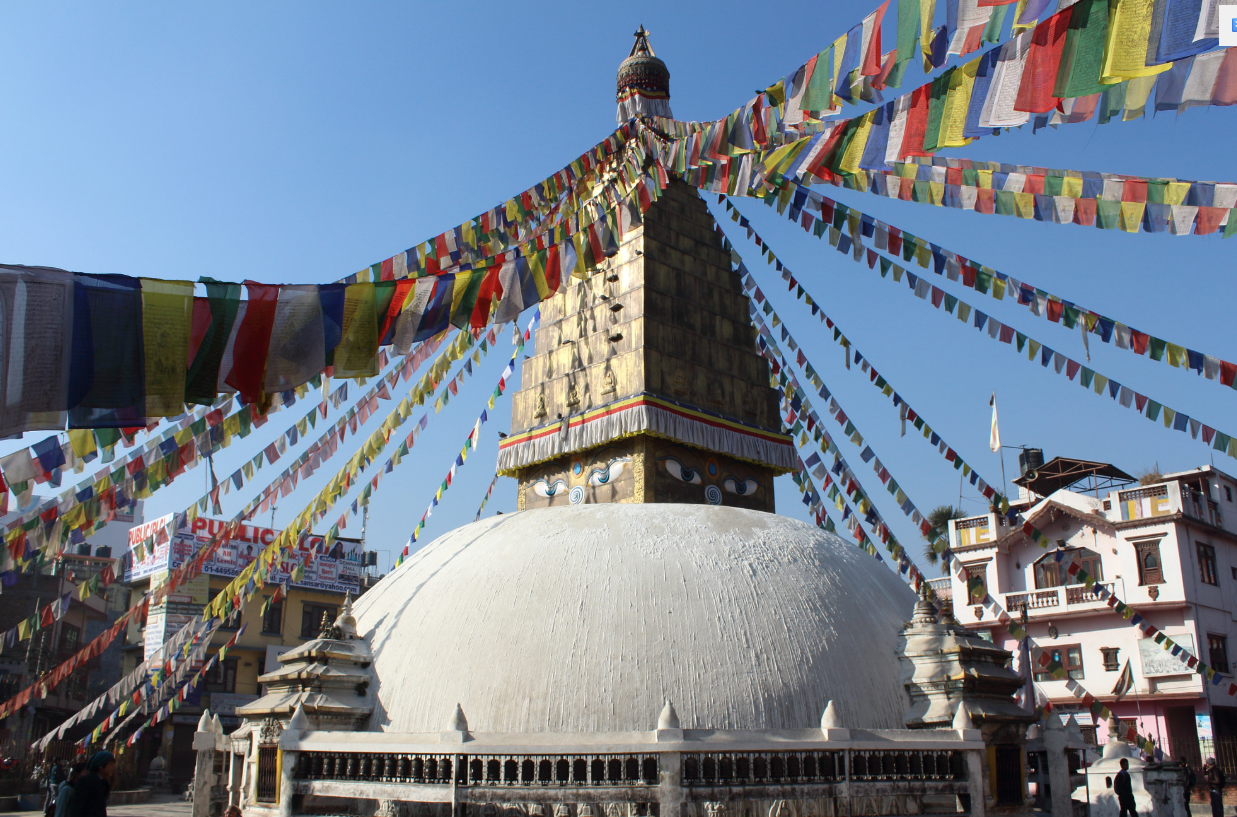
A Nepal Bhutan photography tour is not about rushing from one viewpoint to another or collecting images quickly. It is about slowing down and learning how to see. These two Himalayan countries offer something rare for photographers. They combine dramatic mountain landscapes with deeply rooted spiritual life and living traditions that have not been shaped for tourism.
Photography in Nepal and Bhutan is as much about patience as it is about skill. Light changes quickly, people move slowly, and moments appear when you least expect them. This journey is not only about capturing images, but also about understanding the places and the people behind the lens.
Why Nepal and Bhutan Are Perfect for Photography
Nepal and Bhutan sit side by side in the Himalayas, yet they feel very different. Nepal is open, vibrant, and full of movement. Bhutan is quiet, structured, and deeply spiritual. Together, they create a balanced photography experience.
Nepal offers variety. In a single day, you can photograph busy streets, ancient temples, quiet monasteries, and distant snow peaks. Bhutan offers focus. Life moves at a slower pace, and traditions remain carefully protected. Photography there feels intimate and thoughtful.
For photographers, this contrast is powerful. One country teaches you how to react quickly. The other teaches you how to wait.
The main Highlights of Photography:
- Active scenes in Nepal: Grab busy markets, festivals, and street life.
- The beauty of architecture: The ancient temple and monasteries in the two countries offer beautiful compositions.
- Magnificent scenery: Snowy mountains, rivers and valleys provide endless scenery.
- Authenticate Bhutanese culture: Capture the monks, locals, and traditional events in a more regulated, peaceful scene.
- Lesson of patience and timing: Nepal teaches about the ability to act fast; Bhutan teaches about the ability to wait and see the right time.
Photography Experience in Nepal
Nepal is a country of layers. Old and new exist side by side. Sacred and everyday life mix naturally. This makes Nepal especially rewarding for cultural and street photography.
Kathmandu Valley is an endless source of subject to photographers. Ancient temples are located in the middle of thronging markets. Narrow streets have prayer flags swinging over them. Sadhus are sitting and the traffic passes by them. Light in the valley is also dynamic and varies throughout the day producing different moods of one location.
Special times are especially early mornings. When the sun is rising, temples are full of worshippers. Old brick walls are caressed by soft light, smoke of incense is in the air, and bells ring somewhere in the background. These are natural and unposed moments.
Beyond the cities, Nepal spills out into broad scenery. There are powerful compositions of hill villages, terraced fields, rivers, and other mountains. The atmosphere is powerful even at the times when peaks are covered with clouds.
In Nepal, photography is never staged or cleaned up. It is raw, emotional and replete with visual and cultural extremes. This is what makes it honest.
Himalayan Landscapes and Light
Mountains play a major role in a Nepal Bhutan tour. The Himalayas are not always visible, but their presence is always felt.
In Nepal, sunrise and sunset offer dramatic light. When the clouds lift, peaks appear suddenly, glowing in soft gold or cold blue tones. These moments do not last long, which teaches photographers to be ready and patient at the same time.
In Bhutan, the mountains are more distant and gentle. Valleys are deep and calm. There are forests on hills, monasteries on rivers, and none of them are very loud. In Bhutan, light is so detached and well balanced and therefore best suited to landscape and architectural photography.
Mountain photography here does not mean just sharp peaks. It is about atmosphere, scale, and silence.
Monasteries as Living Spaces
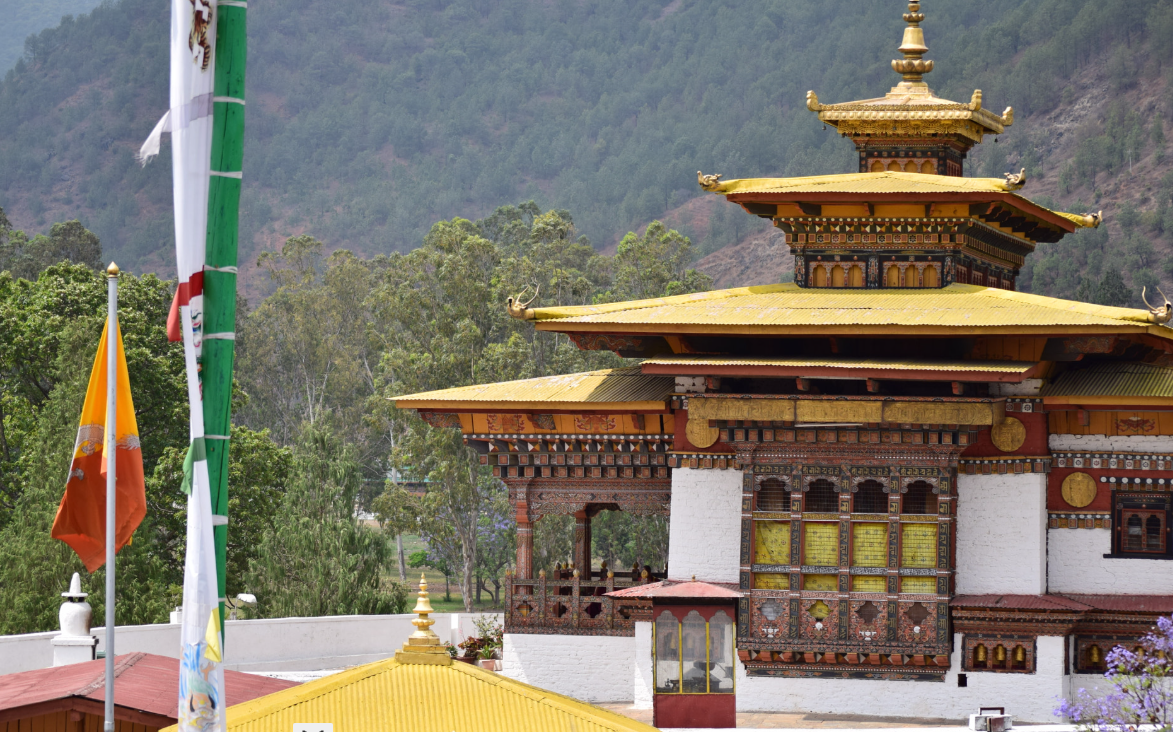
Monasteries are central to photography in both Nepal and Bhutan, but they are not museums. They are living places of worship.
Monasteries in Nepal are usually located near the villages or the town. The monks are wandering and kids are running around, and day to day life goes on, surrounding sacred areas. This presents the opportunity of natural storytelling to photographers.
In Bhutan, monasteries feel more protected and ceremonial. Places like cliffside temples and fortress monasteries offer strong compositions. Prayer wheels, murals, and monks in traditional robes add depth to images.
Photographers must approach monasteries with respect. Asking permission, observing quietly, and understanding when not to shoot is part of the experience. Often, the best images come when you spend time without taking photos at all.
Cultural Photography and Human Connection
Culture is the heart of this photography tour. In both countries, traditions are not performed for cameras. They are part of daily life.
In Nepal, cultural photography is often done in the state of dynamism. Street rites, cremation, and prayers are very potent activities in festivals, and they occur daily. These are emotional and even intense scenes. Photographers need to be considerate and conscious of the surrounding.
In Bhutan, culture feels more contained. Traditional dress is worn daily. Architecture follows strict rules. Festivals are deeply spiritual rather than showy. Photography here feels slower and more thoughtful.
People in both countries are generally open to being photographed, especially when approached politely. A smile, a greeting, and patience go a long way. Many photographers say their best portraits came after conversations, not quick shots.
Behind the Lens: What Makes This Tour Special
A Nepal Bhutan photography tour is not just about locations. It is about time and rhythm.
You are not rushed from place to place. There is time to return to the same spot at different hours. There is time to wait for light, weather, or human activity. This allows photographers to move beyond surface images.
The journey also teaches flexibility. Weather changes. Festivals usually follow annual schedules, but exact timing may vary. Weather can also change rapidly, hiding mountains one day and revealing them the next. Learning to accept this is part of the photographic process.
Behind the lens, photographers often find themselves observing more and shooting less. This leads to stronger images and deeper understanding.
Travel Pace and Daily Flow
Days on this tour usually begin early. Morning light is soft and calm, especially in monasteries and villages. Midday is often used for travel, rest, or reviewing images. Late afternoon brings warm light and quieter moments.
Evenings are relaxed. Photographers often gather to share experiences rather than images. Conversations focus on moments, not equipment.
This slower pace helps reduce fatigue and allows creativity to develop naturally.
Practical Photography Challenges
Photographing in Nepal and Bhutan is a very rewarding experience that comes with a lot of challenges which must be prepared. Remote areas, dust, changing light, and limited power supply can make photography challenging. Some locations are at moderate altitude, but higher regions like Upper Mustang require acclimatization.
It is recommended to carry only essential, reliable equipment. Lightweight gear is easier to manage, but heavier cameras are fine if carried carefully. To preserve the cameras against dust, cold and moisture, this must be taken care in extreme elevations. Charging of batteries can be very scarce when not in the large cities, thus be prepared and have spares. It should also back up memory cards frequently to prevent loss of good pictures.
Flexibility is key. The most good shots are usually those that come from change of plans. It will also require patience, observational care, and physical strength because some of the perspectives or religious locations can be achieved by walking or climbing long distances.
Key Challenges and Tips:
- Travel light, carry only essentials; plain constructions can be more effective than complex gear.
- Keep cameras safe against dust, moisture, and cold, particularly at high altitude.
- Prepare to charge batteries and bring extra batteries.
- Regularly back up memory cards.
- Be adaptable, because the most perfect shots are usually where a plan is shifted.
- Monitor fluctuating light and make rapid changes to camera settings.
- When planning photography, consider physical challenges like long walks and altitude.
Ethical and Respectful Photography
Nepal and Bhutan photography involves cultural sensitivity. Not all the moments should be photographed. The religious ceremonies, the intimate ceremonies, and the individual mourning are to be respected.
Photography is often restricted in certain areas of Bhutanese temples. Always check locally before photographing inside sacred spaces. The ritual and cremation sites must be handled with care in Nepal.
Respect builds trust. With trust, images get better and experiences meaningful.
Who This Photography Tour Is For
This is a perfect tour that suits the photographer who appreciates experience rather than quantity. It is apposite to all beginners wishing to learn how to really see and also to those with experience in photography who desire to get deep and making meaningful shots.
It is not suitable to those who like traveling fast or under ideal conditions. Instead, it is for those who enjoy waiting, observing, and connecting with the environment.
It is curiosity, patience and humility that pay off more than technical mastery in a tour of Nepal and Bhutan photography.
Key Points:
- Best suited to the photographer who puts more emphasis on experience than quantity of photographs
- Appropriate to those just starting out and wanting to know how to observe
- Excellent when a photographer wants to go deep and explore the culture
- Best when one is patient, observant, and wants to identify with people and places
- Praises curiosity and modesty over technical ability
Final Thoughts
A Nepal Bhutan photography tour is not just a journey across two countries. It is an adventure into lifestyles that are still very much rooted in tradition, spirituality and the natural world.
Photographers find that some of the strongest images are not necessarily those that were strategically planned behind the lens. They are those that come silently, in still moments, in patience and respect.
Nepal values fast action, whereas Bhutan practices patience. They both teach us how to really see and feel moments.