
 By admin@handinhandadventures.com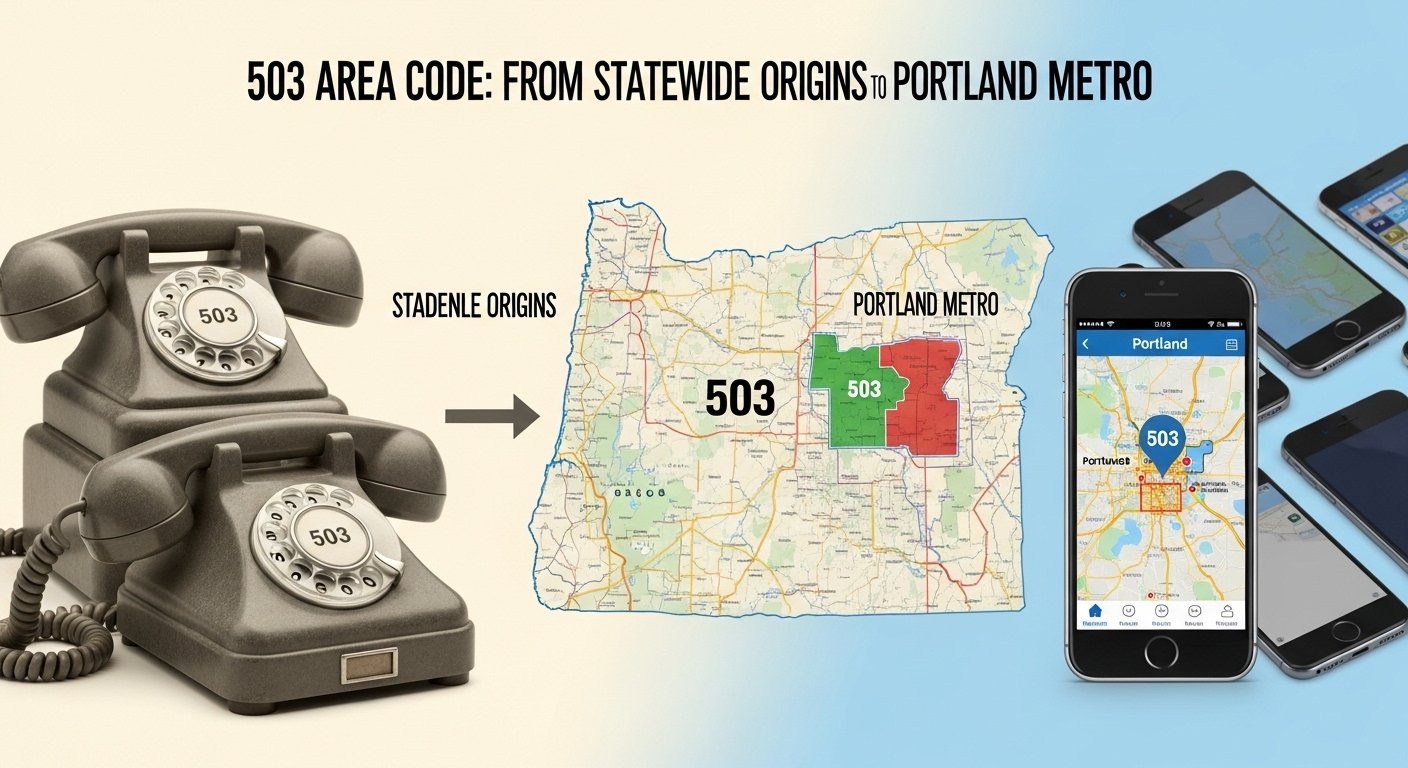
The 503 area code is more than just a series of numbers; it’s a symbol of connection for millions in Oregon. From the stunning landscapes of the Pacific Northwest to the bustling streets of Portland, this area code has woven itself into the daily lives of residents and businesses alike. But how did it come to define such an iconic region? Understanding its roots reveals a fascinating journey that spans decades. Join us as we explore what makes the 503 area code significant, from its historical origins to its impact today.
History of the 503 Area Code
The 503 area code made its debut in 1947. It was one of the original area codes established during the North American Numbering Plan. At that time, it primarily served the entire state of Oregon.
As Portland began to grow, so did the significance of this code. The urban sprawl in and around Portland led to a concentration of businesses and residents within this framework.
In 1995, a new area code emerged, leading to some geographical shifts. This left 503 as mainly associated with metropolitan areas while neighboring regions received their own identifiers.
Throughout its evolution, the 503 area code has come to symbolize not just a region but also an identity for those who live there. Its rich history reflects changes in technology and communication patterns across decades.
Changes and Expansion of the 503 Area Code
The 503 area code has undergone significant changes since its inception. Initially assigned to the entire state of Oregon in 1947, it served as a single communication hub for residents and businesses alike.
As population growth surged, particularly in urban areas like Portland, the demand for phone numbers skyrocketed. This led to the split that created the 541 area code in 1995, covering central and eastern parts of Oregon.
Despite this division, the 503 area code remained associated with some of Oregon’s most vibrant communities. In recent years, new technologies have also influenced how we use these codes. The rise of mobile phones means many people are less tied to geographical limitations.
Still, even as telecommunication methods evolve, the legacy of the 503 persists as a symbol of local identity and connection within its boundaries.
Impact on Businesses and Residents
The 503 Area Code plays a vital role in shaping the business landscape of Oregon, particularly within the Portland metro region. Companies often leverage local area codes to establish credibility and foster trust with customers. Having a recognizable code like 503 can make a significant difference in attracting clients.
For residents, this area code represents more than just numbers; it reflects community identity. People are proud of their local ties, and dialing a familiar number fosters connections among neighbors and friends.
However, challenges arise too. As businesses grow and expand beyond Portland into nearby areas, they may face confusion over multiple area codes. This can lead to missed opportunities or miscommunication with potential clients.
Both residents and businesses must navigate the nuances of living under the 503 banner while adapting to an ever-evolving telecommunications landscape.
Advantages and Disadvantages of the 503 Area Code
The 503 Area Code boasts several advantages for its residents. Being associated with Portland, it carries a vibrant and trendy reputation. This can be beneficial for businesses seeking to attract customers who are drawn to the city’s culture and innovation.
However, there are notable disadvantages too. The area code is often overwhelmed by call volume due to its popularity. This can lead to busy signals or dropped calls during peak hours, causing frustration.
Additionally, while many find the 503 aesthetically appealing, some may view it as less practical compared to newer codes introduced in surrounding regions. For those living outside metropolitan areas but still within the same code zone, access to services might not always match expectations set by urban standards.
While these factors vary from person to person, they shape the overall experience of having a phone number within this iconic area code.
503 Area Code Beyond Portland Metro
While the 503 area code is often synonymous with Portland, its reach extends beyond the bustling city. Surrounding regions also fall under this code, bringing together a diverse population across various communities.
Cities such as Beaverton and Tigard contribute to the vibrant tapestry of the 503 area. These suburbs offer a blend of residential comfort and commercial opportunities, attracting families and businesses alike.
The scenic beauty of places like Hillsboro and Gresham adds another layer to this region’s charm. Residents enjoy easy access to nature while remaining close enough to urban amenities.
Even farther out, towns like St. Helens showcase Oregon’s rich history and culture. Each location within the 503 area has its own unique identity yet shares connectivity through this single area code.
Conclusion
The 503 Area Code has a rich history that reflects the growth and evolution of Oregon’s telecommunications landscape. From its origins serving the entire state to its current prominence in the Portland metro area, this code tells a story of change and adaptation.
As businesses continue to thrive and residents seek connectivity, understanding the implications of the 503 Area Code becomes increasingly important. The expansion efforts have allowed for more efficient communication but also brought challenges concerning resource allocation.
Though primarily associated with metropolitan culture, the reach of the 503 Area Code extends beyond urban confines. It serves as a reminder that even within an evolving digital era, local identity remains significant.
Whether you’re dialing in or receiving calls from this vibrant region, staying informed about your area code enriches your connection to Oregon’s diverse communities. Embrace what it means to be part of this unique network—where numbers tell stories far beyond mere digits.