
 By admin@handinhandadventures.com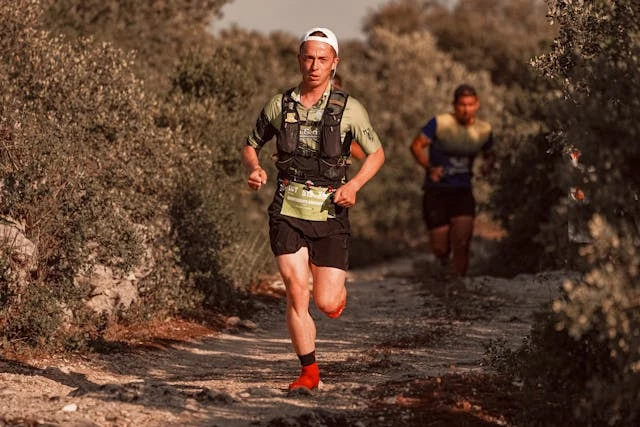
Adventure calls us outdoors, whether it is hiking through forest paths, riding across open fields, or exploring rugged terrain. The trail offers freedom, challenge, and connection with nature. Yet it also demands something from us. Our bodies need to be ready for the miles ahead, the uneven ground, and the physical effort that comes with adventure. Preparation is not about perfection. It is about building habits that help us enjoy the journey with strength and comfort.
Ignoring preparation often leads to discomfort. Sore muscles, fatigue, or even injuries can take away from the joy of the trail. For example, some riders experience back pain from horse riding, which can be linked to posture, core strength, or lack of conditioning. These challenges remind us that adventure is not only about the destination but also about how we care for ourselves along the way. Preparing your body ensures that the trail feels less like a struggle and more like an experience to savor.
Here are four ways to prepare your body for the trail so you can step into your next adventure with confidence.
1. Build Strength and Stability
Strength is the foundation of endurance. Trails often involve uneven ground, steep climbs, or long hours of movement. Without strength, the body tires quickly. Building stability in your core, legs, and back helps you stay balanced and reduces strain.
- Core exercises: Planks, bridges, and gentle twists strengthen the muscles that support your spine. A strong core improves posture and helps you handle the ups and downs of the trail.
- Leg conditioning: Squats, lunges, and step‑ups prepare your legs for climbing and descending. These movements mimic the demands of hiking or riding.
- Back support: Light resistance training for the upper and lower back helps prevent stiffness and supports better alignment.
Strength training does not have to be intense. Even 15 minutes a day of focused exercises can make a noticeable difference. The goal is not to build bulk but to create stability that carries you through long adventures.
2. Stretch and Improve Flexibility
Flexibility keeps your body moving smoothly. Trails often require bending, twisting, and reaching. Without flexibility, movements feel restricted and muscles tighten. Stretching before and after activity helps prevent discomfort and keeps your body agile.
- Dynamic warm‑ups: Arm circles, leg swings, and gentle torso rotations prepare muscles for movement.
- Targeted stretches: Focus on hips, hamstrings, shoulders, and back. These areas often carry tension during outdoor activities.
- Post‑adventure recovery: Gentle yoga or static stretches after the trail help release tightness and promote recovery.
Flexibility is about freedom of movement. When your body feels open and relaxed, the trail becomes less demanding and more enjoyable. Stretching also reduces the risk of small injuries that can interrupt your adventure.
3. Focus on Nutrition and Hydration
Fueling your body is just as important as training it. Trails demand energy, and the right nutrition keeps you moving with strength. Hydration supports endurance and prevents fatigue. Without proper fuel, even short adventures can feel draining.
- Balanced meals: Include carbohydrates for energy, protein for muscle repair, and healthy fats for sustained fuel.
- Trail snacks: Pack nuts, dried fruit, or energy bars. These are lightweight and provide quick energy when you need it.
- Hydration habits: Drink water regularly before, during, and after your adventure. Dehydration can lead to headaches, dizziness, and reduced performance.
Nutrition is preparation you carry with you. It ensures that your body has what it needs to meet the demands of the trail. Hydration, in particular, is often overlooked but makes a significant difference in how you feel during long hours outdoors.
4. Practice Recovery and Rest
Preparation is not only about what you do before the trail. It is also about how you recover afterward. Rest allows your body to rebuild and strengthen. Without recovery, muscles remain fatigued and injuries become more likely.
- Cool‑down routines: Gentle walking or stretching after activity helps your body transition from effort to rest.
- Sleep quality: Aim for consistent, restful sleep. This is when your body repairs and restores energy.
- Mindful relaxation: Activities like meditation, breathing exercises, or simply sitting quietly outdoors help calm the mind and support recovery.
Recovery is part of the adventure. It ensures that your body is ready for the next trail and that the experience remains enjoyable. Rest is not a pause in progress. It is progress itself.
Bringing It All Together
Preparing your body for the trail is about balance. Strength builds stability, flexibility creates freedom, nutrition fuels endurance, and recovery restores energy. Together, these four areas form a cycle that supports adventure. When you care for your body, the trail becomes less about struggle and more about discovery.
Adventure is not only about reaching the summit or covering miles. It is about how you feel along the way. Preparation ensures that your body can meet the challenge with confidence. It allows you to focus on the beauty of the landscape, the rhythm of your steps, and the joy of the journey.
Practical Tips for Everyday Preparation
- Start small: Even short daily routines build long‑term strength and flexibility.
- Stay consistent: Preparation is most effective when it becomes a habit.
- Listen to your body: Pay attention to signals of fatigue or discomfort and adjust accordingly.
- Enjoy the process: Preparation is part of the adventure. Treat it as an opportunity to connect with your body and nature.
These tips make preparation accessible. You do not need hours of training or complicated routines. Small, consistent actions create the foundation for enjoyable adventures.
Conclusion: Ready for the Trail
The trail is waiting, with its challenges and rewards. Preparing your body ensures that you can meet it with strength, flexibility, energy, and resilience. Whether you are hiking, riding, or exploring, these four ways of preparation help you enjoy the journey fully.
Adventure is about more than the destination. It is about the experience of moving through nature with confidence and ease. When your body is ready, the trail becomes a place of freedom, discovery, and joy. Preparation is not a burden. It is the key to unlocking the best of what the outdoors has to offer.